
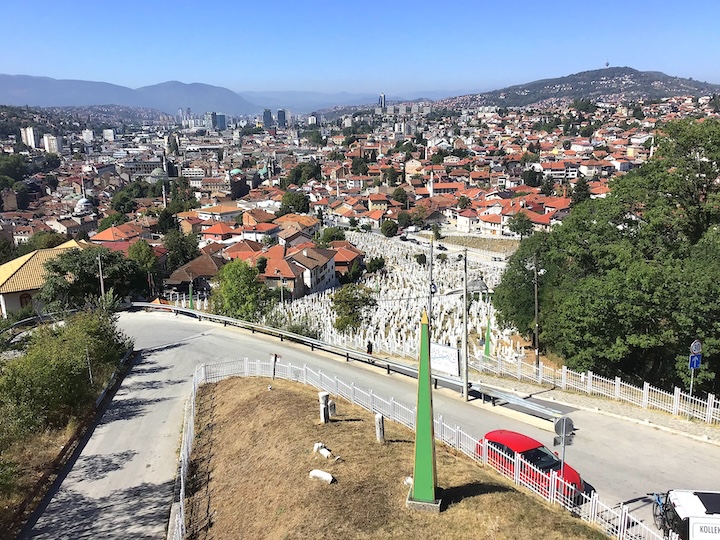
Downtown Sarajevo from Kovaci
Our Airbnb was located in east Sarajevo, which is actually due south of the historic city of Sarajevo and is in the autonomous region of Bosnia called the Republic of Skrpska and with that introduction we felt the need to read up on what’s going on in this part of the Balkans. An onion does not even begin to uncover the basic layers of human chaos theory that have affected this land over the centuries. The Balkans, as a land mass in Southeast Europe, connecting Europe to the Middle East and the rest of Asia, has been fought over by many empires for centuries– the Romans/Byzantines, Ottomans, Russians, and the Habsburg dynasty to name just a few. The region is also incredibly ethnically and religiously diverse, which made it a powderkeg that gave rise to nationalism in the 19th century, which triggered the collapse of the Habsburgs, Russians, and Austrians after WW I, eventually it even ended the British Empire. Partisan leader Josip Tito managed to unite the region as Yugoslavia up until his death in 1980 but the decade following created so much nationalism, that resulted in the atrocities of the 1990s. During the Yugoslav Wars in the 1990s, a lot of ‘history’ was dredged up, rewritten, invented, erased, debated, and weaponized in the name of ‘ethnic identity’ and subsequent claims to land and power, as well as in wider geopolitical decisions both during and since the war(s). The Wiki page on the Yugoslav Wars actually has a really good ‘Bibliography’ section with a lot of the books I’d personally recommend if you want to understand the current state of the Balkan region. My advice is just to read a lot and read widely, and Google the authors to see what kind of bias they have.
In any case, during both of our stays in Bosnia & Herzegovina -Sarajevo and Banja Luka- we inadvertently had selected Airbnb’s located in the Republic of Skrpska, one of three independent regions of Bosnia & Herzegovina.
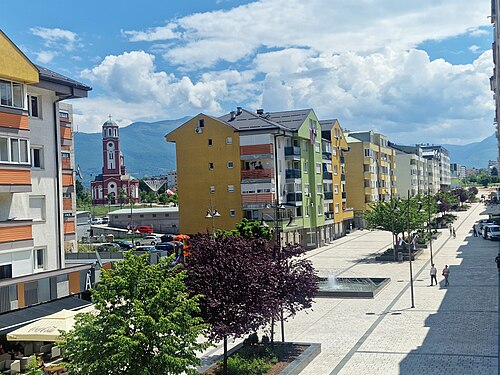
East Sarajevo city expansions
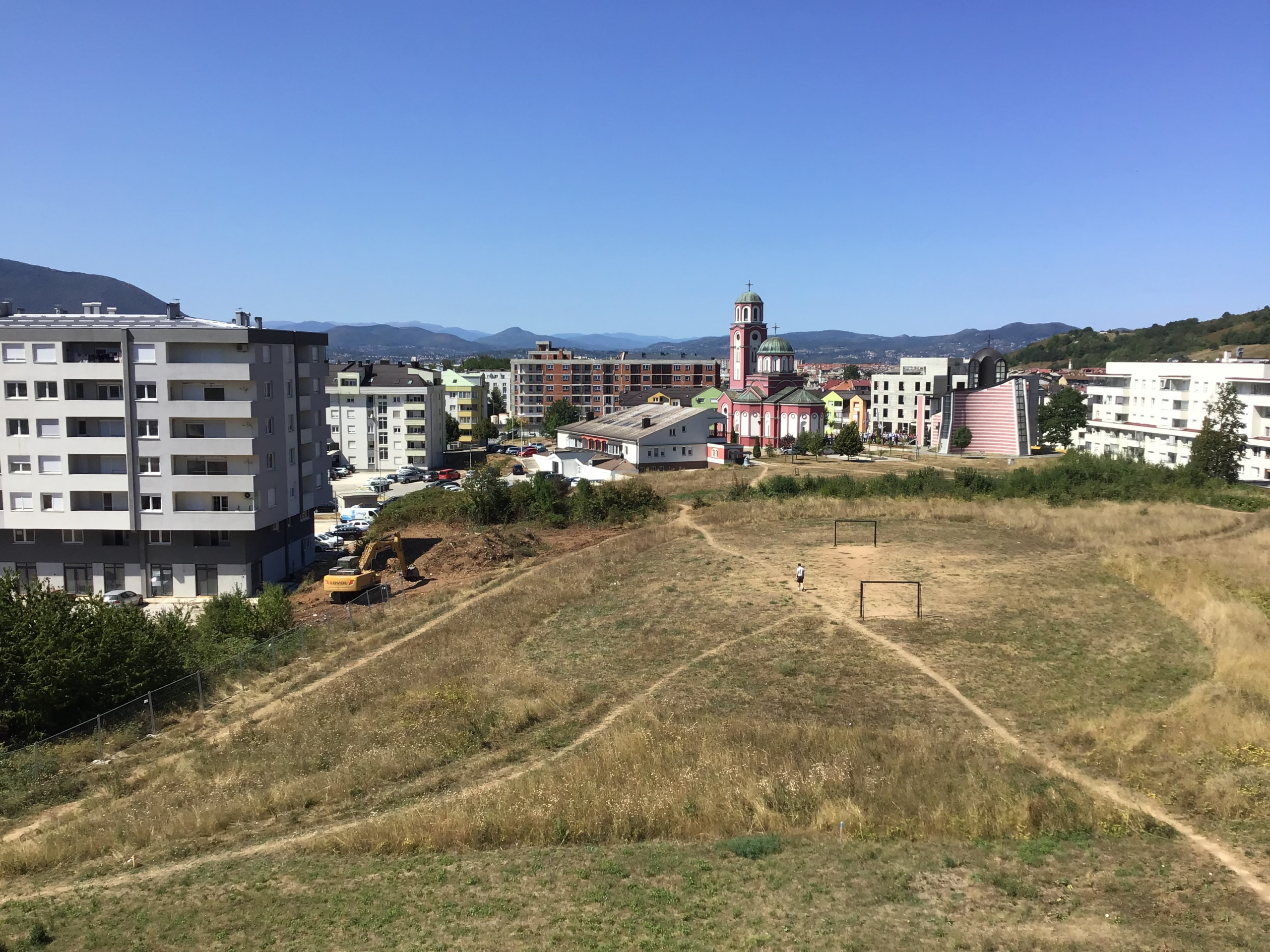
Saint Basil of Ostrog Church:The view from our balcony
East Sarajevo, a brand-new city development with lots of recently constructed apartment buildings, an open road infrastructure and many malls and strip malls, relatively close to the airport, matched our needs perfectly. Our quiet Airbnb was one apartment building away from a new mall, called Bingo, with a large supermarket, several banks and stores and The Vanilla Restaurant and Lounge where we enjoyed a huge triple Hamburger with all the trimmings and French fries and a drink upon our arrival. The charge was something like 9 BAM or $5 each.
The currency to use in Bosnia and Herzegovina is the Bosnian Convertible Mark (BAM). It is pegged to the Euro at a fixed rate of €1 to 1.95 BAM. While Euros are widely accepted in tourist areas like Mostar and Sarajevo, paying in BAM prevents poor exchange rates. Now until recently (July 2026) currency exchange and card payments could still create some difficulties in certain parts of the country. But in July the country launched a domestic instant payment system that helps overcoming previous problems with card use. We could use our cards everywhere without a problem.
• ATMs: The most cost-effective way to acquire BAM is withdrawing from ATMs in the cities (Raiffeisen, UniCredit or Nova Banka) using a card with low foreign transaction fees. Always choose the option to be charged in the local currency (“without conversion”) to avoid high dynamic currency conversion fees.
• Currency Exchange: You can exchange GBP or USD for BAM at local banks or exchange offices, but Euros typically get the most favorable rates.
Since TJ had developed a painful dental crown problem during our last week in Montenegro, she had already (via a Facebook Sarajevo Expats group) made an appointment at a highly recommended Dentistry group “Floss & Gloss” in the heart of old Sarajevo. Three visits were required over the course of two weeks to get a new crown placed and a cracked tooth repaired. We decided that taxis was going to be our easiest mode of transportation for these visits and since most taxi drivers prefer to get paid in the local currency Marks, an ATM visit was required.
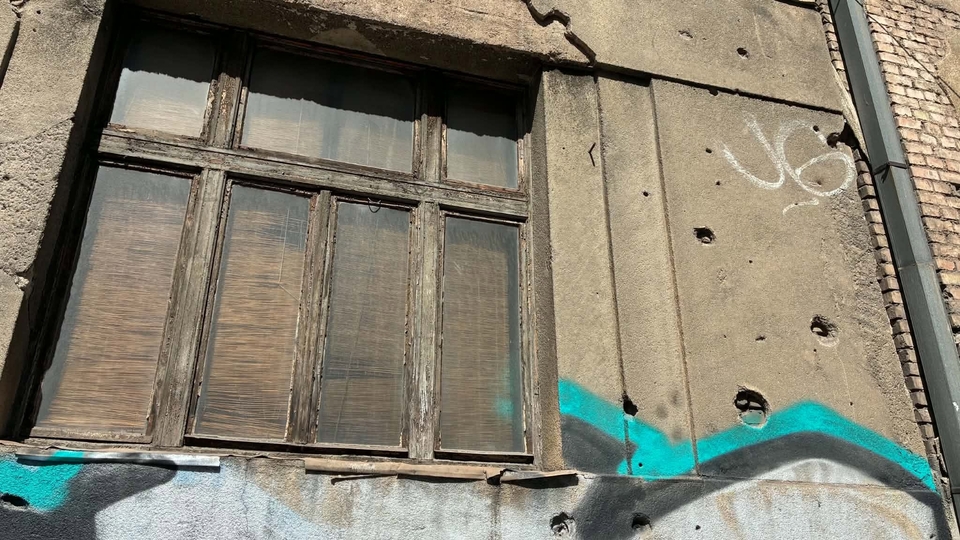
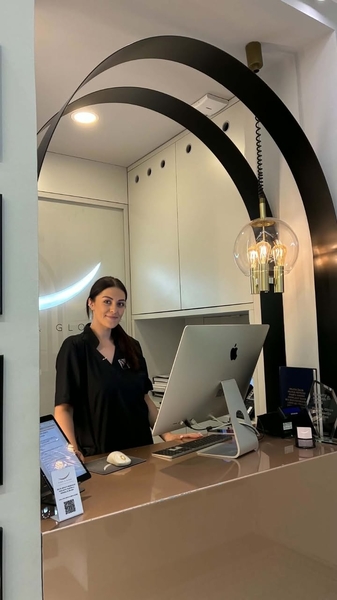
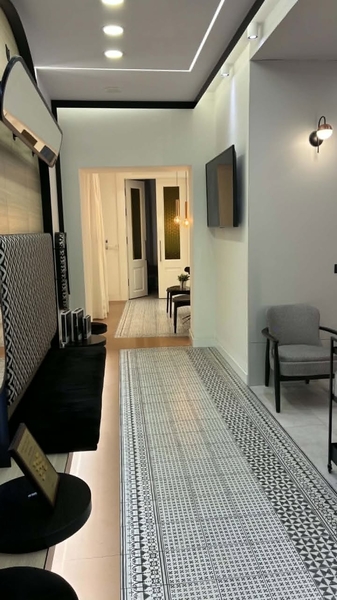
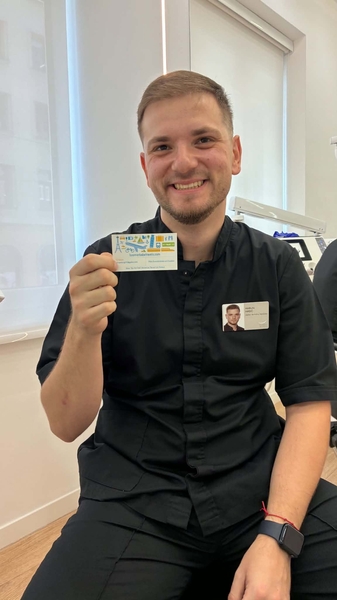
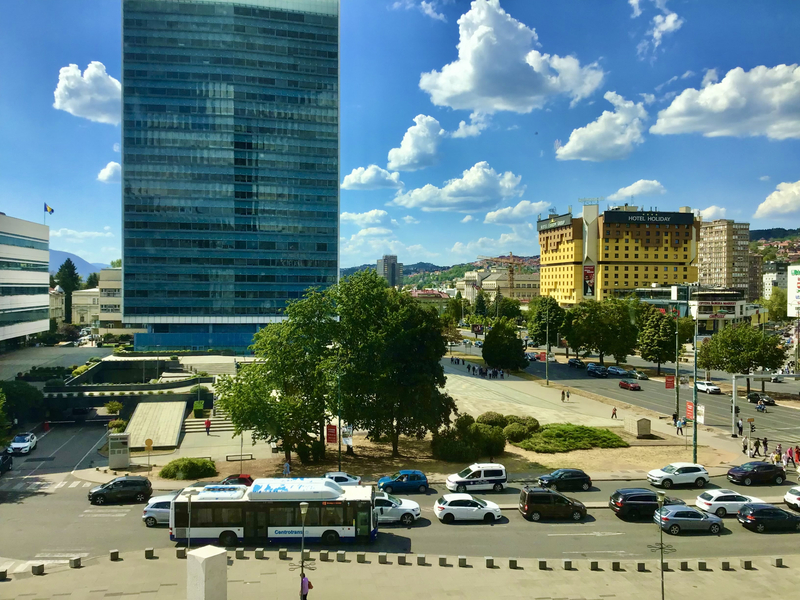
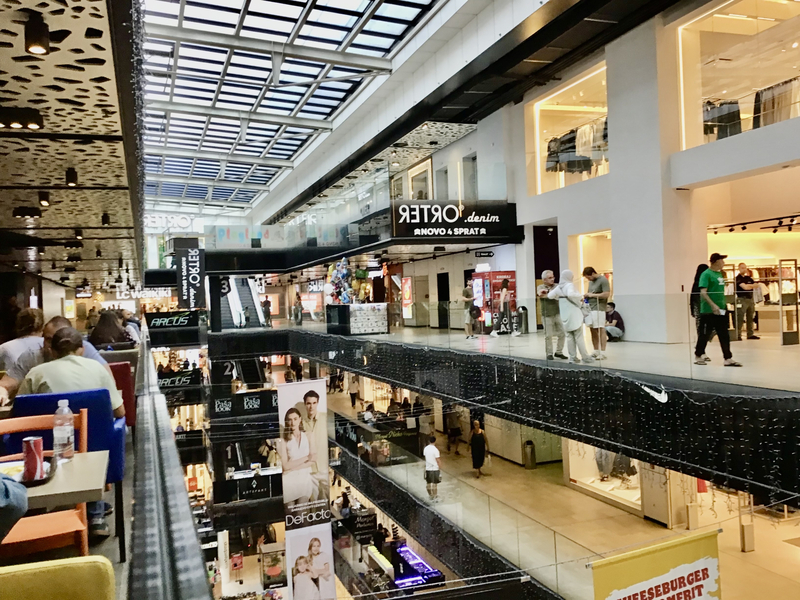
Two days after arrival in Sarajevo we had the first dentist appointment, so the taxi driver dropped us in the vicinity of the offices and pointed vaguely in the direction o3if where we needed to go. We walked up and down the busy street several times, but only saw bullet ridden buildings. Well, the building turned out to be the dentist office, which after getting buzzed in, transformed into a plush, beautiful, modern interior with a large professional staff that would have done well in Beverly Hills, California. The staff and doctor came over to shake our hands and introduce themselves and TJ was quickly moved through the offices, from x-rays to cleaning. Afterwards we walked the couple of hundred yards to the Sarajevo City Center Shopping Mall, which is in the modern part of the city, had a great lunch at an Asian Fusion Restaurant and walked around a bit thru the mall from where we took a taxi ride back to the Airbnb. The ride cost around $8.
The second dental visit included removing the old crown, prepping the tooth, measuring the new crown and a filling in another tooth. More intense than the first visit, but still painless. Afterwards we had a cappuccino at the SCC mall, before going back for the temp crown. This time the taxi driver took us on another route back to East Sarajevo an we learned a bit about the strange arrangements between the Republik of Skrpska and regular Bosnia or the Canton of Sarajevo, when the driver suddenly got out of the car at a traffic light and removed the Taxi – sign from the car’s rooftop and put it in the trunk. His explanation was as follows: Being registered in the city, he can pick up passengers there and take them to the Republik, but once in the Republik he cannot pick up any passengers, because that is in violation with the law which will penalize him for a couple of hundred Marks. He would also have to appear in court to explain why he did not follow the law. Very bureaucratic and time consuming. At least we understood why the charge was double the previous time for the same distance ride.
The third dentist visit was also quick and painless and TJ surprised the entire office with a bag of chocolate confectionary. For a total bill of less than $500 for the entire 3 treatments, spending $50 on chocolates just seemed the right thing to do and was very much appreciated. With another seven days to go in our stay we now could make plans to discover Sarajevo and surroundings.
TJ > I have horrible “white coat syndrome”, but “Floss & Gloss” changed all that. I have a year guarantee on the new crown, and I will be going back to them for dentistry issues. Literally pain free and did not even feel the lidocaine shots. In my entire life, this is the first time I can honestly say that. Everyone was also so friendly and caring. They LOVED the goodies I gifted them.
Our daily routine:
With Saint Basil of Ostrog Church and Chapel as the panorama view from our balcony, we look down over a part of EAST SARAJEVO, onto the valley in which Sarajevo has reigned its governing, religious and economic powers for several millennia. Our immediate panoramic scenery is a fresh construction site with a handful of excavators, dozens of dump trucks and worker ants, day after day grading and digging land and foundations for new apartment buildings. Maybe a nuisance for others, but for curious people like us, it’s a great way to observe how things are done in other parts of the world, especially while drinking our first cups of coffee of the day. Also worth noting is that we never heard the construction noises, so that helped.
Sarajevo is famous for its unique blend of East and West cultures, profound global history, and remarkable resilience of its people.
One of its nicknames is “Jerusalem of Europe” as it is one of the few European cities with a mosque, a Catholic church, an Eastern Orthodox church, and a synagogue located within the same neighborhood. The city was an important trade destination on a secondary Silk Road in medieval times and likens Istanbul a lot (Byzantium or Constantinople), just a way smaller version. In essence Sarajevo has always been a smaller city in search of recognition. Unfortunately for the city it was always regionally surrounded by other cities of grandeur, such as Venice, Vienna, Istanbul and Budapest, which represented the Power seats of the Empires of the Day.
Today however Sarajevo should be happy with this secondary role in ancient history, as the city today is not (yet) run over by tourism, retaining its historic character and importance and is very livable and affordable.
The Sarajevo Grand Tour
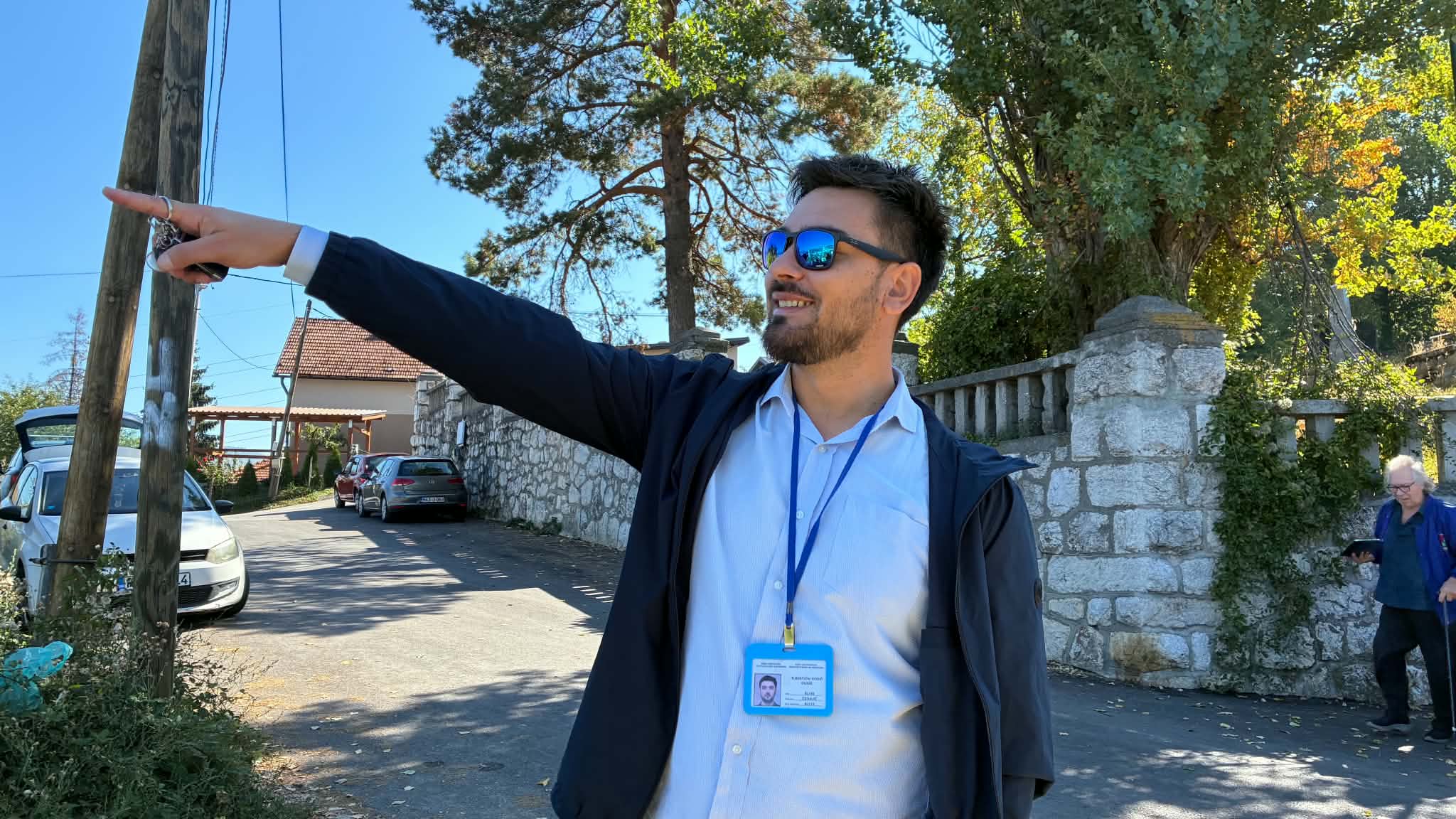
Say Hello to Elvis, our magnificent tour guide
A city tour with a local who knows the heart and soul of the city and carries the pride of generational belonging is a must, and we were lucky enough to get Elvis, our tour guide and one of the owners of the tour company Tour Mage.
He was absolutely brilliant, exploding with knowledge, fun banter and professional. The time flew by in a flash because the tour covered so much and was so insightful. It ranged from a walking tour, driving tour, and historical eye opener. If you’re going to do this tour with anyone please select this company and ask for “Elvis”, not an uncommon name is Bosnia, but his dad was crazy about the King of Rock and Roll, hence his name.
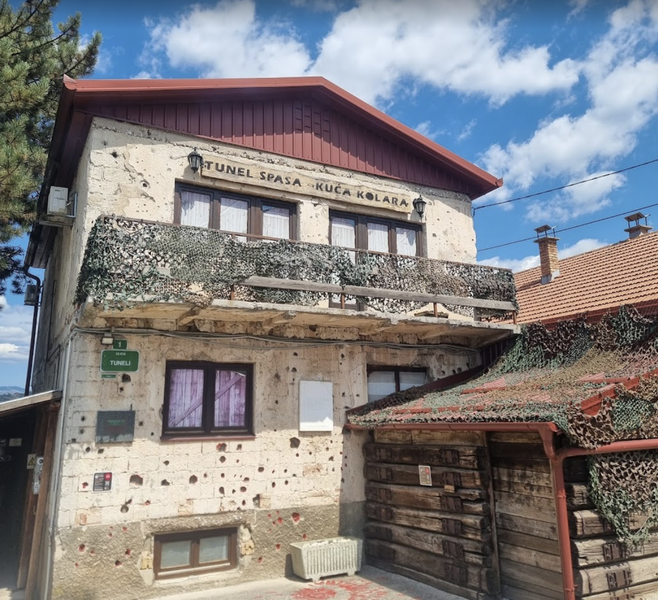
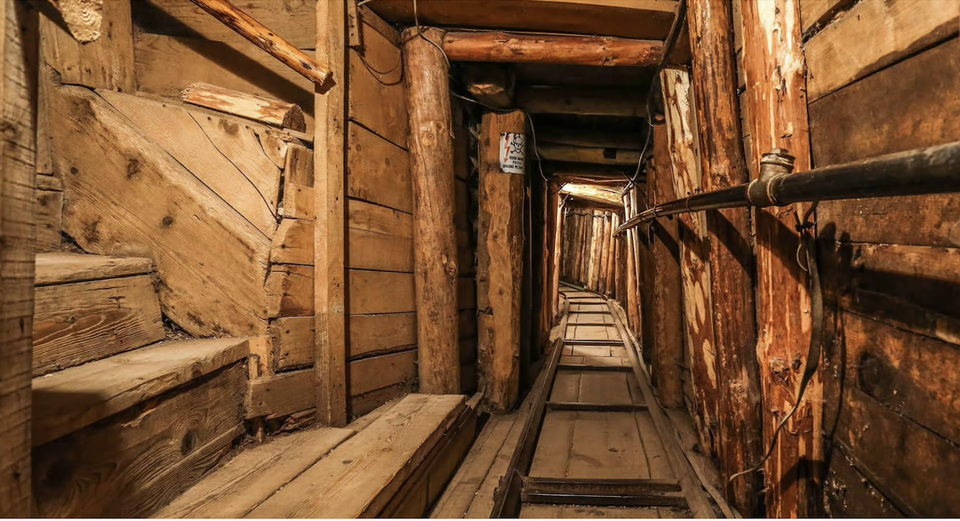
We were the only ones on the tour, which Elvis per our request, had conveniently changed from Tuesday to Wednesday because of the weather forecast. For a little over $100 for the two of us we considered it a deal having a private tour by car instead of bus. Since he had to pick us up near Bingo Center in East Sarajevo, he decided to change the normal course of the tour and took us to the Wartunnel (Tunnel of Salvation) and War Museum first, which happened to be not far from our Airbnb at the other side of the airport.
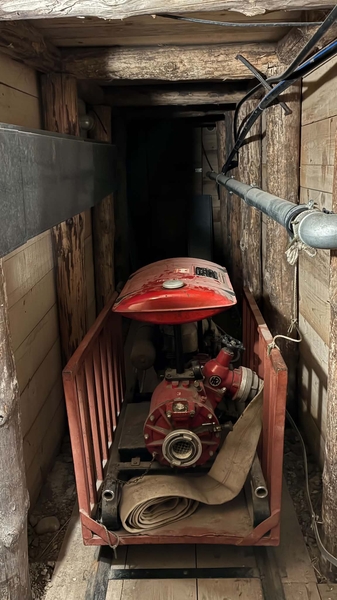
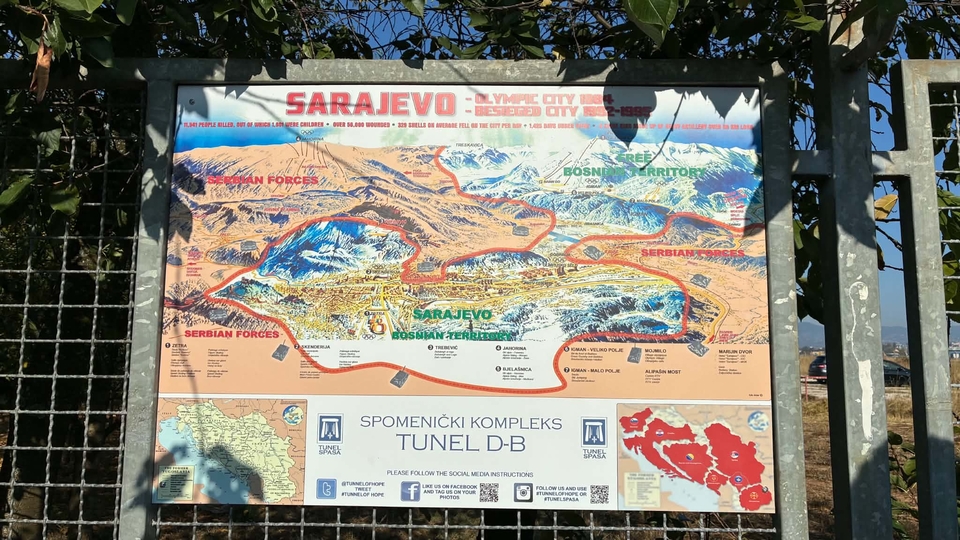
When the Serbs during the Yugoslav wars in 1992 tried to strangle the city of Sarajevo with a siege that lasted almost 4 years (1,425 days), the people from the city dug an 800 meter tunnel underneath the airport runway to supply the city. The Bosnian Serb Snipers and artillery shelled on average 330 shells per day killing some 11,500 people and wounding more than 50,000. Our suggestion is to visit the Tunnel of Hope Museum and learn about the senseless War in Bosnia and Siege of Sarajevo. Admission, which is not covered in the tour fee is about $10 p/p.
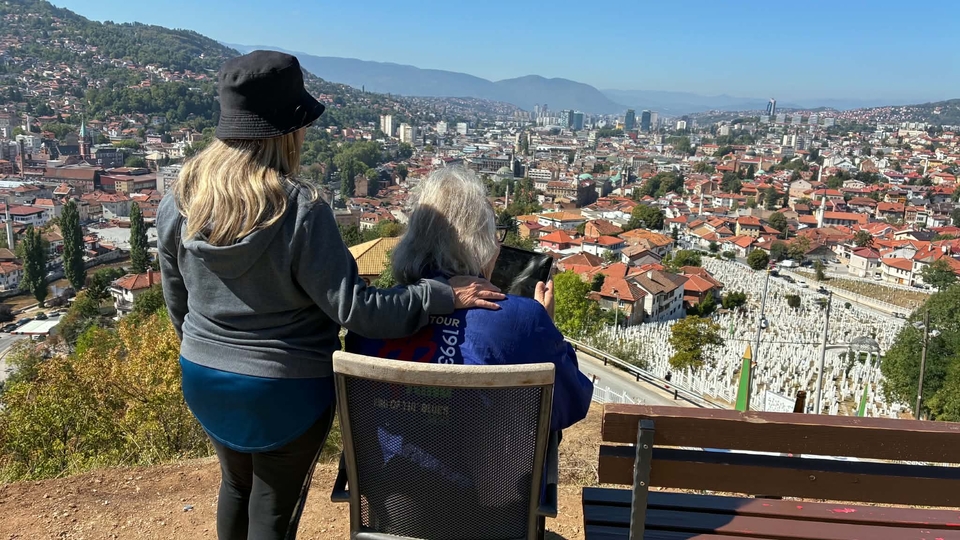
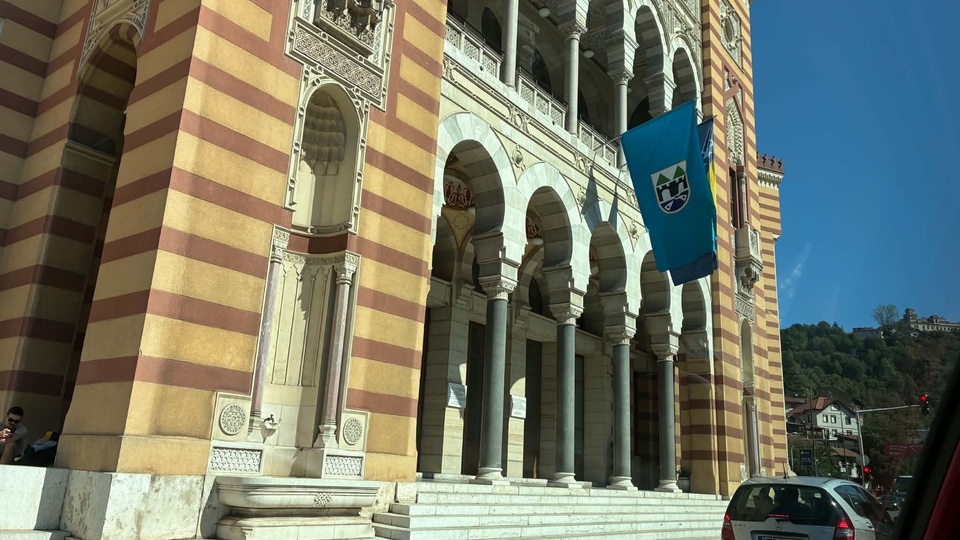
Our next stop was the Jewish Cemetery on the slopes of the Trebevic Mountain, which was used as an artillery shelling position by the Bosnian Serbs during the 1992 war. Second only in Europe to the Jewish cemetery in Prague, its origins date back to 1630. This stop was followed by The Yellow Fortress and the Kovaci cemetery. After some pictures of the white gravesites, Elvis drove us down past Sarajevo’s faux Moorish city hall to where the original city started back in the 1400s as the Baščaršija: Baščaršija is Sarajevo’s Ottoman bazaar, founded in 1462 by Isa-beg Isaković, the heart of the Old Town for over five centuries.
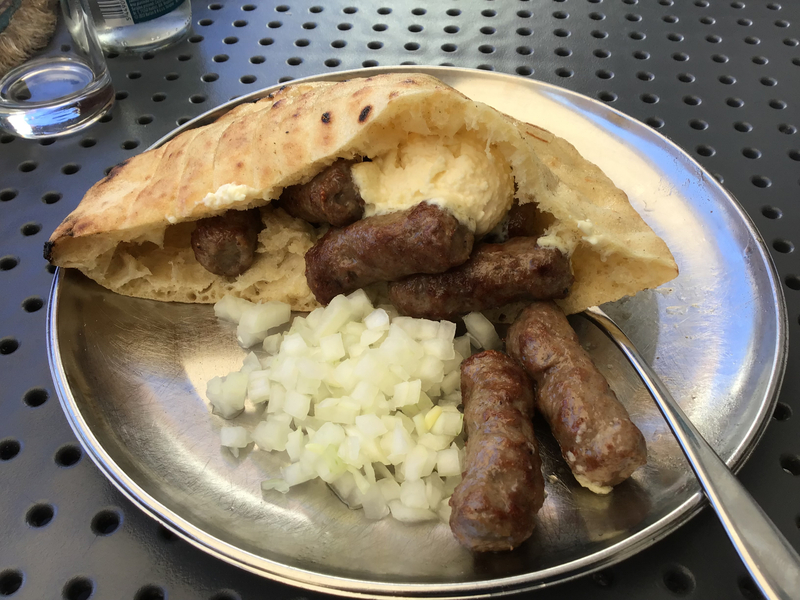
Before further explorations, it was time for a truly Bosnian lunch and Elvis took us to a restaurant famous for Bosnia’s national dish Cevapi: consisting of small, skinless, grilled sausages made from hand-mixed minced beef (and sometimes lamb), shaped into logs without casings tucked inside a warm, fluffy local flatbread called somun (or lepinja) and topped with finely chopped raw onions and kajmak, a rich clotted dairy. Delicious to the extent that we had it at least five times during the remainder of our stay in Bosnia.
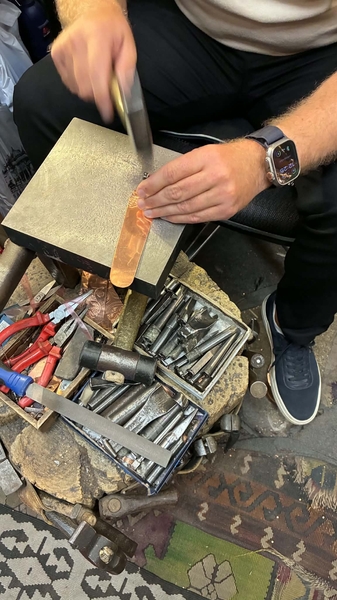
As arranged, Elvis picked us up after lunch. He declined our invitation to join us as he had a family lunch scheduled with his parents after the tour. We walked the pedestrian shopping street Saraci to Ferhadia. First we went through a maze of streets and casbah alleys and ended up in a store with a family that still operated a copper craftsmen shop on Kazandžiluk (Coppersmith) street, where craftsmen still hand-hammer džezvas (coffee sets) and trays as they did 500 years ago. We got a nice introduction to century’s old copper crafting and bought some knic-nacs in appreciation. (Remember that we don’t have a home currently, so we have to be careful with what we buy, so it fits in a suitcase and is not too heavy).
TJ > The store owner was so lovely and talented, I purchased an authentic (from the war in 1992) shell casing that he had hammered a unique design on the exterior. I appreciated that he took something devastating and turned it into art. However, later I started thinking that I hoped it had not hurt or killed anyone. So many citizens were killed in the war, and that seems like such a short time ago.
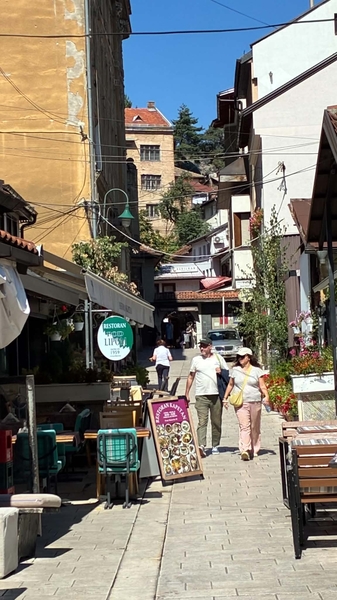
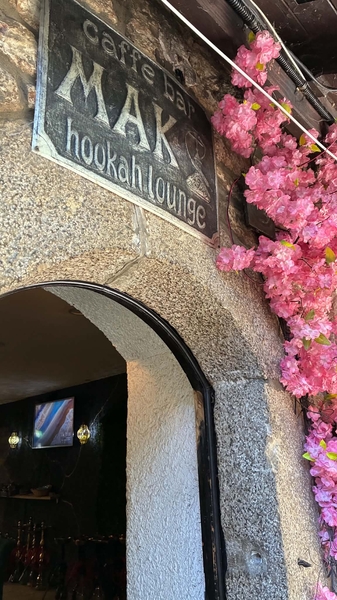
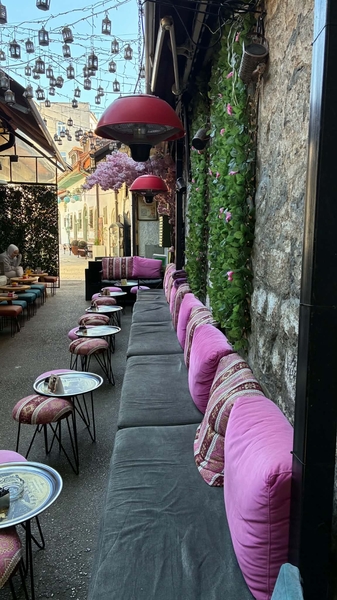
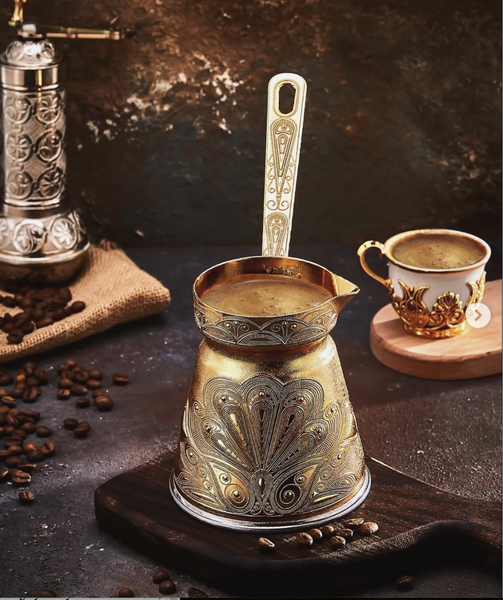
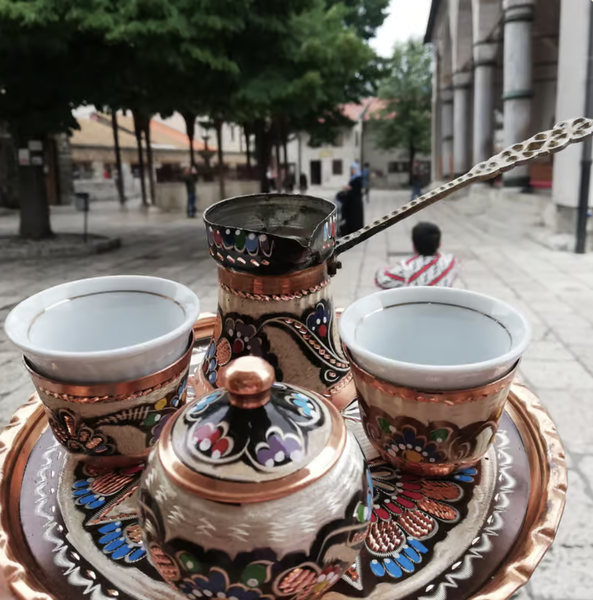
Further down the central pedestrian shopping street, Elvis turns to us with a grin and says: “Here we locals hide from tourists when we need a coffee-break,” as he turns into a narrow meter wide “street” covered with blankets and wall carpets, we entered the old Ottoman Hotel Morica Han, a 16th-century caravanserai that once housed traveling merchants. Today the courtyard is a quiet café, along with a hookah/coffee bar where we get treated to a delicious Bosnian Coffee.
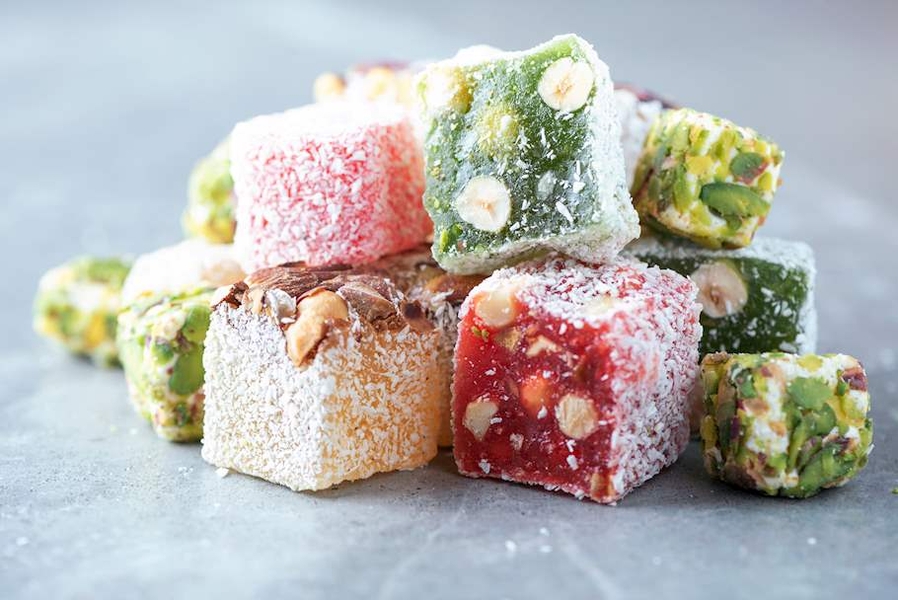
Okay so first things first, Bosnian coffee in Sarajevo is not what you think it is. It comes in a little copper pot called a džezva, with a heart shaped sugar cube and a piece of rahat lokum on the side. Rahat Lokum is a Turkish delight made from a cooked gel of sugar, water, and cornstarch, then flavored and dusted with powdered sugar. The whole point of the coffee ritual is that you are not supposed to rush it. Trust me on this one – slow down for this coffee. You sit, you wait for the grounds to settle, you slowly pour from the copper pot into your cup, dip a small part of your sugar cube, take a bite then continue. That’s literally the instruction. That’s the whole thing. Afterwards you’ll understand the meaning of life much better. You can choose to eat the Rahat Lokum, but Elvis nor TJ was a fan. As a Dutchman familiar with the scandalous 1973 movie “Turkish Delight” featuring Rutger Hauer and Monique van de Ven, I at least had to try the naughty delicacy.
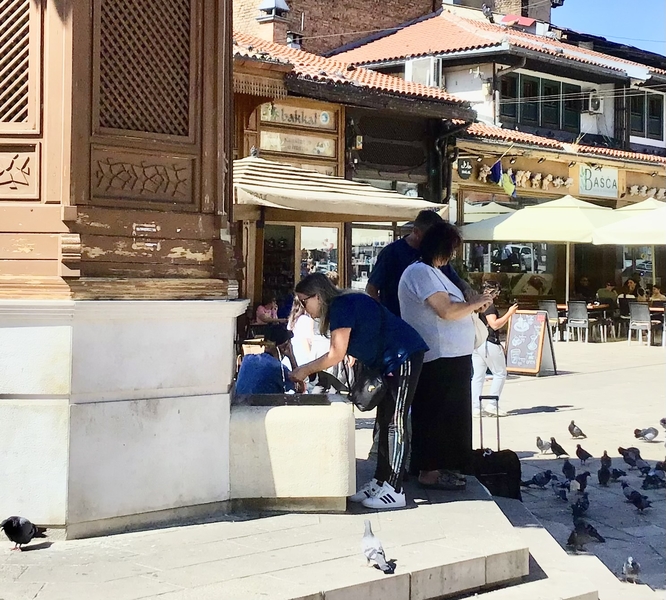
After this coffee break, we followed the pedestrian street until we arrived in the center of Baščaršija Square, where the Sebilj, an Ottoman-style wooden kiosk shaped public drinking fountain is located. This is one of Sarajevo’s most recognizable symbols due to the importance of fresh water, and serves as a historic landmark and a vibrant social hub. It has been around for centuries and drinking from it means you’ll return to Sarajevo, according to the locals. TJ did and so we will return.
Baščaršija is Sarajevo’s old Ottoman bazaar, the historic and cultural heart of the city, founded in 1462. It’s where the city began, and it’s still where the city lives. If you only go to one place in Sarajevo, this is the one.
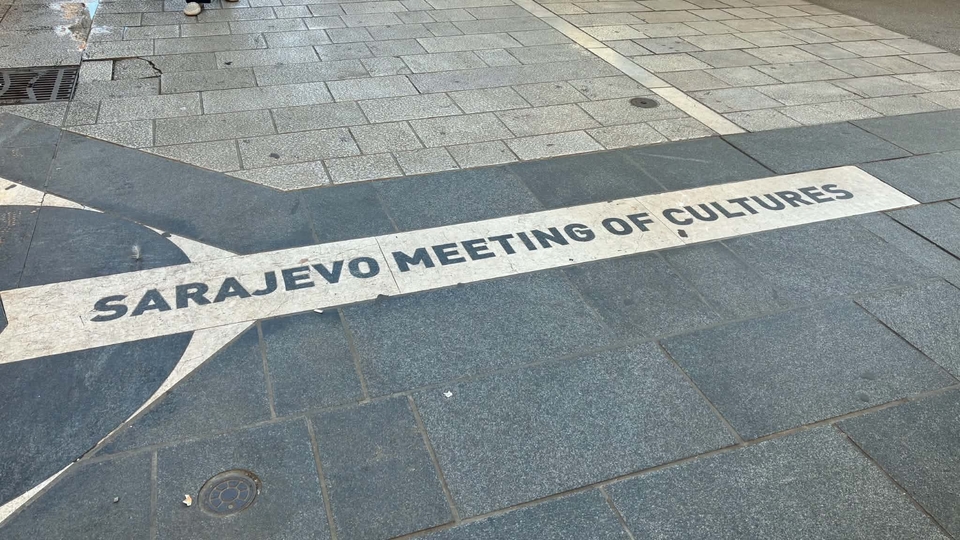
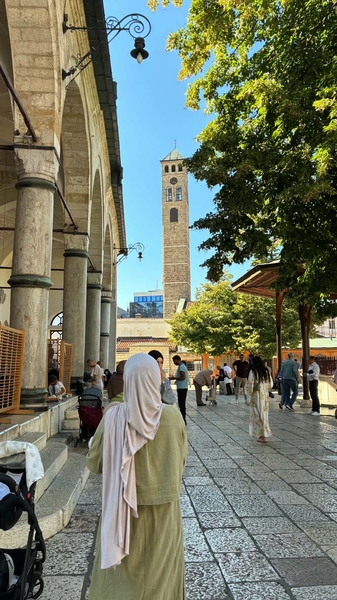
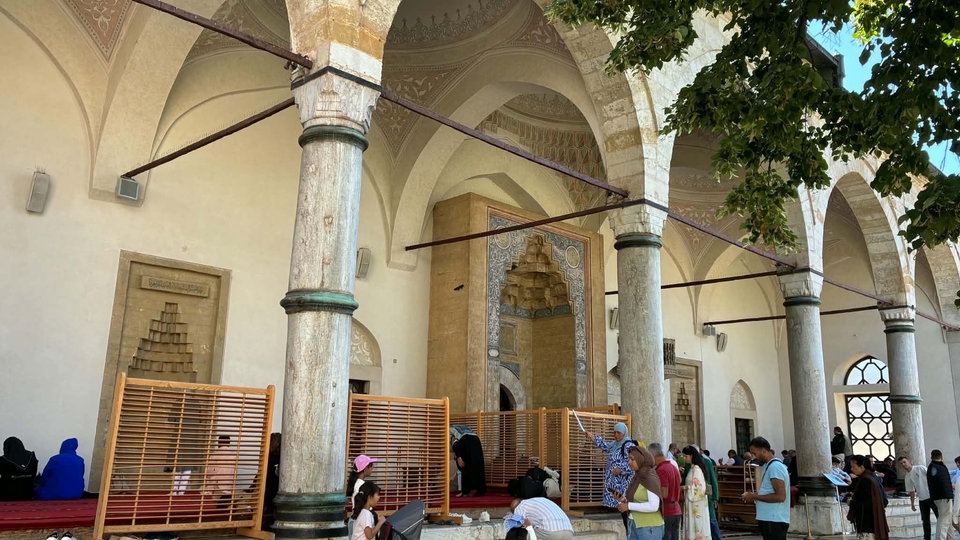
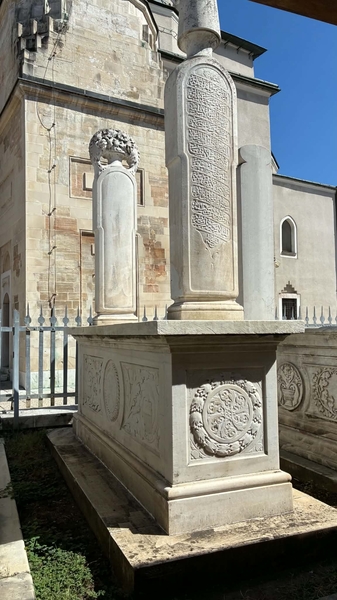
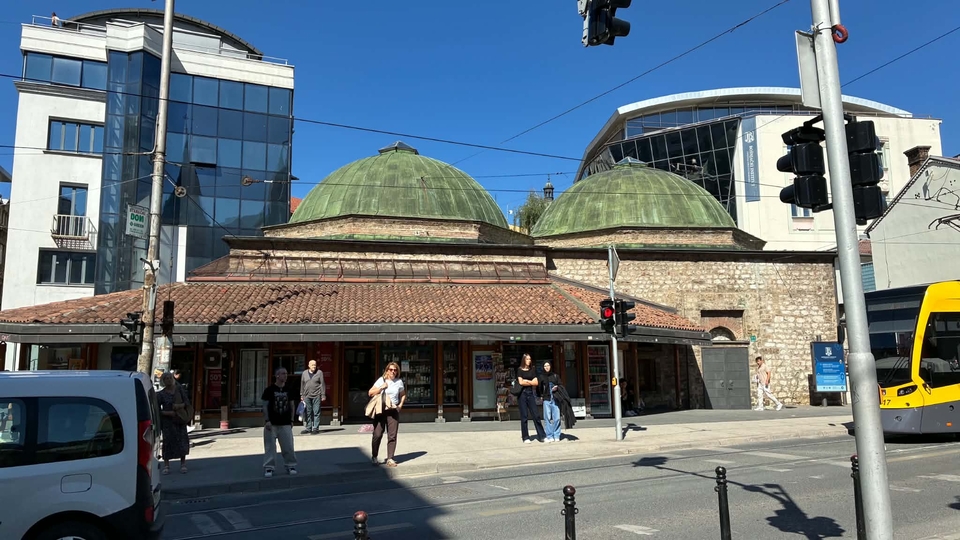
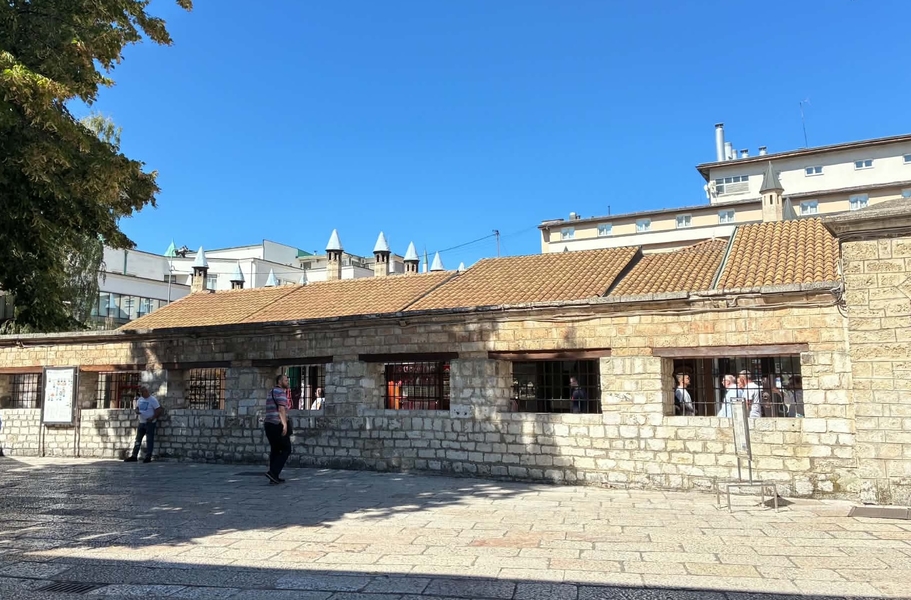
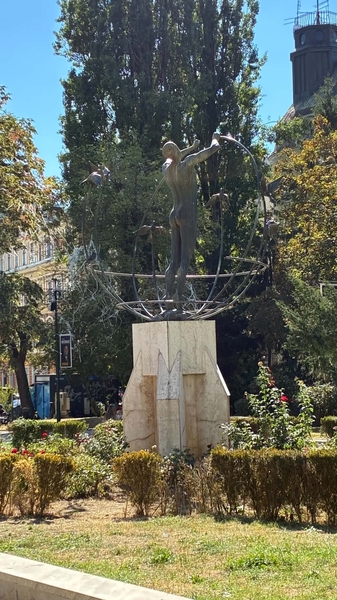
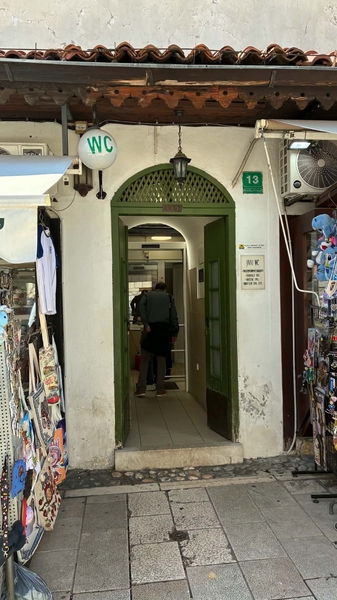
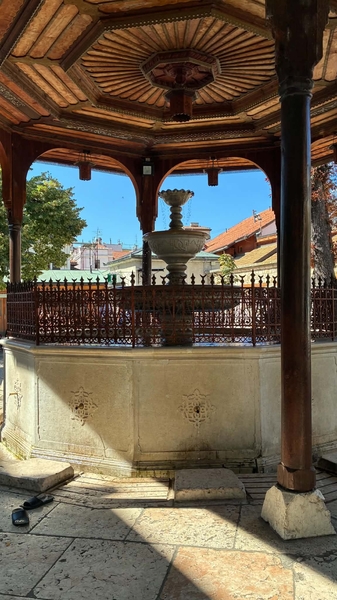
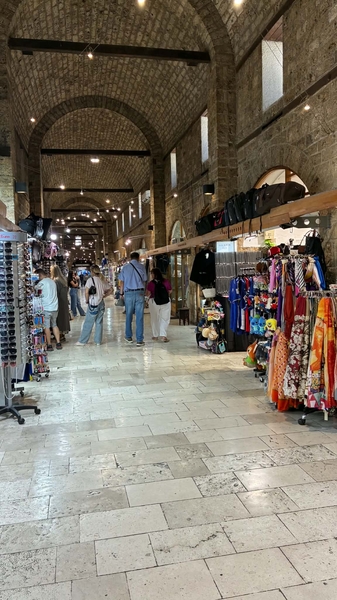
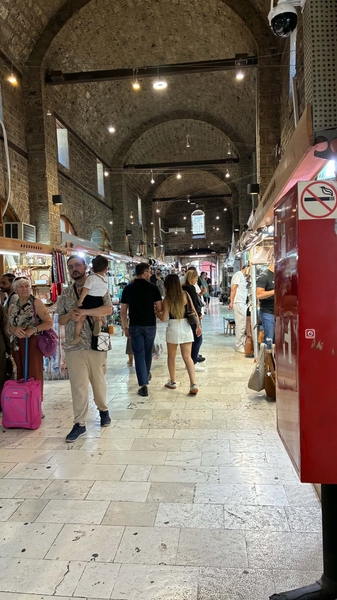
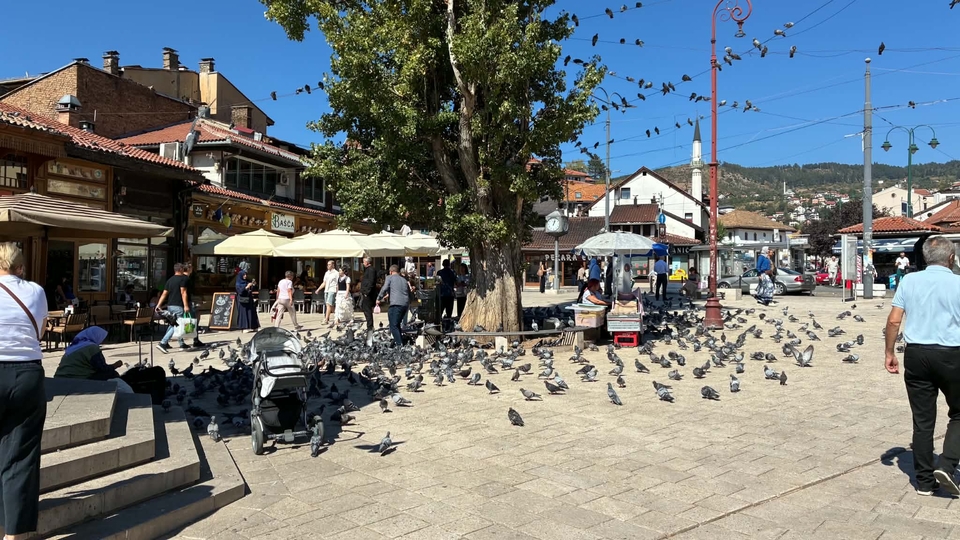
The longevity and attraction of Sarajevo’s old town is largely the result of the vision of Gazi Husrev-beg, the Ottoman Governor of the city and region between 1521 and his death in 1541. He created a range of endowments that provided capital to build a wide range of religious, educational, commercial and administrative institutions, that until the current time have provided funds, administration and control for maintenance and operational purposes.
The Gazi Husrev-beg Mosque opened in 1531 and is Sarajevo’s (actually Bosnia’s) grandest Ottoman mosque, with its courtyard and educational maktab and madrasa next door. It was the central object of the Beg’s endowment, which, besides the places of education and library also included a bezistan (vaulted marketplace), and a hammam bath house. The Mosque was also the first mosque in the world to receive electricity and electric illumination in 1898 during the period of Austro-Hungarian Empire reign.
The Bezistan Market was originally built in 1555 and is still in full operation and a great attraction to the city. Another remarkable accomplishment of the Beg was the construction of the Sarajevo Clock Tower, which shows lunar time, in which the hands indicate 12 o’clock at the moment of sunset, the time of the Muslim Maghrib prayer. A caretaker, called the “timekeeper”, is required to climb the 74 steps to reset the clock’s time manually once a week.
Sarajevo is also home to Europe’s earliest and most famous public toilets with running water (!), known locally as Begove hale. It was connected to running water and a functioning sewage system fed by Gazi Husrev-beg’s extensive charitable trust waterlines. Gazi Husrev-beg understood the importance of clean water and hygiene and developed a great aquaduct system that brought running water from the mountain springs to the city.
Gazi Husrev-beg’s historical endowments transformed Sarajevo from 16 small regional settlements into a thriving, self-sustaining Ottoman metropolis. In the 1530s, the governor established his legal vakuf (Islamic charitable trust or waqf) through three foundational charters (vaqfnamas).
By endowing over 200 shops, bathhouses, and marketplaces, he ensured that commercial revenue directly and perpetually funded the city’s religious, educational, and social infrastructure—a system that remarkably continues to operate under his original stipulations to this day.
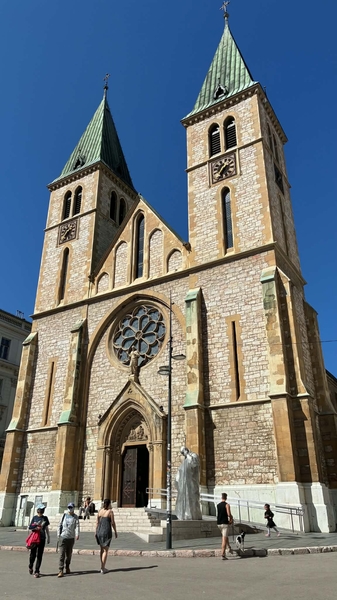
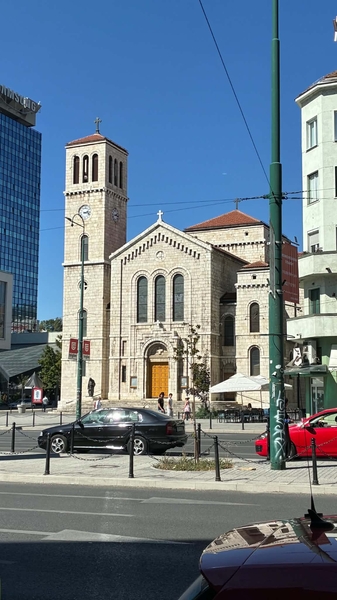
After having learned all this, we are leaving the old Ottoman part of the city when we see the Roman Catholic Sacred Heart Cathedral, a neo-Gothic church built between 1884 and 1889, marking the area in the city where Ottoman Baščaršija meets the Austro-Hungarian quarter. The “silver” statue in front is of Pope John Paul II.
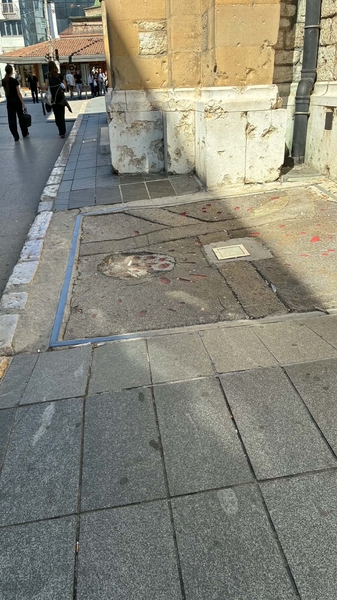
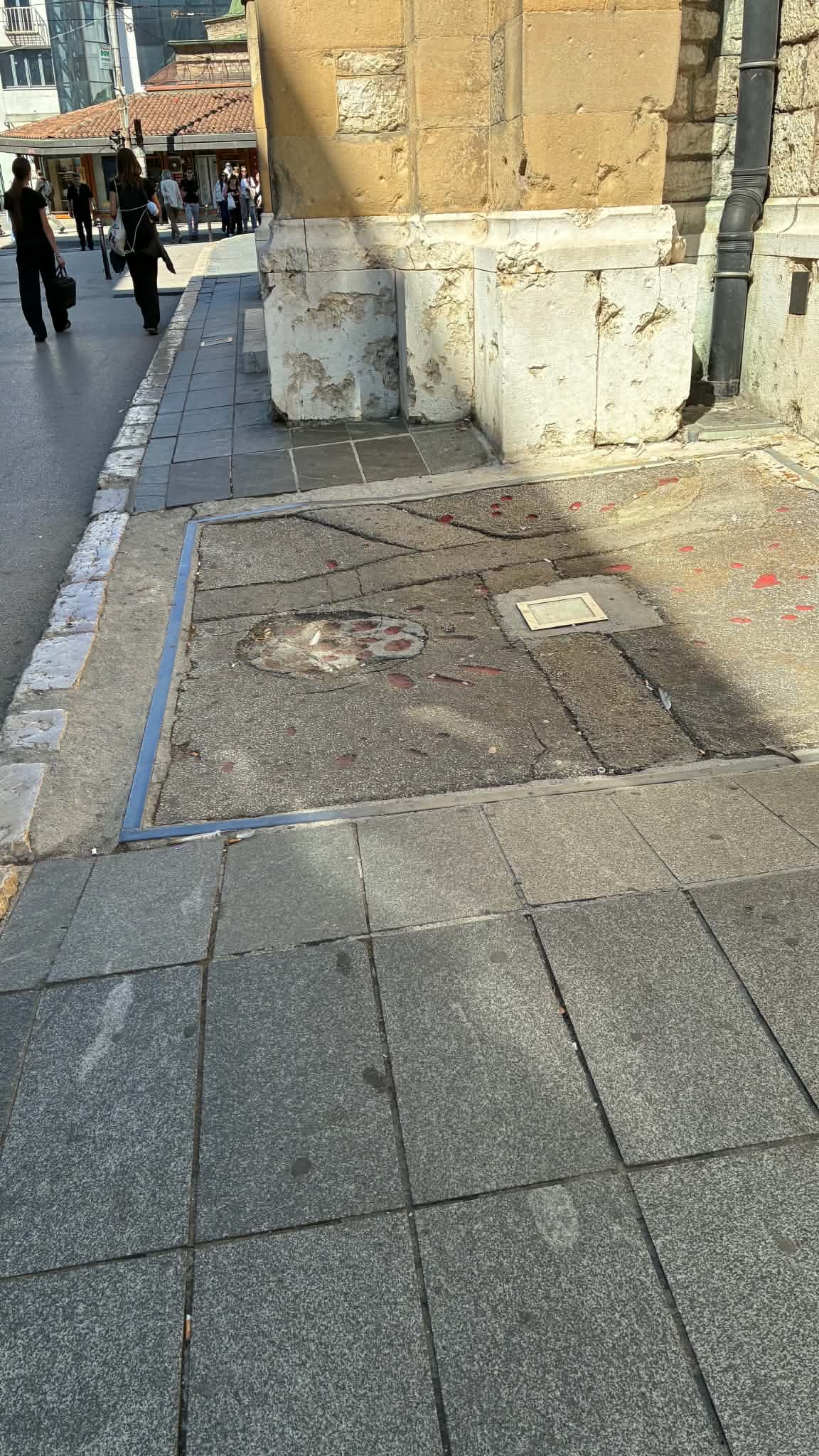
TJ > Didn’t want to forget to mention the memorials all around the city center, where they found people shot and killed. You can see the shelling holes in the concrete and they paint the areas red where they found the blood splattered. They never want to forget the trials they faced.
To never forget the atrocities of war
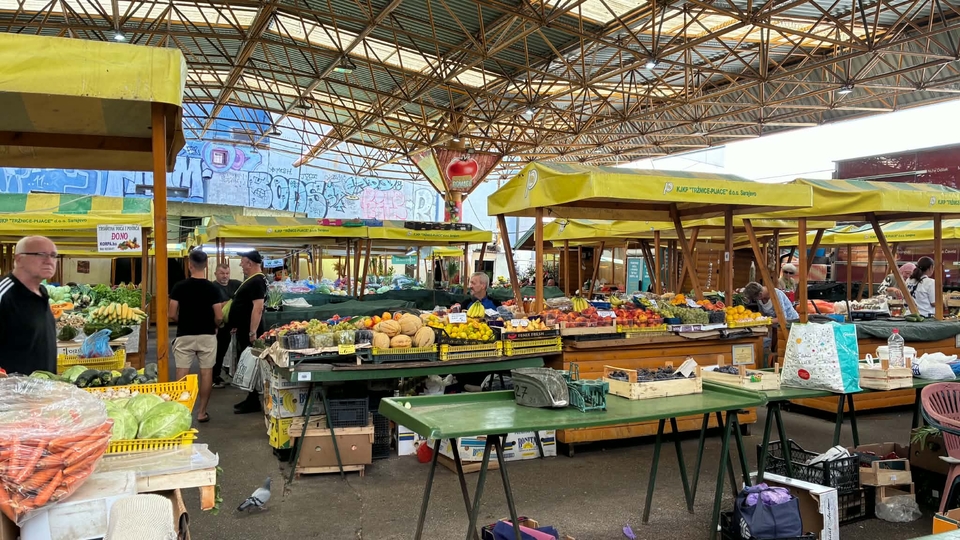
During our conversations with tour guide Elvis, we had mentioned that we found so little lettuce in the Balkans, especially since we love our salads. Well Elvis set out to show us otherwise and took us to The Pijaca Markale (Outdoor Market) right in the Old Town, the city’s main open-air farmer’s market for fresh local fruits, vegetables, wild mushrooms, herbs, and regional cheeses, alongside smoked meats. In an unobserved moment, an elderly woman in one of the vegetable stalls pointed at some of her merchandise and said “good aphrodisiacs” with a smile from ear to ear. I laughed and said: “at my age it has to be real good.” She shrugged and grinned understandingly.
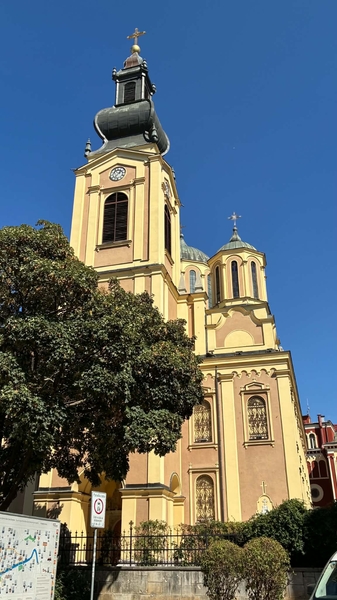
Leaving the market, Elvis took us to the Cathedral Church of the Nativity of Theotokos, the largest Serbian Orthodox church in Sarajevo and one of the largest in the Balkans. The church is imposing and of immaculate architecture and once again I’m struck by the fact that culture and history is almost always displayed through war and religion.
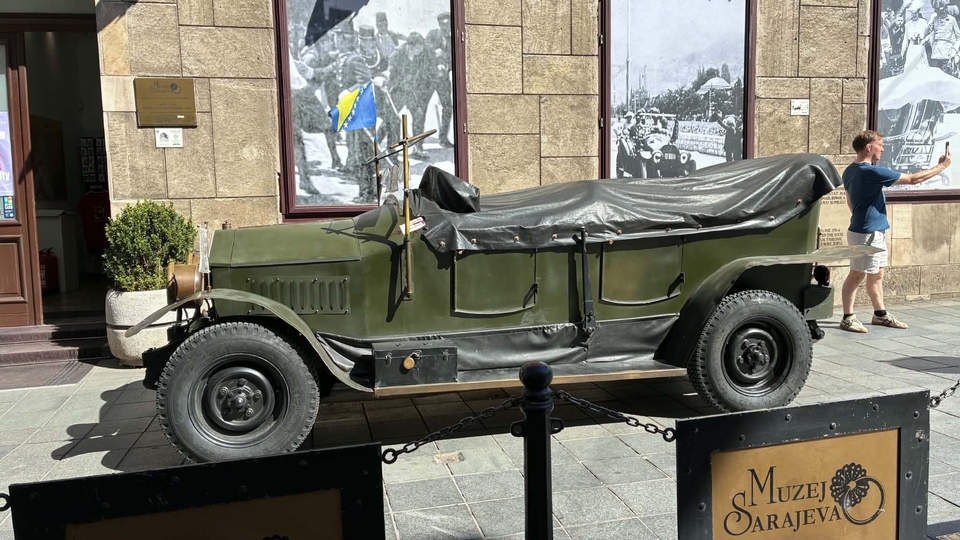
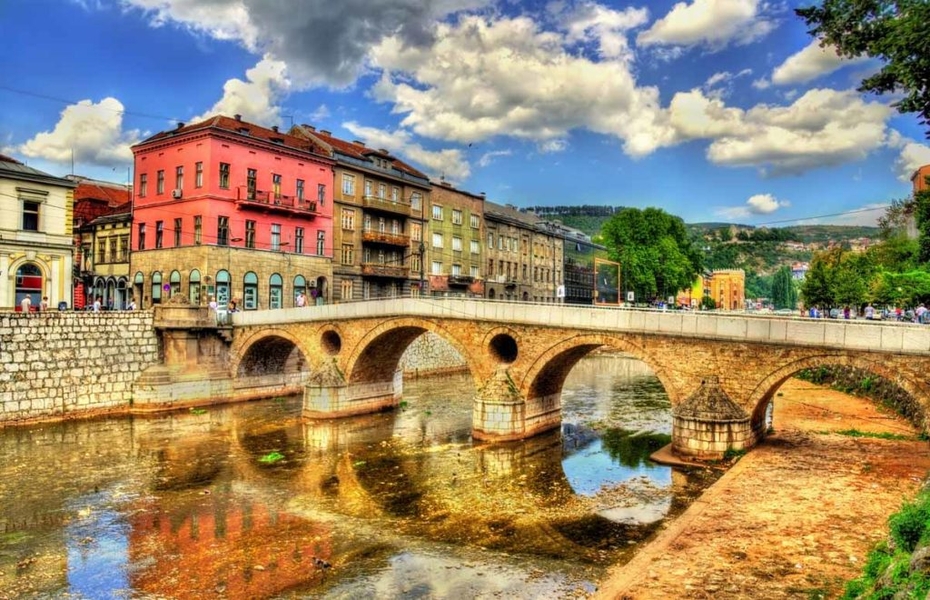
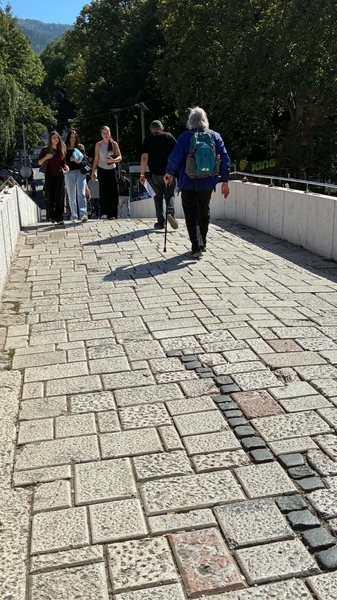
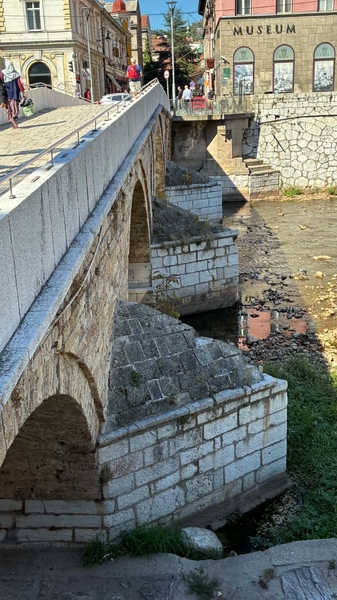
Or next stop is the infamous Latin Bridge. The Latin Bridge is perhaps the most famous landmark in Sarajevo, not for its size or architectural complexity, but for the world-shattering event that took place at its northern end. Spanning the modest Miljacka River, this Ottoman-era stone bridge has stood for centuries as a vital crossing point, yet it is forever etched into the global consciousness as the site where the 20th century truly began.
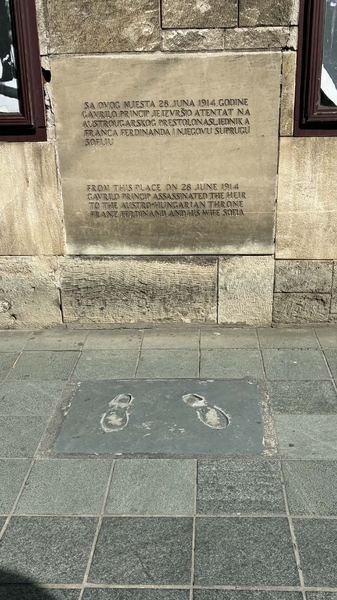
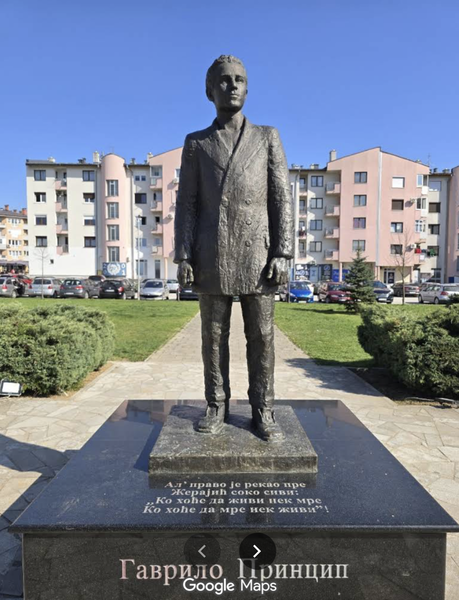
On June 28, 1914, the assassination of Archduke Franz Ferdinand, heir to the Austro-Hungarian throne, occurred just steps away from the bridge’s foundations. This act, carried out by 19 year old Gavrilo Princip, a member of the Young Bosnia Liberation movement, served within 30 days as the immediate catalyst for World War I, a conflict that would redraw the map of the world and change the course of human history forever. Today, the Latin Bridge serves as a poignant reminder of how an assassination can change the course of the world drastically and permanently. As a result of this act, three empires ceased to exist (British, Russian and Austro-Hungarian) and World War I caused some 45 million casualties (dead and wounded). No wonder that Gavrilo Princip, who as a Bosnian Serb has a statue erected in a park in East Sarajevo.
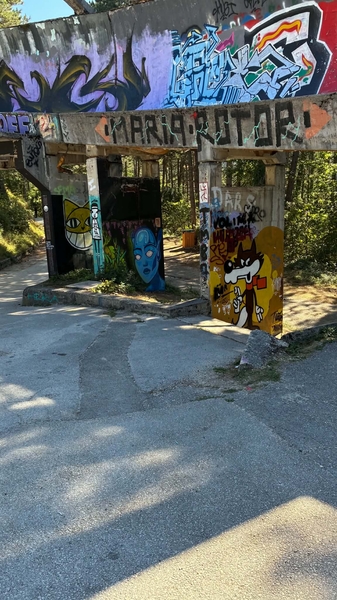
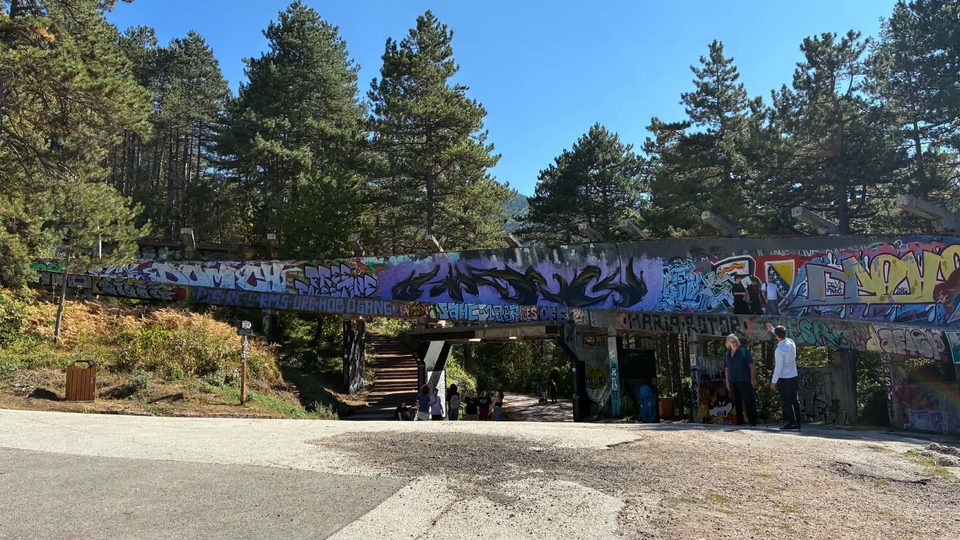
In consideration of my slightly limited walking capabilities, Elvis offered to run back to get his car and meet him just cross at the Latin Bridge. He picked us up for our last visit on the tour of the Bobsleigh and Luge Track on Mount Trebevic. The road up to the park shows us why Sarajevo was chosen as an ideal site for the Winter Olympics. Sharp fast rising mountain roads, yet close to the city and its offerings. The concrete track was used as an artillery stronghold by Bosnian-Serb forces during the 1,425 day siege of Sarajevo. Today, it is covered in graffiti, reclaimed by nature, and visited by tourists or used for mountain biking.
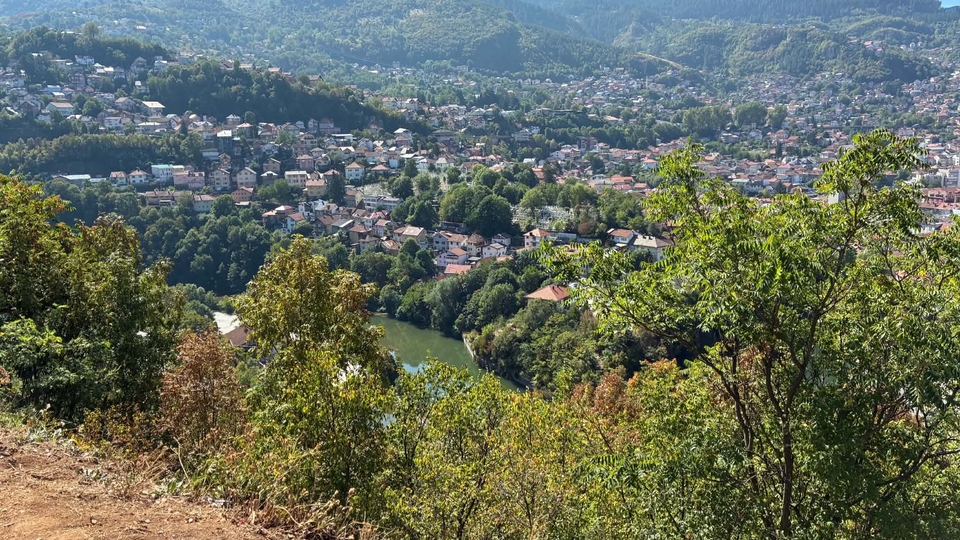
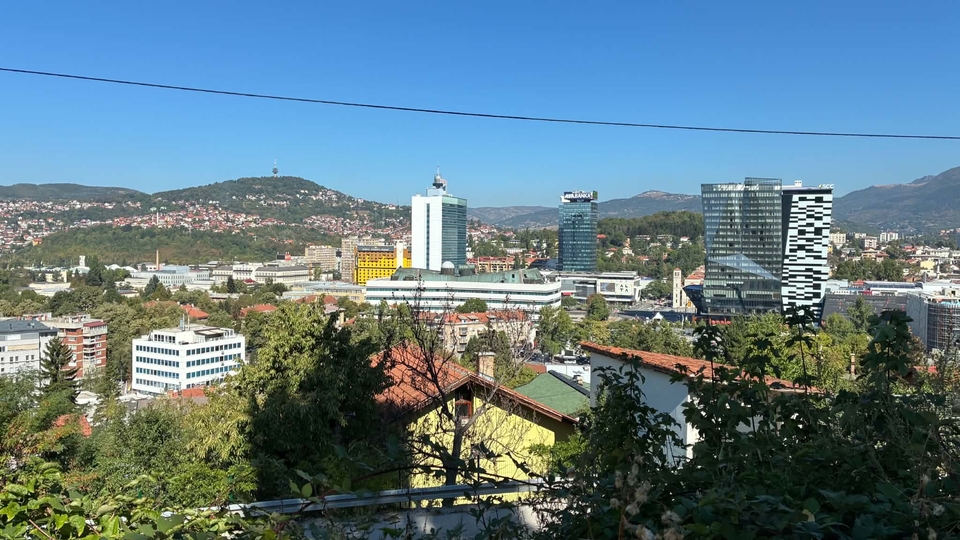
Sarajevo, deep in the valley, there is nowhere to go or to hide when attacked from the steep, surrounding mountain slopes. Yet there is something quietly unique about the way Sarajevo carries its deep scars. Sarajevo is an amazing city that begs for us to return, even though shades and echos of the 90s war are always just a small step away, no matter where you are.
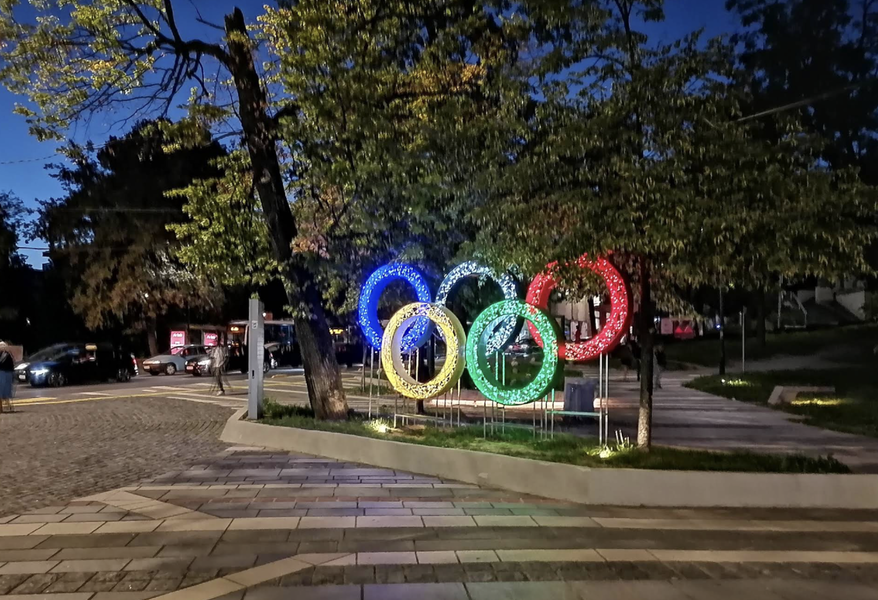
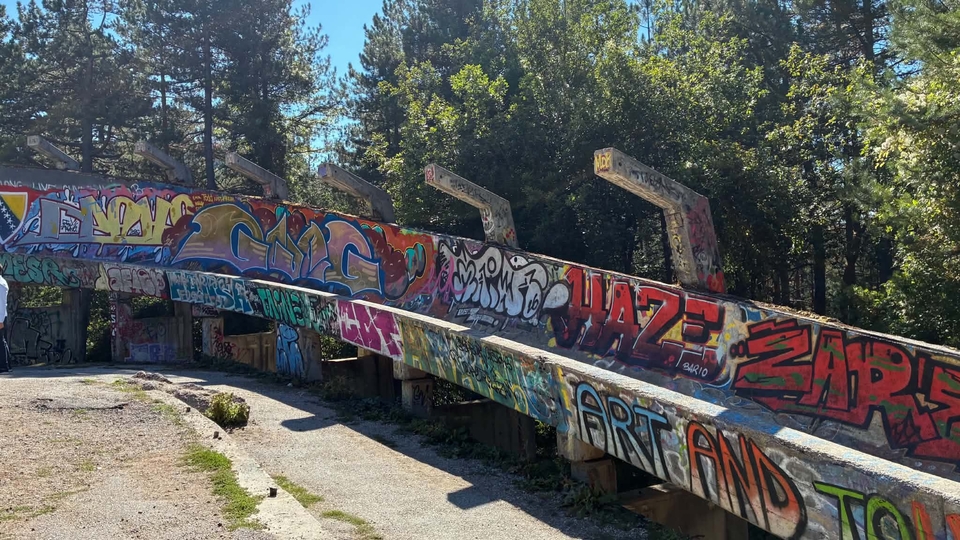
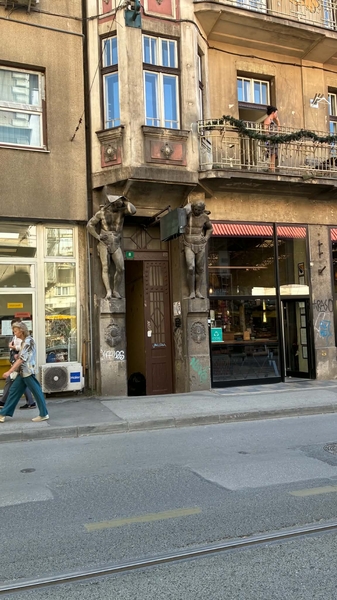
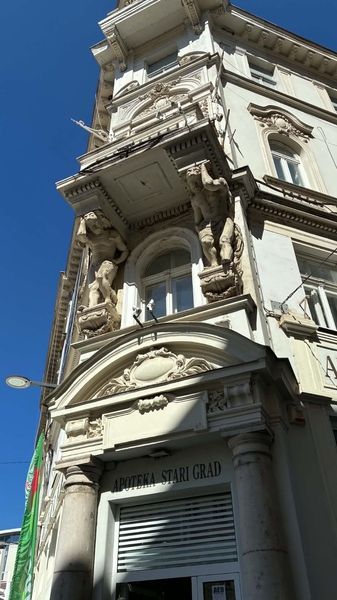
TJ > Next time we visit, we will stay in the city center because there is so much more to explore and see. It definitely cannot be accomplished in one day. I was so impressed by how many cultures have blended into each other and live together peacefully.
There is also a “luge” ride that I didn’t get a chance to experience, so that will be first on my list when we go back again.
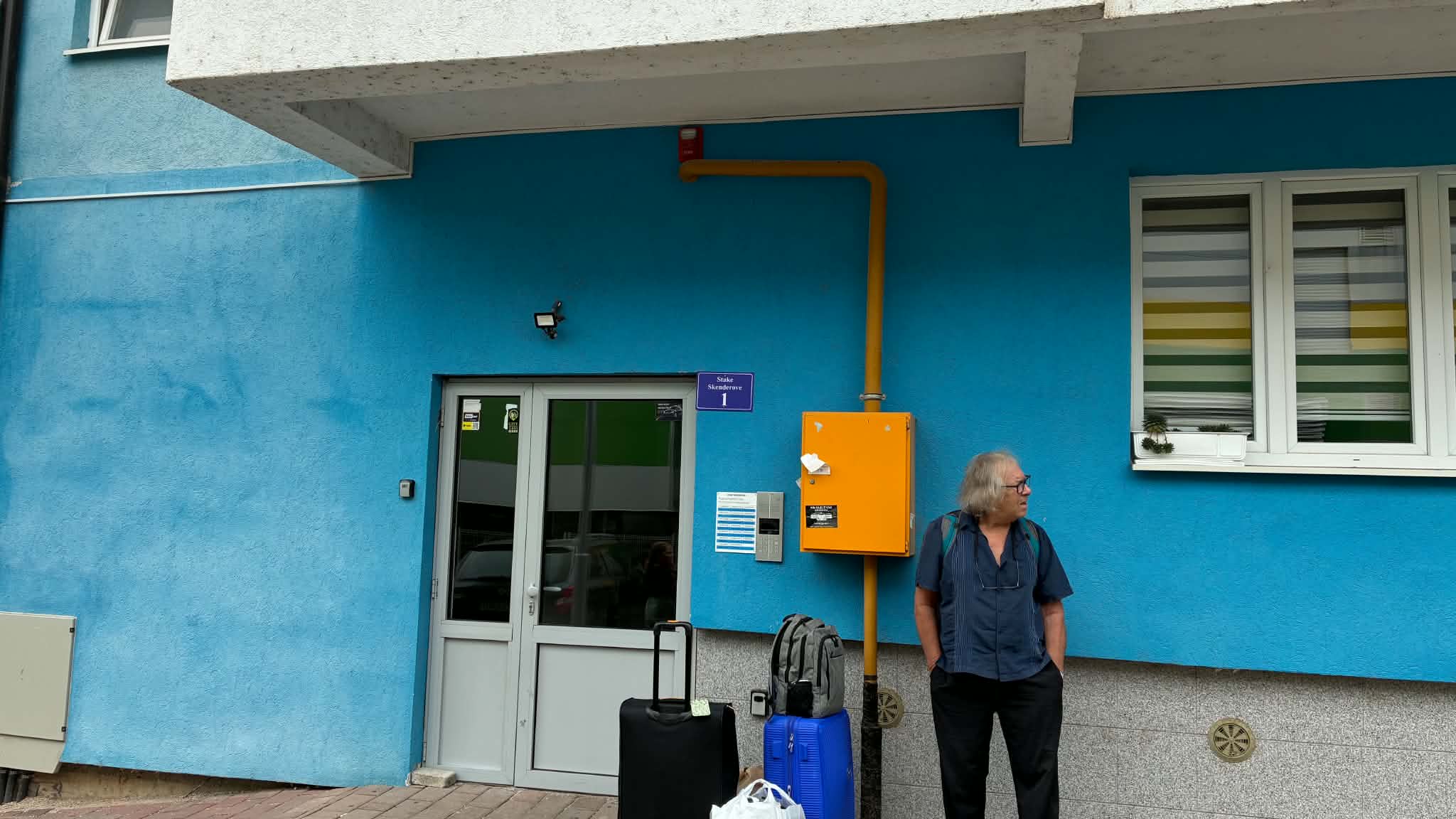
Ready to Depart for Banja Luka

Recent Comments