
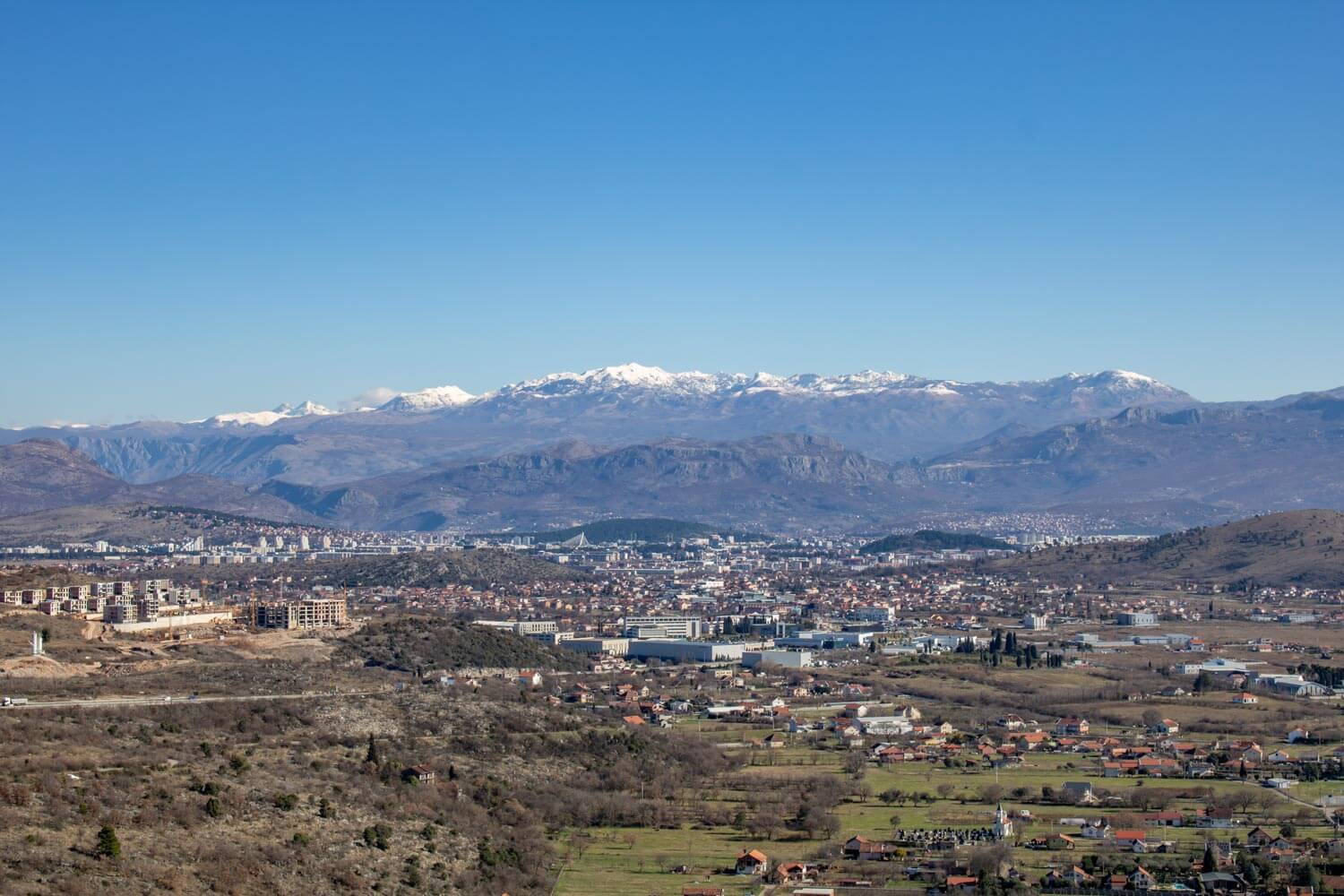
Podgorica, Capital of Montenegro
When we were first confronted with the Schengen Shuffle option, we planned to stay a month in Albania, followed by a month in Montenegro and a third month in Bosnia/Herzegovina, after which we could go back to Portugal and work on our permanent residency paperwork. In hindsight we could have stayed the entire three months in Albania since TJ with her US passport was allowed to stay a full year without Visa requirements and Han with his Dutch passport could stay 90 days without questions. We didn’t know, so Airbnb arrangements were made in advance and Podgorica, the capital of the 20 year young Balkan nation Montenegro became our next four week destination.
First thing we noticed upon arriving was that Albania is substantially cheaper than Montenegro, especially for food, drinks, accommodation, and daily travel expenses. Dining out and buying groceries in Albania typically cost about 30% to 50% less than in Montenegro. Important to know in this respect is that Montenegro’s currency is the Euro, in anticipation of the country joining the European Union in 2028.
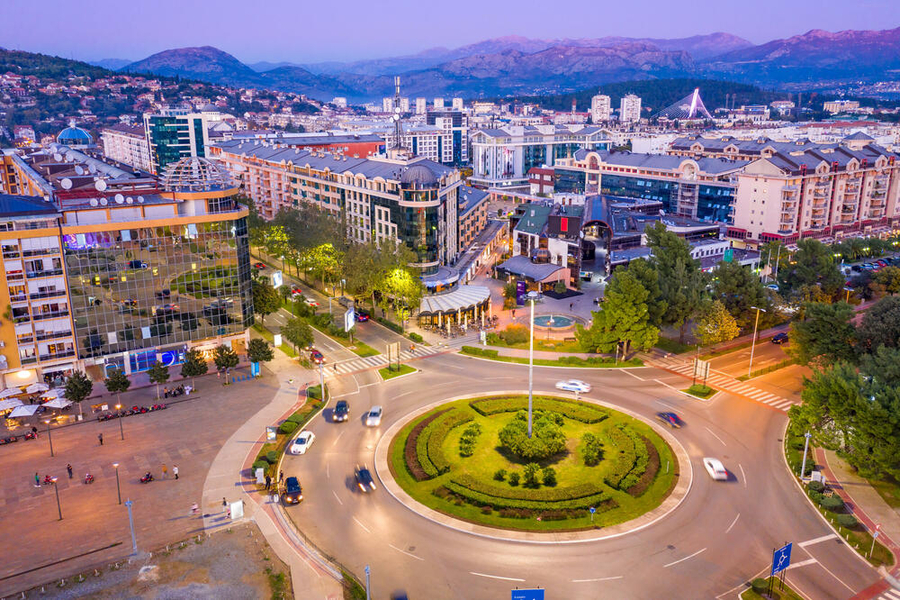
As recent as 20 years ago, Montenegro separated from the old Yugoslavian part of Kosovo, to become its own country. With a total population of about 626,000 people, the capital Podgorica, reportedly the wettest capital in Europe, claims already almost 30% of that population. From there it is easy to calculate that most people in Montenegro are urban dwellers as the country is very mountainous.
The name Montenegro stands for “Black Mountain”. It comes from the Venetian and Italian words monte negro, matching the native Slavic name Crna Gora. The name describes the dark, pine-covered appearance of Mount Lovćen and the surrounding Dinaric Alps as viewed from passing Venetian merchant vessels during their medieval voyages down the Adriatic coastline..
Our Airbnb apartment
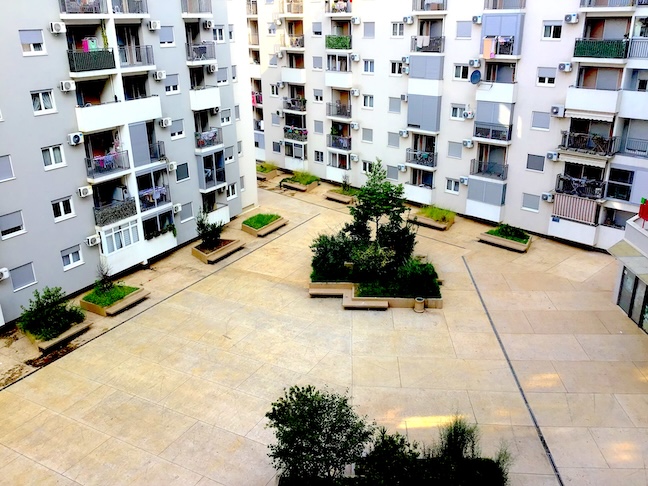
View from our Airbnb balcony
Arriving at our Airbnb apartment in the northern city expansion of Zagoric, we quickly checked in but were unfortunately not very impressed with the cleanliness and smells of the dwelling. Also a unit four floors up with several floors above us, quite often means a lots of neighbor noise. Well this one was worse than we had ever experienced. At all times of the day or night it sounded like someone was moving furniture over a wooden floor and in the dark hours of the early morning, high heels clappered across the floor as if someone was nervously pacing back and forth between the make-up mirror and the coffee maker. Another big nuisance was that nothing was marked with instructions, so when we turned off a bright red light switch in the hallway, we had inadvertently turned off the hot water heater.
Our other grievances are probably pinpointed at the owner’s lack of communication and commitment to the Airbnb process and procedures, as the apartment was nice and comfortable enough and the location was a short taxi ride to the city center, with several restaurants in all price ranges close by, a nice little supermarket, drug stores and pharmacies in the immediate vicinity and great access to affordable taxis and public transportation.
The whole concept of “reviewing” an entire country as if it were an attraction or a business just feels incredibly absurd in my personal opinion, especially when “my honest review” seems to have become online code for irrational complaints these days. You spend literally one sentence discussing the scenery, mountains and sea, (you know, the actual stuff that most tourists are interested in when they go to a place like Montenegro) and then everything else is just complaining about your personal specific grievances. In our opinion, Montenegro is in the beginning of the process just trying to find its way into a “new” world as a small country in a big world. It helps that it’s blessed with some beautiful sceneries, but the fact that its capital city was bombed into smithereens during the last days of World War II leaves little of a historical value and the “new” country is so young that modern infrastructure still needs to be built.
Many travelers apparently treat Montenegro’s capital Podgorica as a transit stop between the coast and the mountains, which is a bit unfair as the city deserves some consideration as a new wave capital city offering some interesting cultural past mixed with modern efficiencies. A free walking tour is one of the best ways to find this. The shortest routes take around 90 minutes and cover what’s left of the Ottoman old town and new city center.
Podgorica’s History
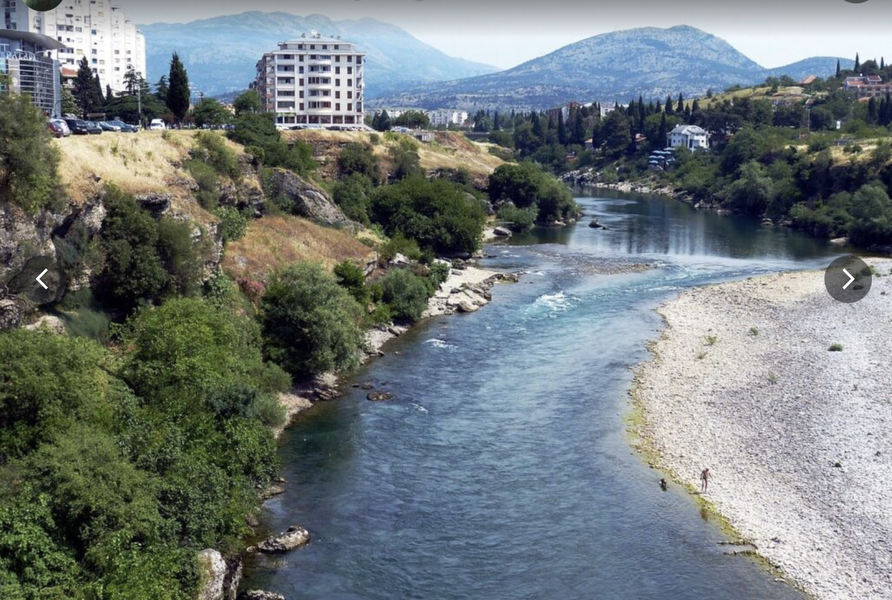
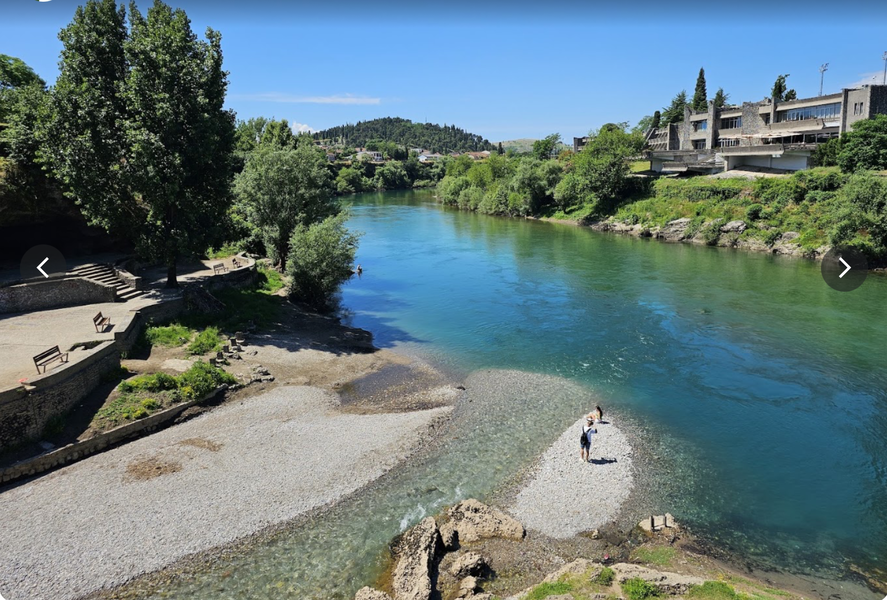
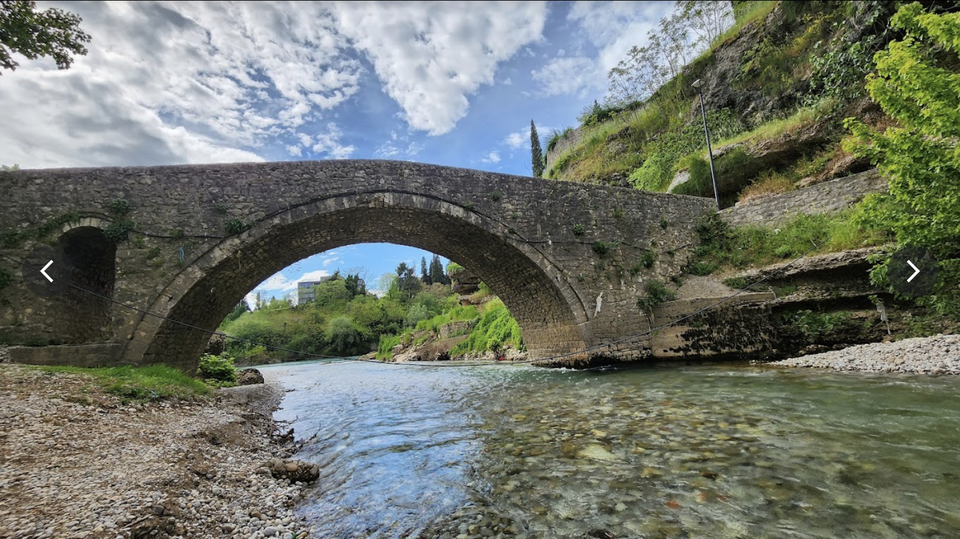
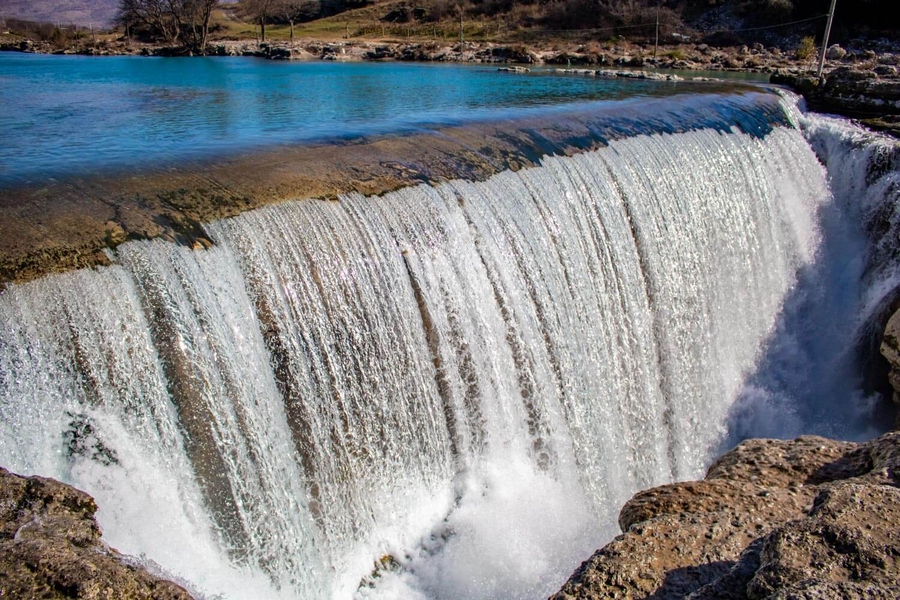
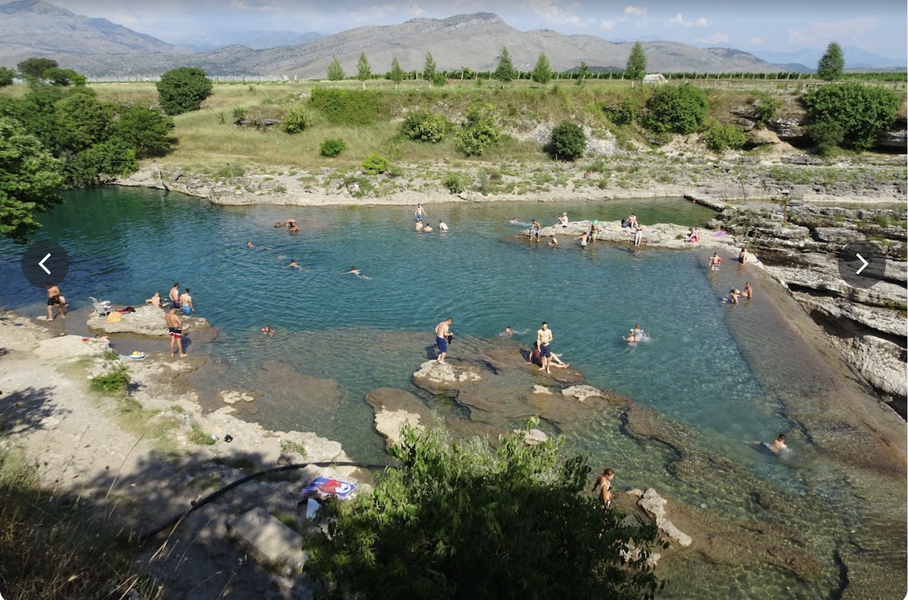
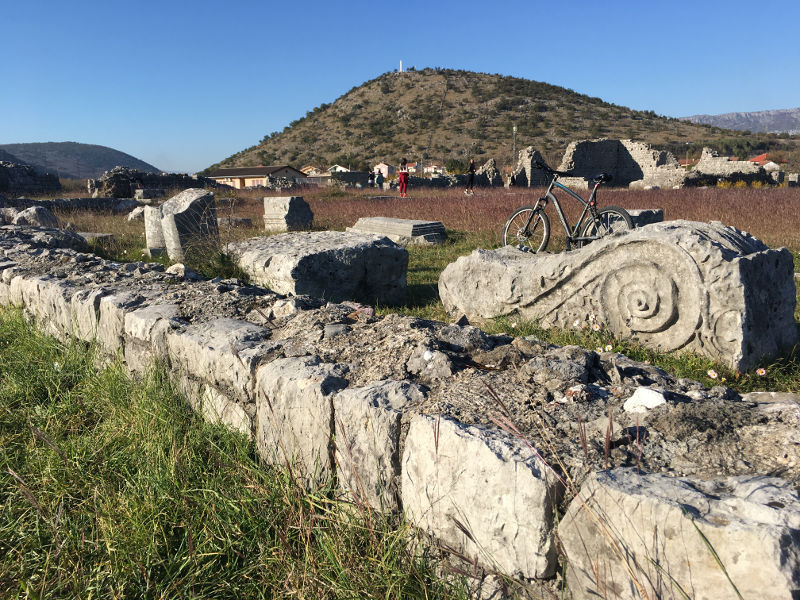
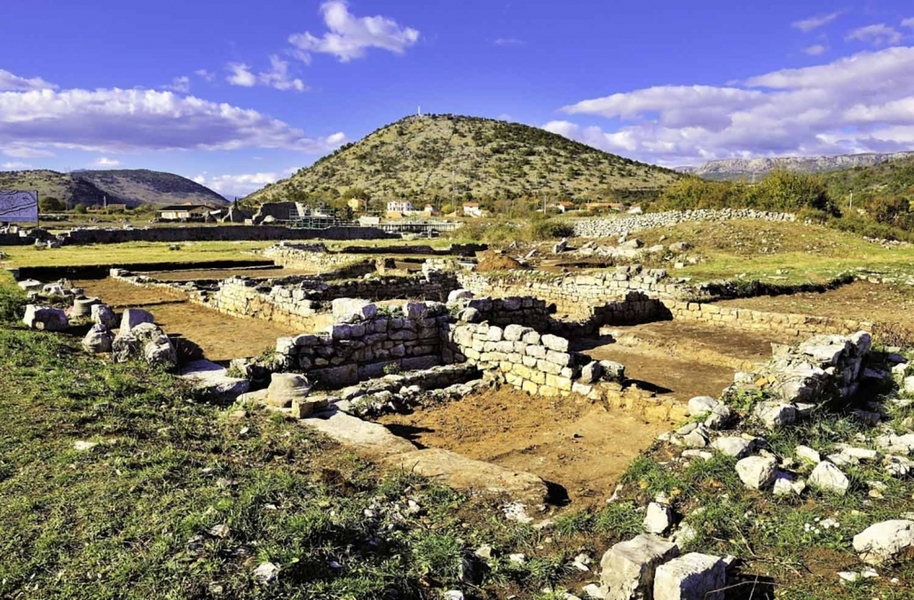
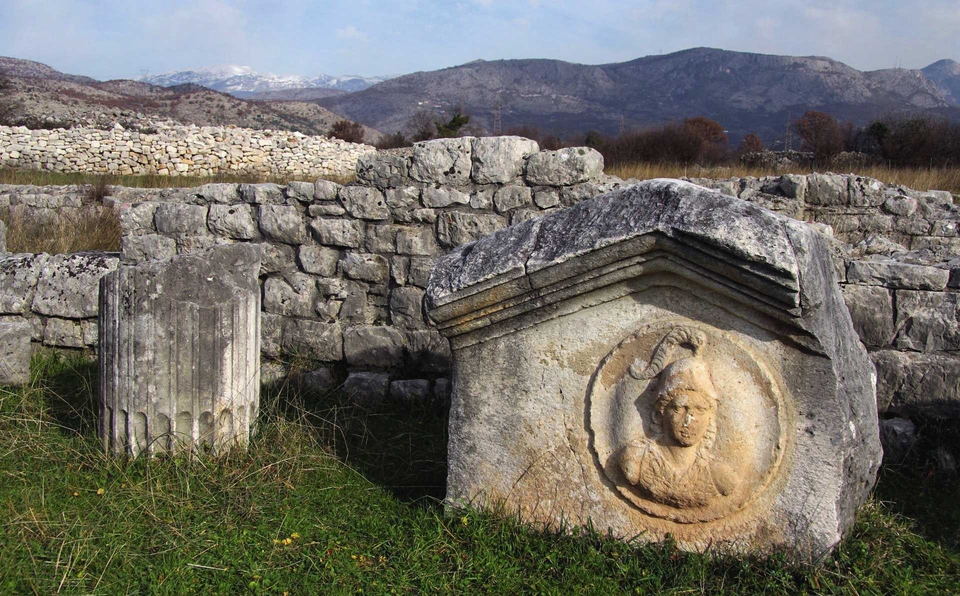
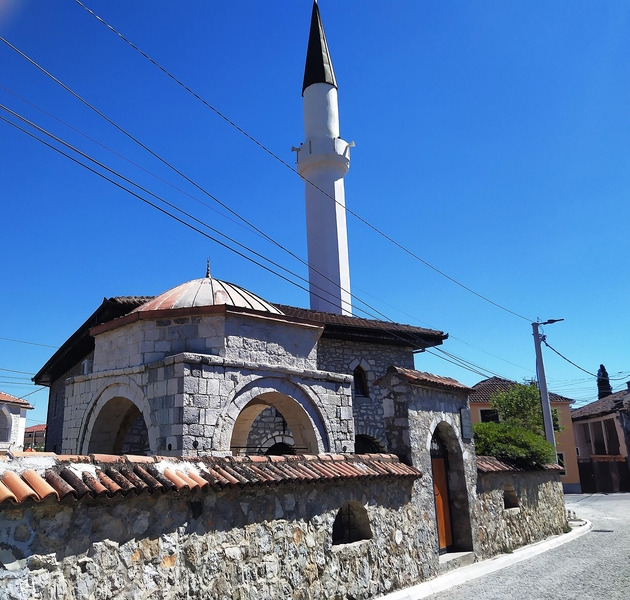
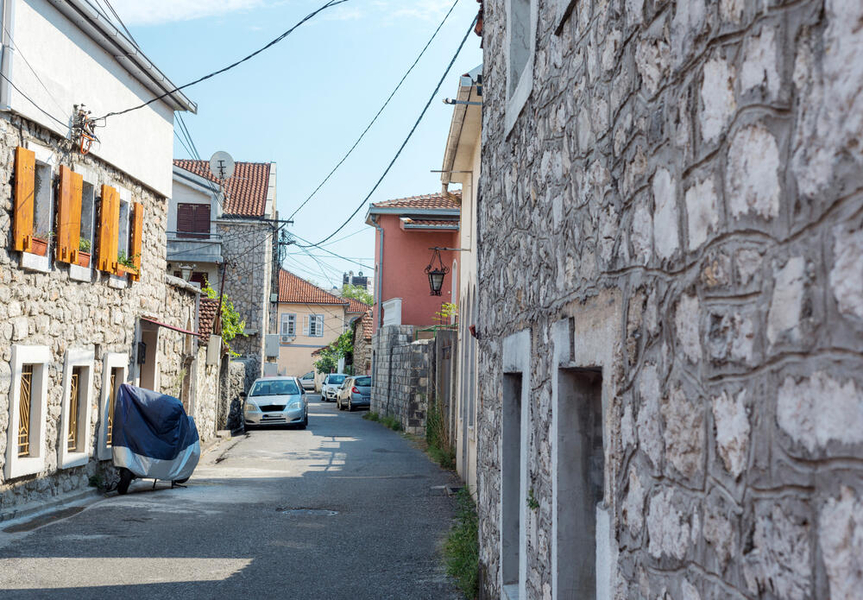
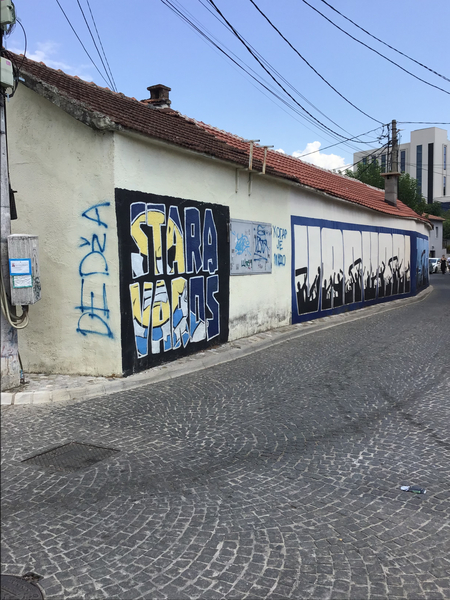
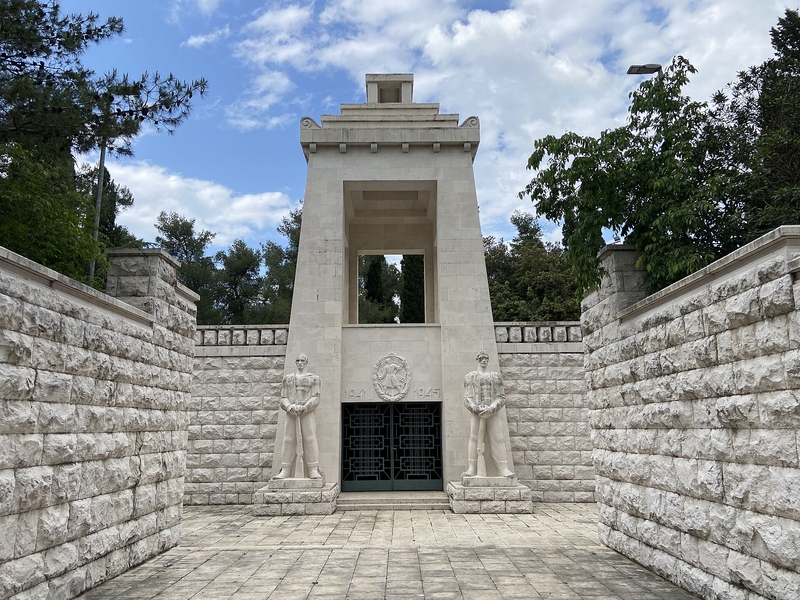
Podgorica has carried several different names since the Romans named it Birziminium. In the 12th century it was named after the local river Ribnica and in 1326 it was first recorded as Podgorica, meaning “under the little hill Gorica”. Podgorica was bombed more than 70 times by the allies in the final days of World War II, as it was claimed to be an important supply center for retreating Germans, at least according to the Yugoslav Partisans who asked the allies for the bombardments. 90% of the Old Ottoman city was destroyed, so today it offers a strange mixture of modern architecture with semi high rises, some communist area apartment buildings and a small old town (Stara Varos) almost nonchalantly flung right in the center of it all. As a sign of respect for partisan leader Marshall Josip Tito, who created the Yugoslav nation after WWII, the city’s name became Titograd until 1992, when the Balkans got rid of communist control. Yugoslavia incorporated the six former socialist countries: Serbia, Croatia, Slovenia, Bosnia & Herzegovina, Montenegro and Macedonia.
After 1992 they all returned ( some of them through violent warfare) to independent democracies, adding a seventh one Kosovo, which actually incorporated Montenegro until 2006, when it became independent.
Our plans had involved several trips around the small nation, which has a beautiful, mountainous countryside and some amazing old beach towns. A couple of reasons why that didn’t happen. The continuing high temperatures above 100°F and the resulting forest fires that produced a miserable air quality, not conducive to much walking and discovery.
Instead we went into the city on two different occasions and explored a bit and spent other days to learn about the Adriatic shore attractions via the internet.
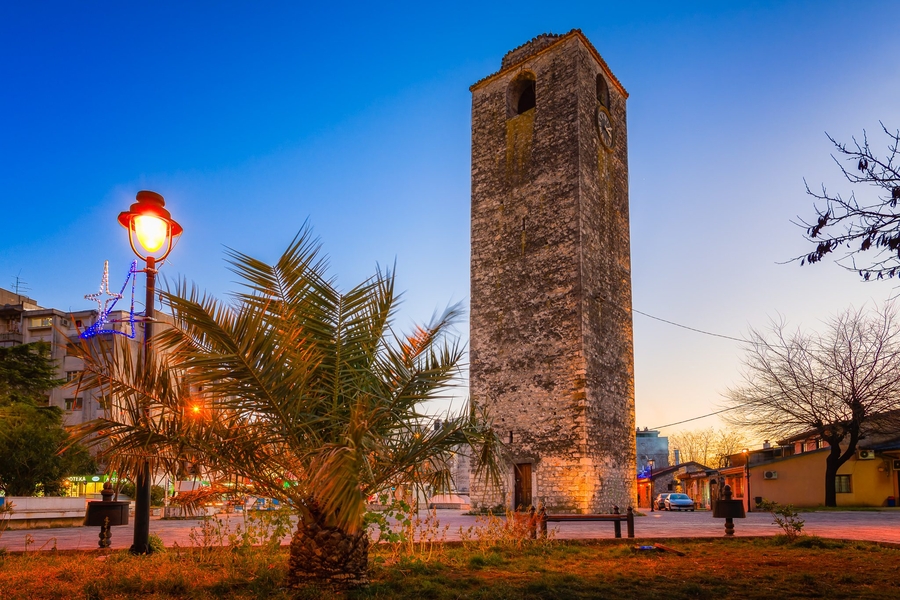
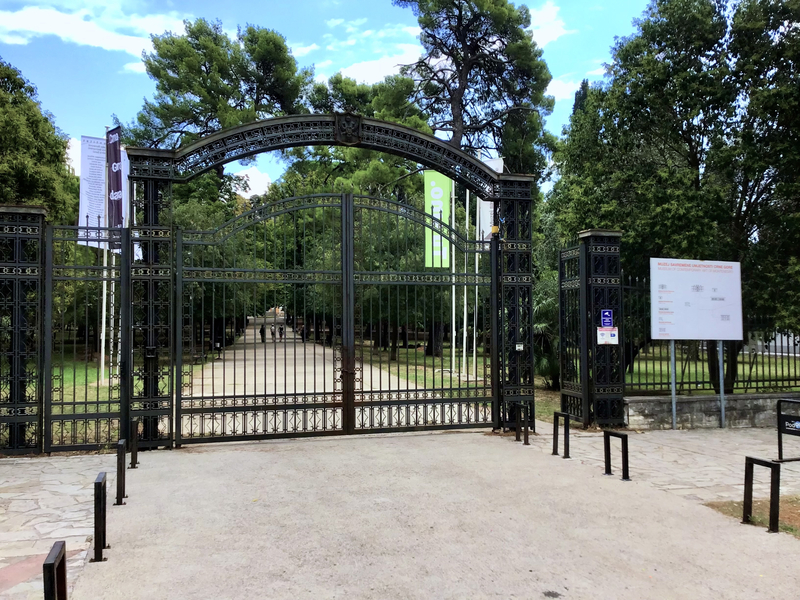
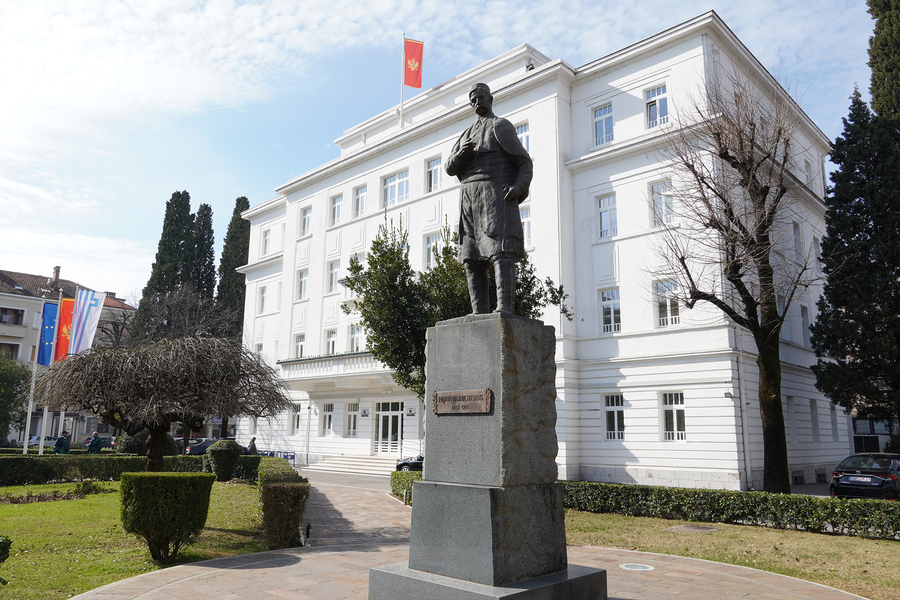
The first taxi ride into town took us to the medieval clocktower (abt $3 ride) from where we walked into Old Town (the old Stara Varoš neighborhood), along the river road toward the Union Bridge. Crossing the bridge we noticed on the left some heavy construction going on at the Embassy of the United States, with lots of security personnel and signs that informed us of “No Pictures”. We smiled at the guards and walked on as the pedestrian path took us away from the Boulevard of the Revolution towards a series of parks and a number of government offices and the main University hospital.
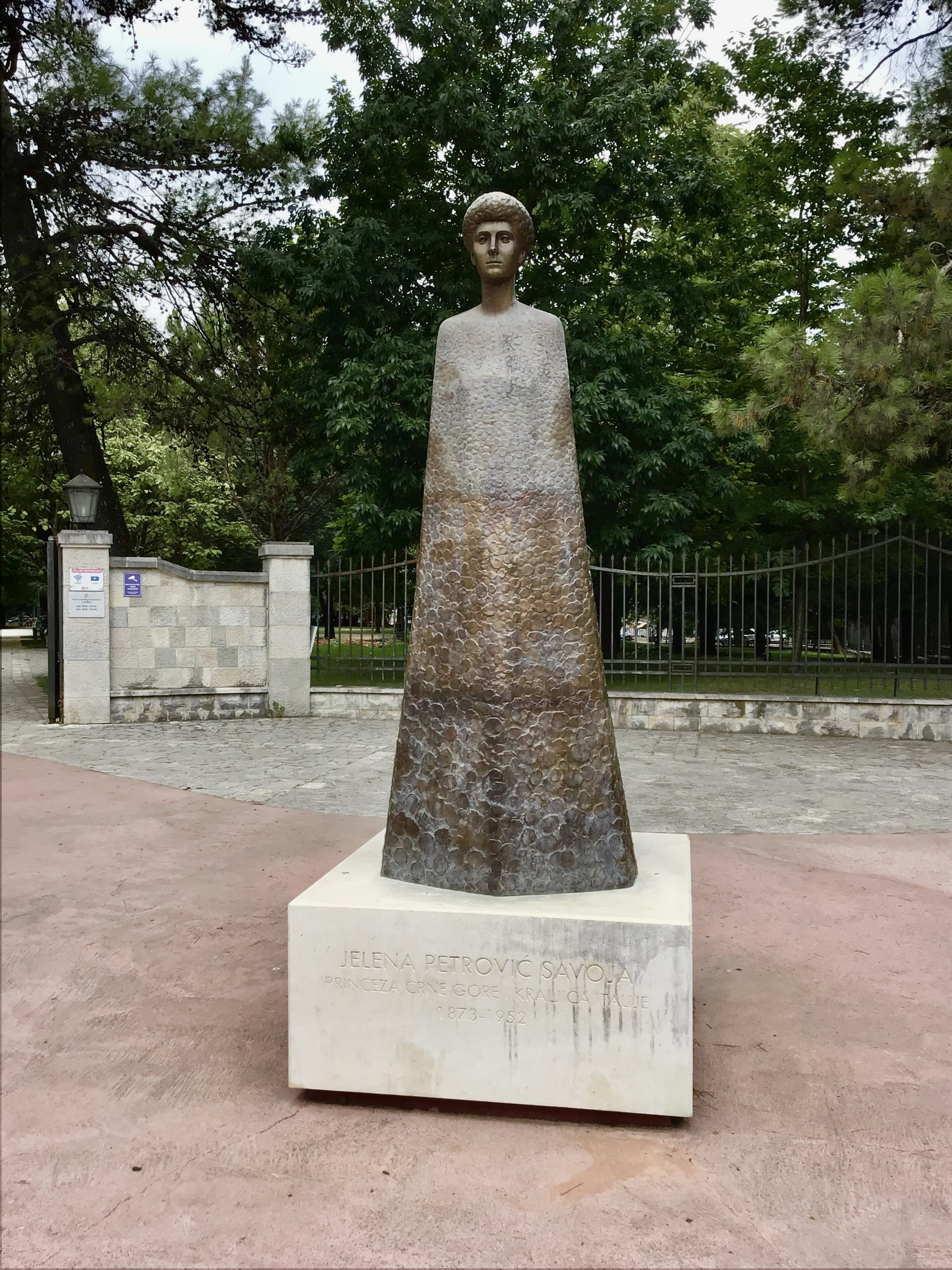
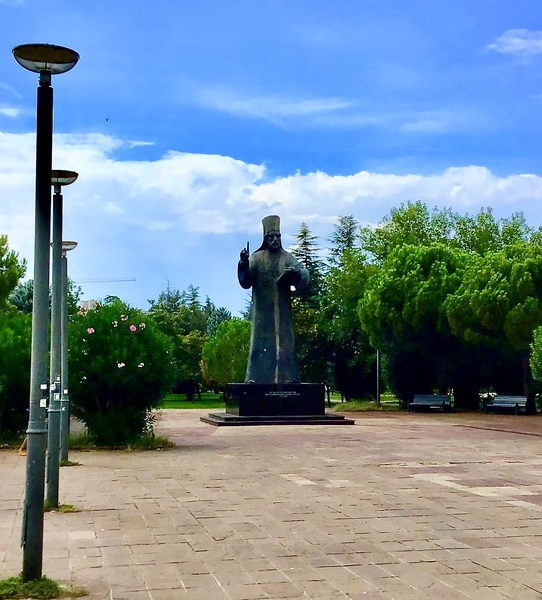
Statue of Jelena Petrovic Savoy, wife of Victor Emmanuel III and Queen of Italy
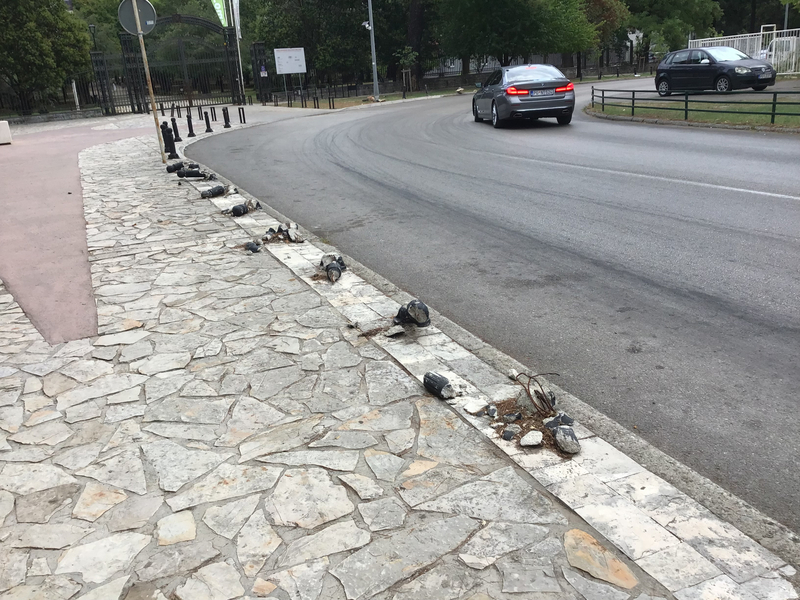
There was a curious bend in the road that confirmed what many had warned us about: that Montenegrins are bad drivers. The curve misses quite a few chain posts as the picture shows. In the square is a statue of Jelena Petrović-Njegoš, the sixth child of King Nikola I, and later married Italian King Victor Emmanuel III to become Queen of Italy from 1900 to 1945.
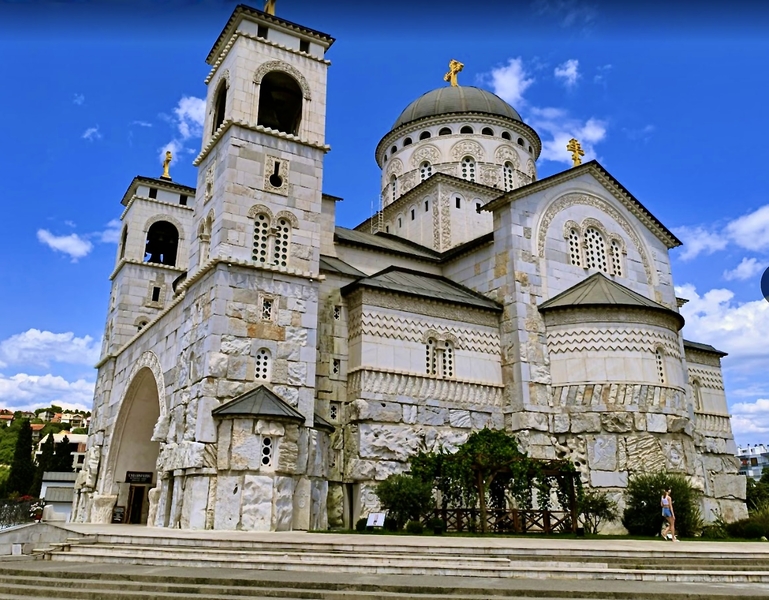
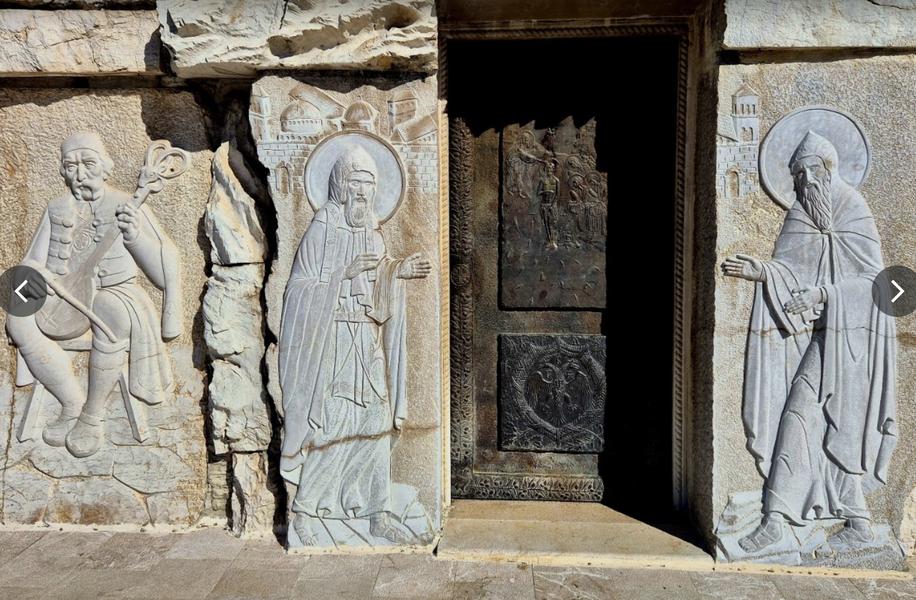
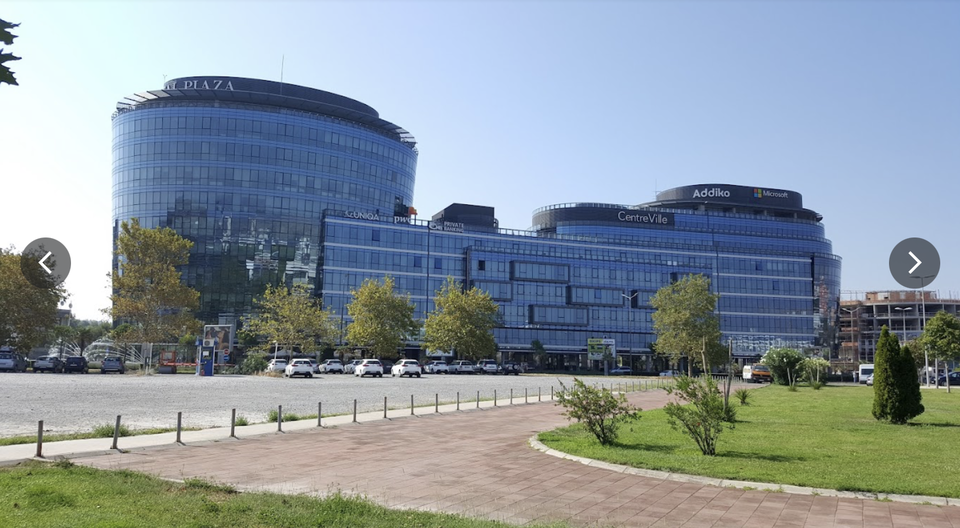
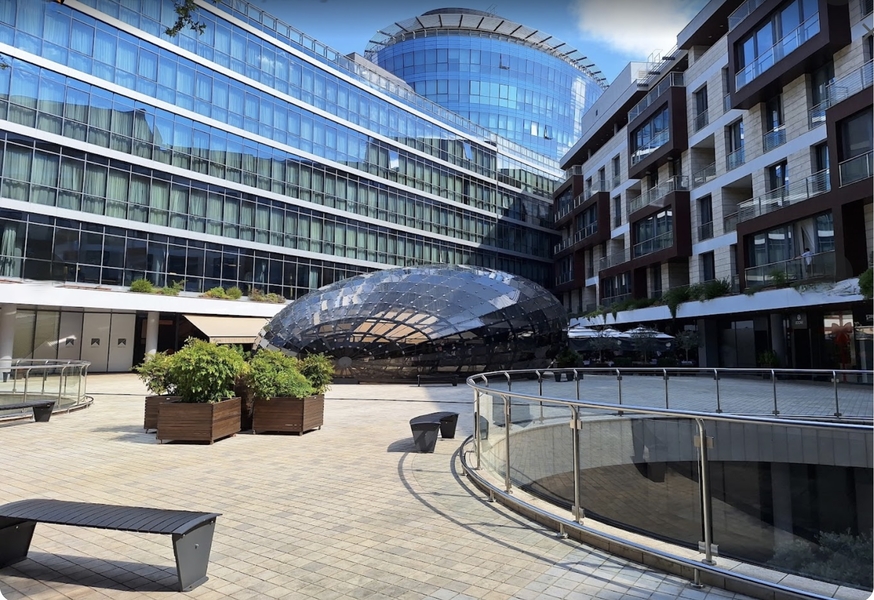
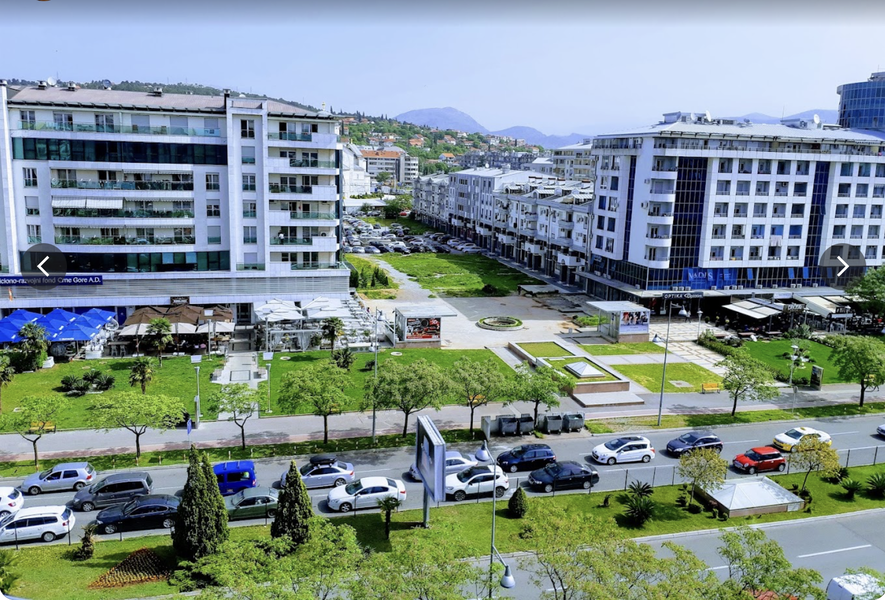
We continue our walk on until we see the Capital Plaza in the distance, where we take our first refreshment break. Walking around in this multi purpose complex Han has a momentary flashback to Atlanta, Georgia architect John Portman in the 1980s and his work in downtown Atlanta from those days. Very modern and utilitarian, with lots of glass. It shows that Podgorica is a city with old roots, before it was opened up by the allied bombardments during the last phase of World War II. Pretty much like Rotterdam in the Netherlands or Leipzig in Germany. Not much left of the old cities. As we keep on walking a bit down the street into a wide open field we see the massive Cathedral of the Resurrection of Christ, built between 1993 and its consecration in 2013.
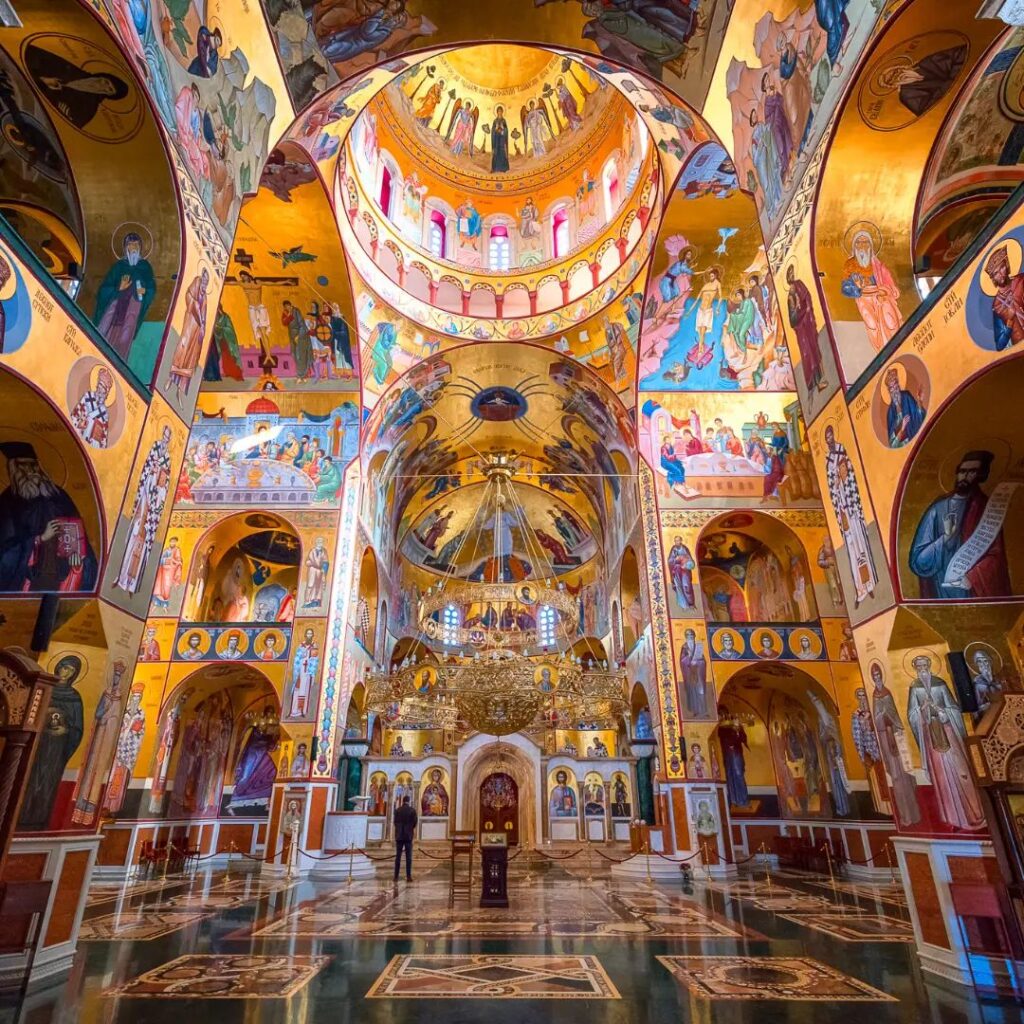
Inside the orthodox Cathedral of the Resurrection of Christ
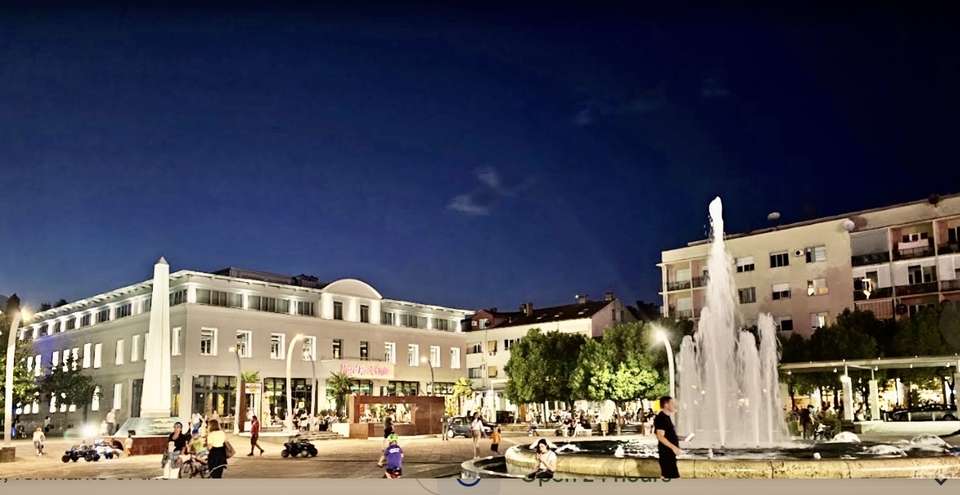
Further on the agenda are a visit to two adjacent shopping malls a late afternoon dinner at Walter’s, a walk to INDEPENDENCE SQUARE and finally a taxi home. This last one was easy, even in a country where the language does create some confusion and misunderstandings. But…we only had to mention Gastro Pub-Restaurant Protokol, which was located in our building and everyone knew where it was. We ate there at least a handful of times and every time was delicious, large portions and very affordable prices. Possibly the best Caesar Salad variety ever. For cheaper, local food varieties we had Moloko and Stella Cucina for take out, both in the apartment building as well.
On the topic of food we made several observations in the Balkans. First of all Pizza is apparently on every restaurant’s menu. Furthermore regular lettuce was almost impossible to get, both in restaurants and supermarkets and most restaurants offered an international cuisine menu with lots of stew/casserole choices. Excellently flavored however.
Our second trip downtown was a week later when TJ wanted to visit a secondhand store in downtown, close to the restaurant and nightlife quarters in the city center.
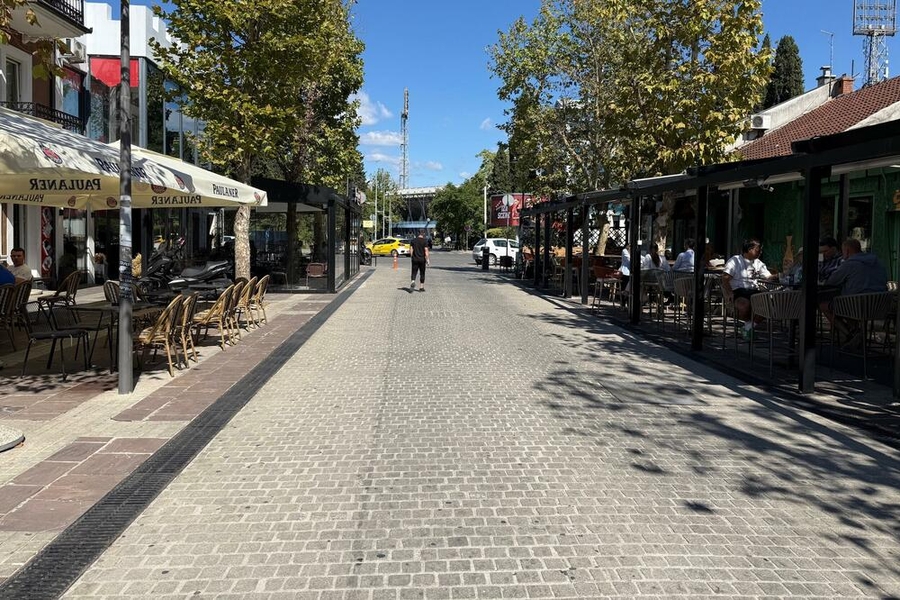
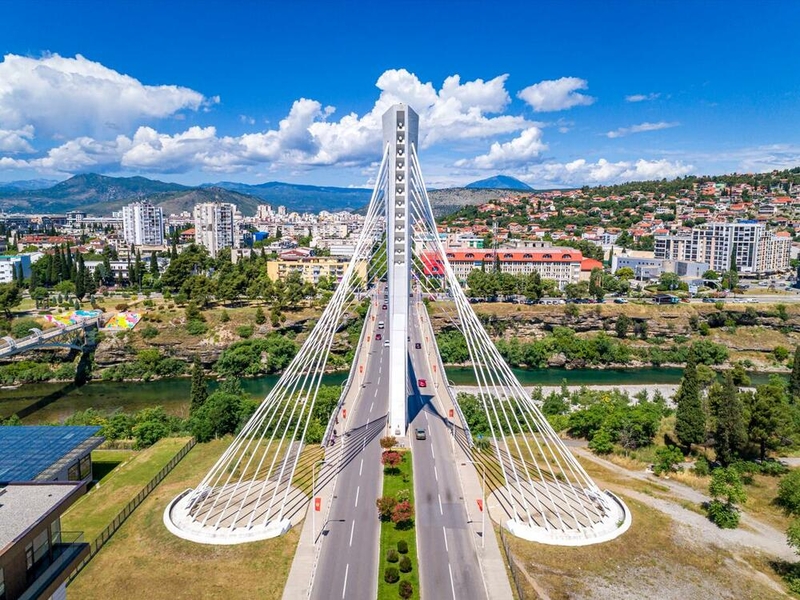
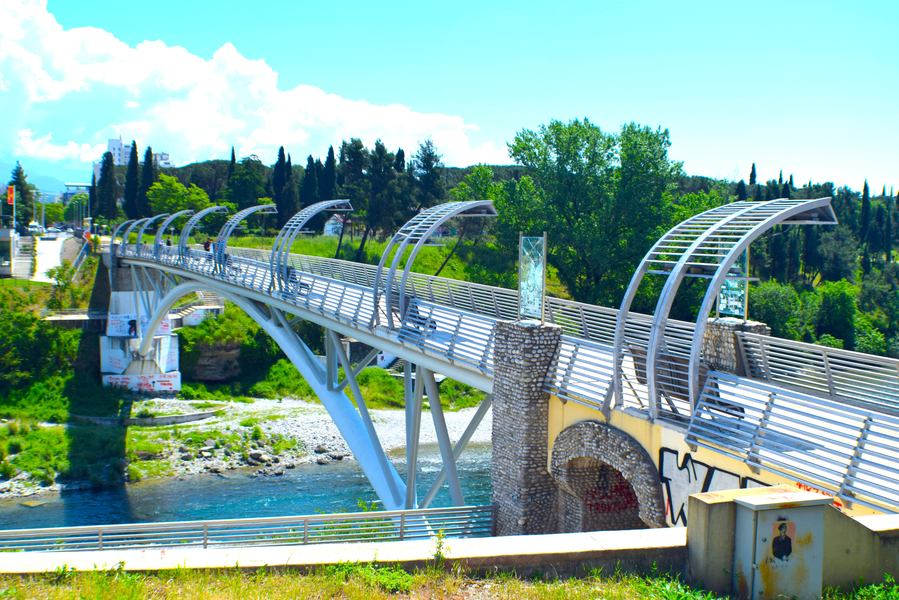
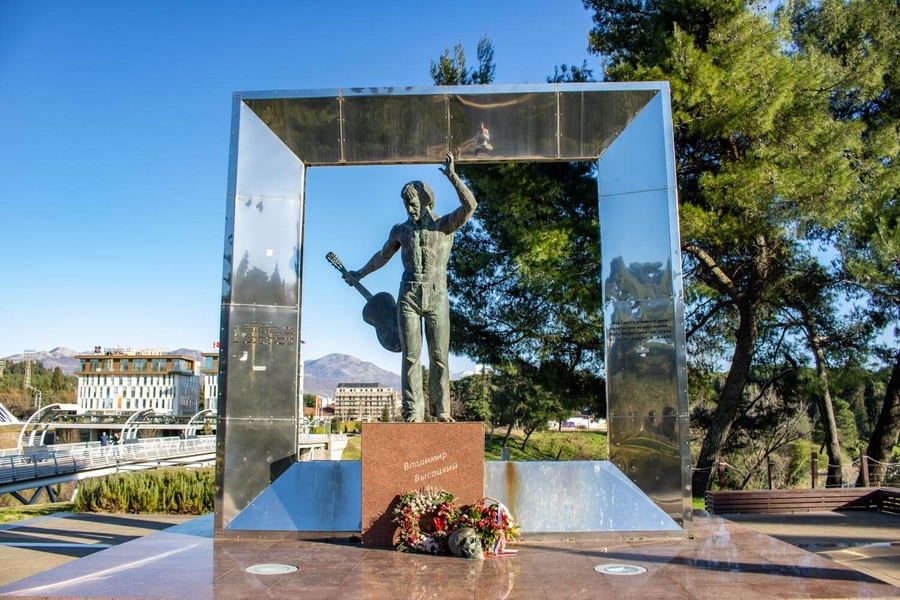
From the store we walked through the quaint pedestrian tree-lined lanes until we found a cool terrace for refreshments on Njegoseva Street. People watching, even in Montenegro’s capital is a pleasant time pass. A little while later we crossed the Millennium Bridge over the Morača River, as TJ had made a late afternoon surprise reservation at Marsala Art, the city’s best Indian Restaurant, for an authentic dinner experience. (Note: While walking directly on the Millennium Bridge is completely permitted and safe, many visitors also recommend the nearby pedestrian-only Moscow Bridge (Moskovski most) just parallel to it for a quieter stroll and a full photographic view of the Millennium Bridge structure itself, which opened in 2005.) The bridge has become a symbol of Podgorica’s modernity and progress. On the other side of the river we found the playful statue of Russian poet-singer-songwriter Vladimir Vysotsky, who visited Montenegro in the 1970s and wrote a famous poem/song expressing deep affection for the country.
The surprise at Marsala Art was exactly as described: a wonderful treat to the palate and a true Indian experience. Our taxi driver back home was a friendly, talkative chap who had lived in Rimini, Italy for 22 years, mainly during the Balkan years of chaos and violence in the 1990s. and had close friends and even family in the Netherlands.
We had wanted to visit the “Niagara Falls” and water rapids south of the city, together with the famous Monastery, but were told that the consistent high summer temperatures had dried up a lot of the river flow, so the falls were not really impressive to actually non-existent.
Other plans had included day tour visits to Kotor and Budva near the Adriatic shorelines, but somehow this summer was not conducive to traveling around a lot during the ongoing heat waves. At one point we couldn’t even seen Little Gorica mountain from our apartment balcony through the wildfire smoke. So we settled in to living like the locals. Air conditioned and with a stocked refrigerator. Just grateful for good internet as we could do a lot of searching and learning and writing.
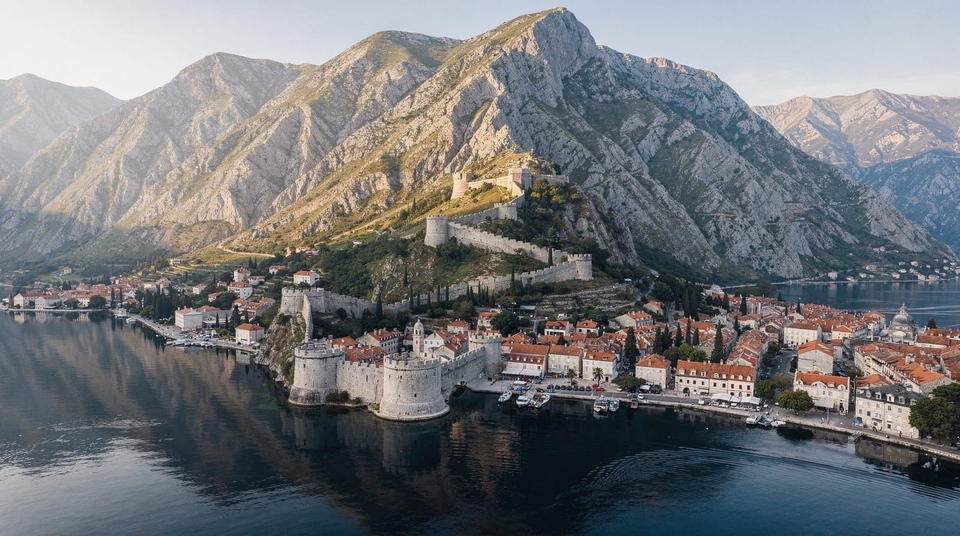
Kotor
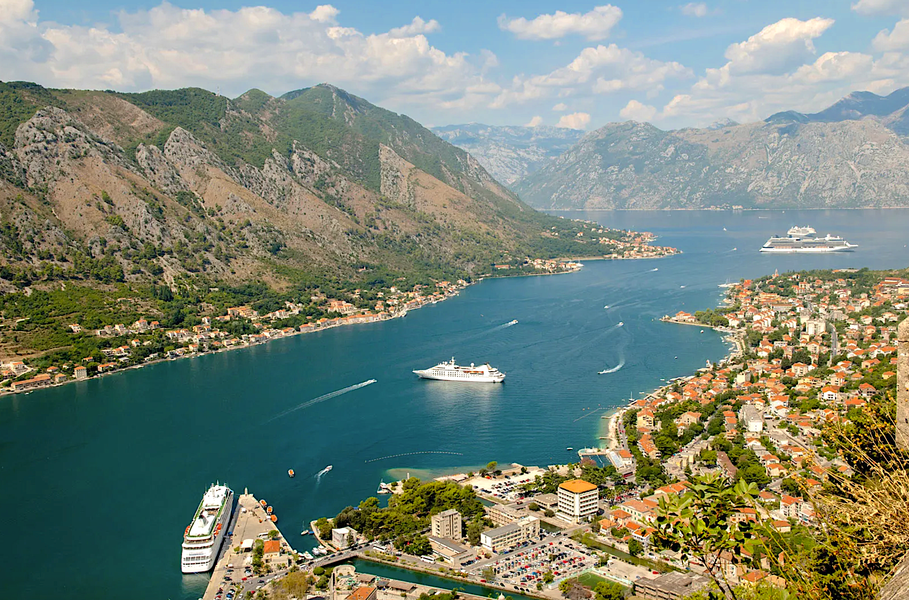
Bay of Kotor, Montenegro
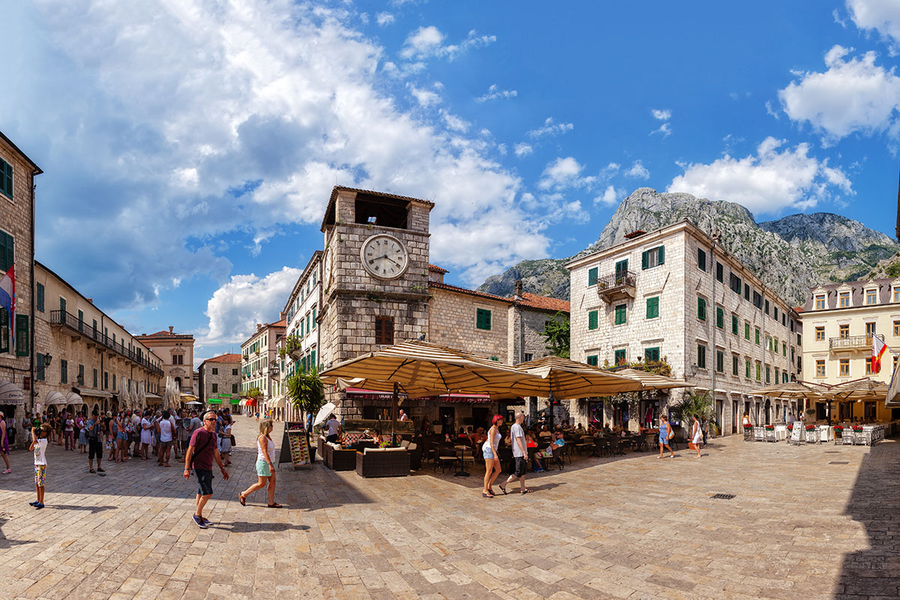
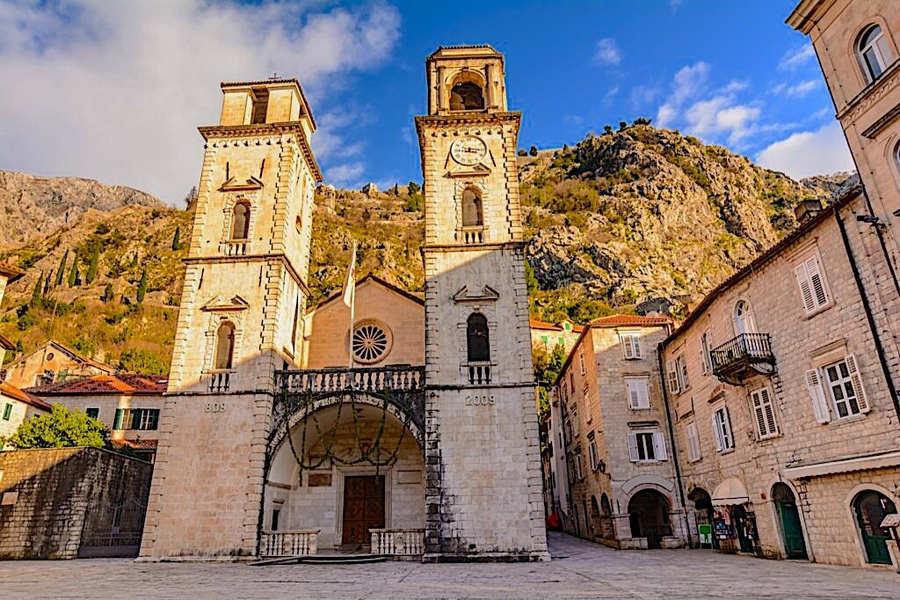
Kotor is a traditionally fortified town on Montenegro’s Adriatic coast, in a bay near the limestone cliffs of Mt. Lovćen. Characterized by winding streets and squares, its medieval old town has several Romanesque churches, including Kotor Cathedral. It’s also home to a Maritime Museum, which explores local seafaring history. Sveti Đorđe, one of 2 tiny islands off the ancient town of Perast, features a centuries-old church.
Kotor is generally considered nicer for history, dramatic fjord-like mountain scenery, and a romantic medieval atmosphere. Kotor and the Bay of Kotor are a UNESCO World Heritage site, recognized both for its history and for its geography (Kotor is one of three UNESCO sites in Montenegro and the only UNESCO site along the coast). Kotor offers a nice visit but it is also a harbor for cruise-ships. I have no problem with people vacationing on; we have done quite a few ourselves. Most port of calls are well equipped to handle thousands of cruise visitors a day, but some towns suffer from these masses. Kotor seems to be one of the towns that suffers. The problem is that these cruise-ships not only bring people but also excessive money to town, which rather quickly destroys the attraction.
Kotor is still widely considered the most beautiful town in Montenegro due to its dramatic fjord-like bay and well-preserved medieval old town.
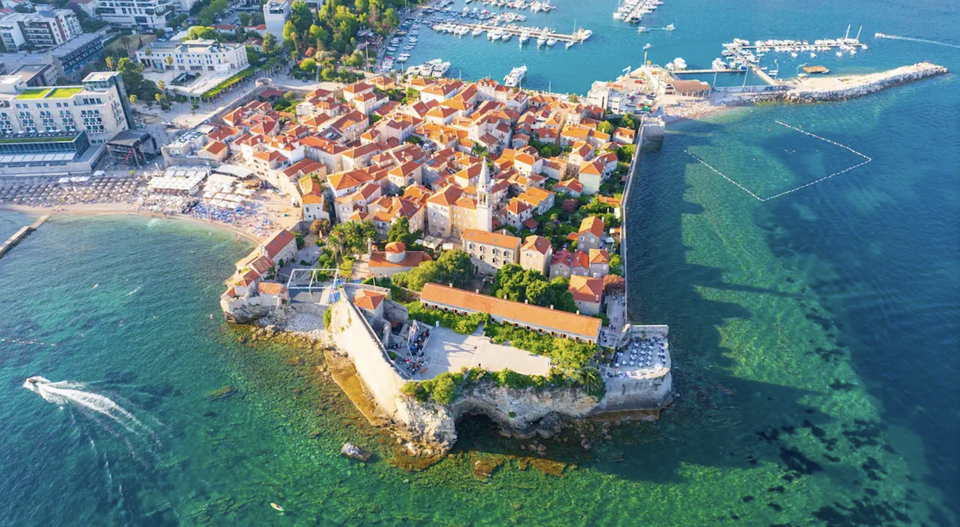
Budva
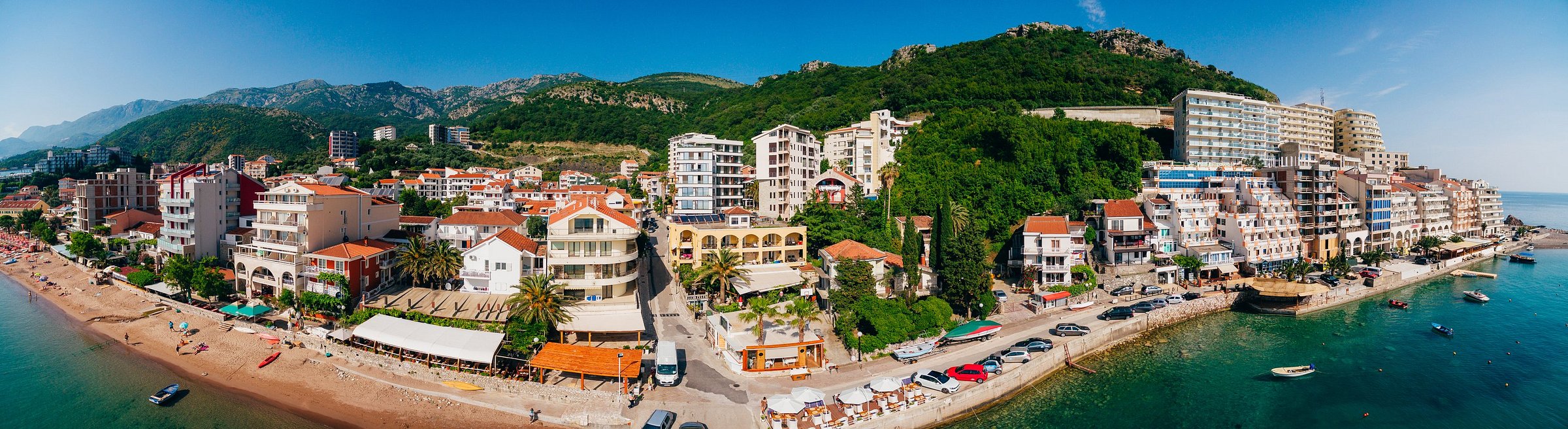
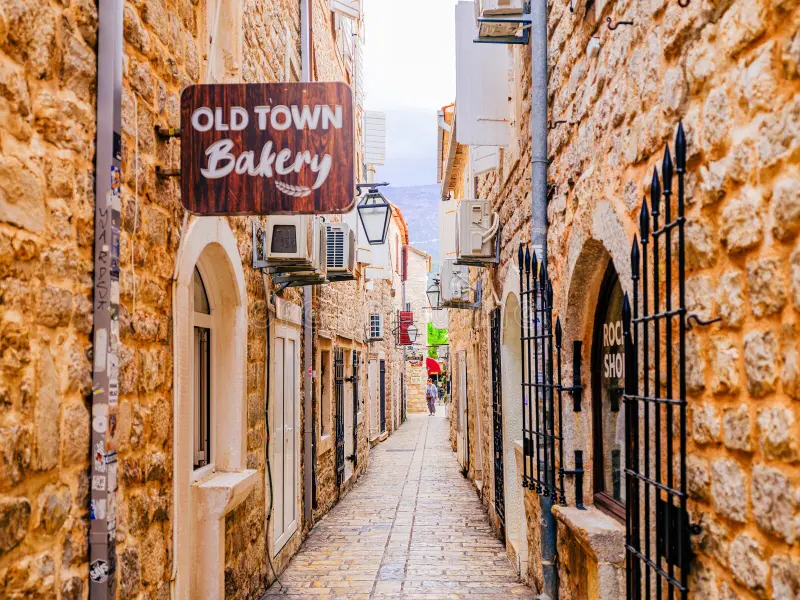
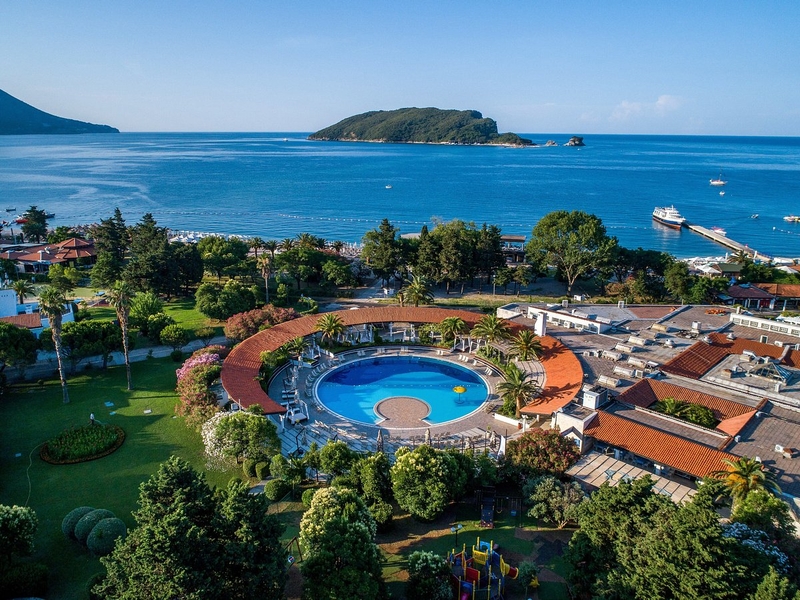
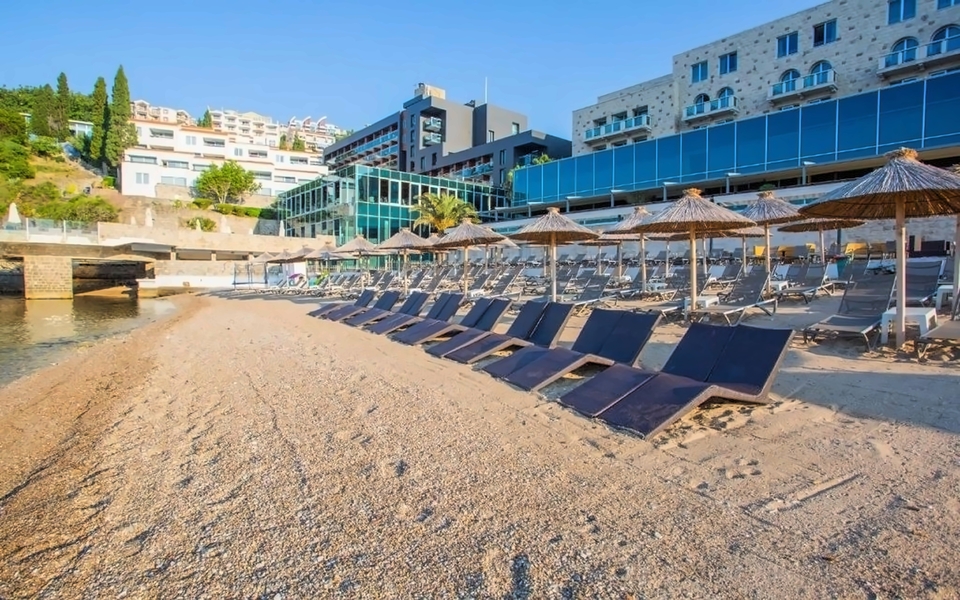
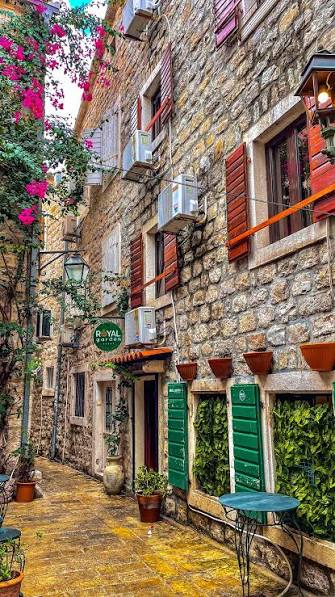 Budva is the true resort town in Montenegro on the Adriatic Sea. Part of the Budva Riviera, it’s known for sandy beaches and extended nightlife. Stone walls built by the Venetians surround the narrow streets of the medieval old town (Stari Grad). This historic district is home to a seaside citadel and religious sites such as the Church of Santa Maria in Punta, established in the 9th century. Budva is considered nicer for sandy beaches, nightlife, and a classic resort vibe as many Mediterranean Sea resorts possess.
Budva is also quite built up. The whole bay is lined with an array of high-rise hotels: some super fancy, some on the decrepit side. Large yachts are usually moored in the marina next to the old town. For a lot of people Budva might be their dream vacation: the weather is nice, there are lots of sandy beaches (most beaches in the Balkans are rocky). There are tons of cafes and restaurants, lots of high-end stores where you can shop. There’s an Aquapark and a few large casinos. If you like all those things you’ll love Budva. Explore the old town and visit the Citadel. The views from the top are the highlight of the old town and worth the 5 Euro admission.
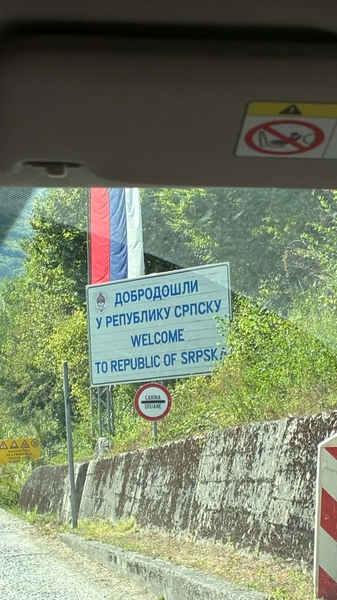
Our Daytrip Departure to Sarajevo, Bosnia
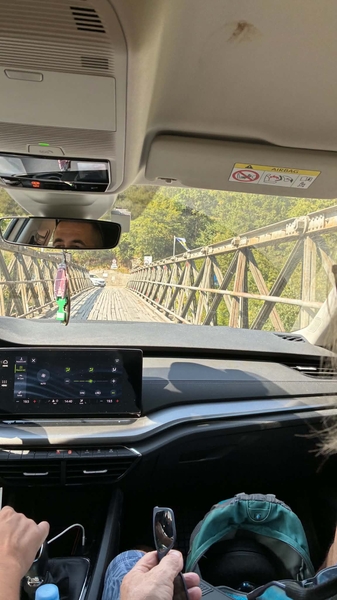
Vladimir was our DayTrip driver to East Sarajevo. 37 years old, born and raised in Montenegro on a farm outside Podgorica and set to get married on November 17. DayTrip has become our favorite mode of transportation when it comes to travel between adjacent countries. You learn a lot from the drivers and how they negotiate life in their respective countries. Vladimir was an absolutely great driver and friendliest chap we have met sofar. The 5 hour trip with him was amazing although a bit much for TJ who had claimed the backseat for this trip through the mountains.
Getting out of Podgorica we noticed that there was a lot of police activity on the road north. Turned out that there had been a shooting in north Podgorica where a Russian emigrant had taken the gun from a shooting range and shot three people before killing himself. Tragedies happen everywhere these days, at least this one had no connection to visitors.
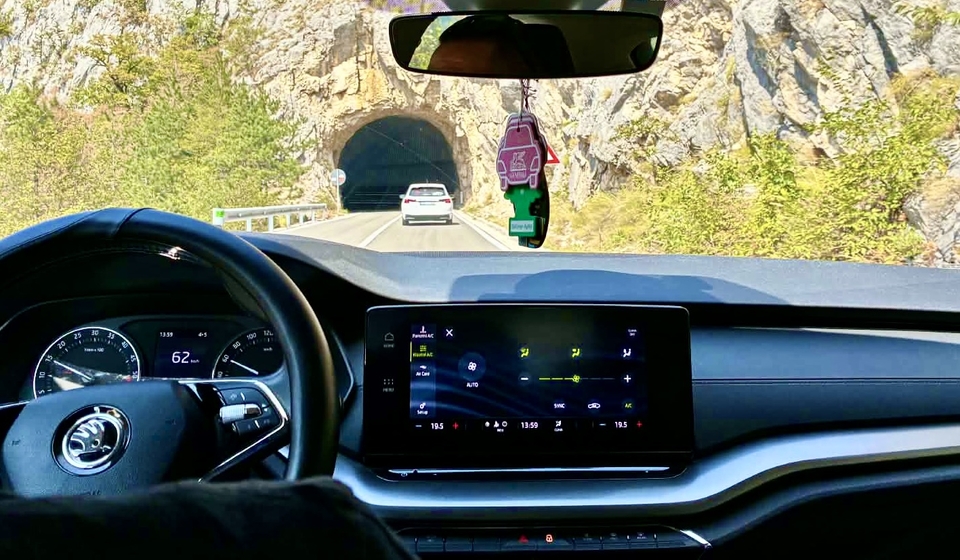
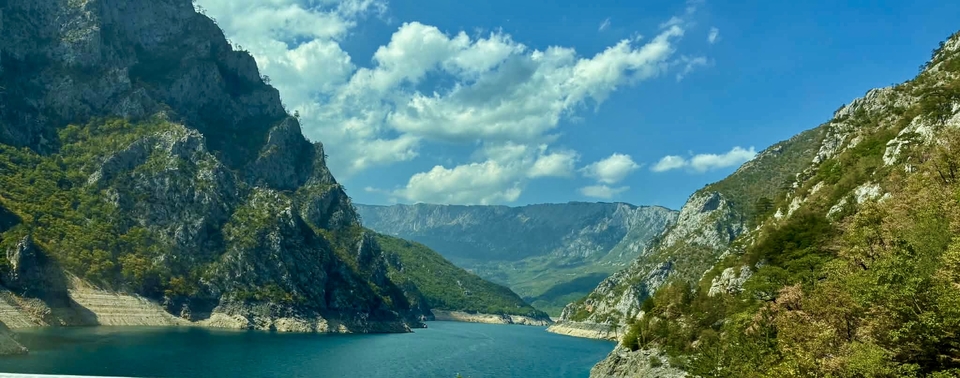
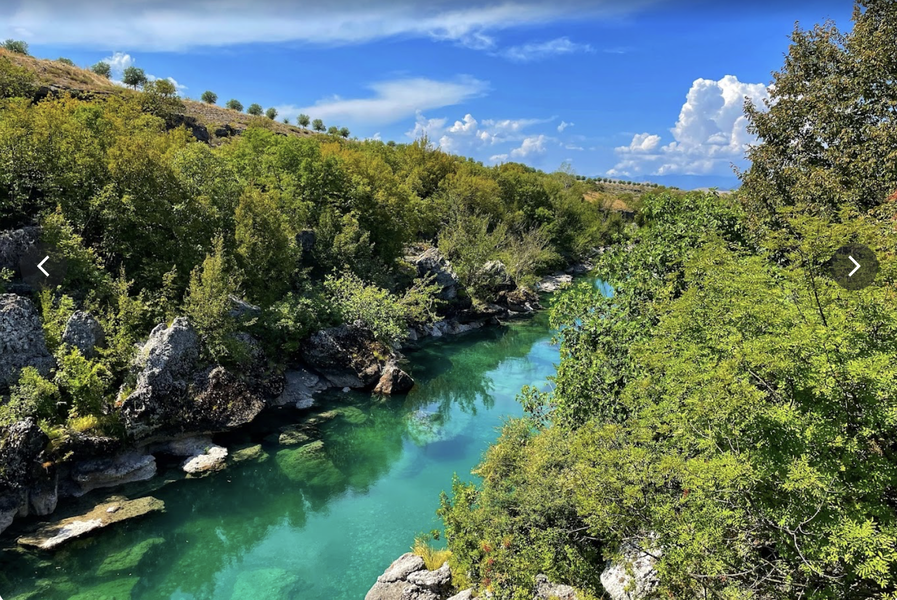
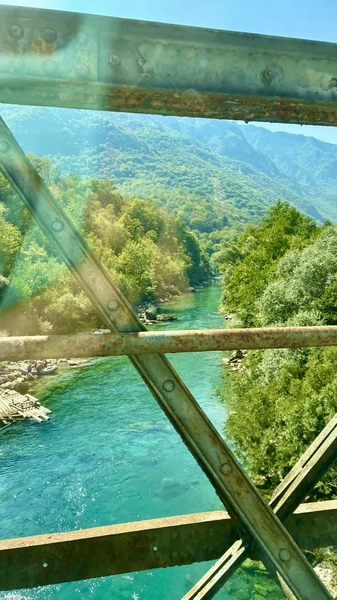
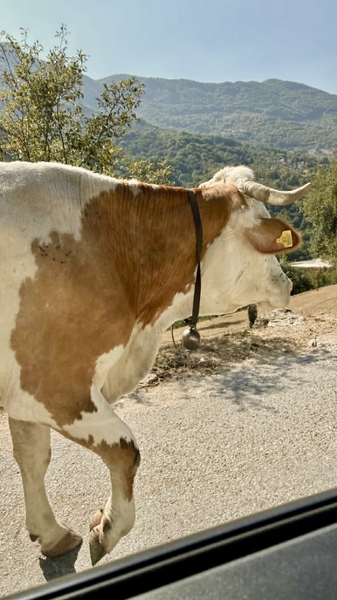
After this we took to the mountains-about 230km for a 4-1/2 hour drive with a lunch stop near the Bosnian border. If you like mountain roads with lots of tunnels, lakes and a magnificent Tara River Canyon – the deepest in Europe they claim – with lots of rafting and mountain climbing, then this is your paradise. Clearly it was not TJ’s, who at one point whispered in desperation: “I will never take this road again”.


Recent Comments