Nashville offers more than just BBQ

In-N-Out Burger in Lebanon,TN

After completing our last season as managers at the Beaver Island Lodge, we were exactly back where we were 10 years ago when I wrote the story “Wide Open Spaces Ahead of Us”. Our first trip then was also to Nashville, where Han’s oldest friend in the US had moved to.  Sadly Ric passed away a couple of years ago, so now we visited Kay his widow in Brentwood TN, a suburb of Nashville, for almost a month in Dec/Jan of 2026. This is also our last trip south in our trusty Nissan Murano which we purchased exactly 10 years ago. And the end of this trip she goes to another dear friend, while we take a transatlantic cruise over to Europe for an extended stay. But first some travel impressions from this last north-south trip.
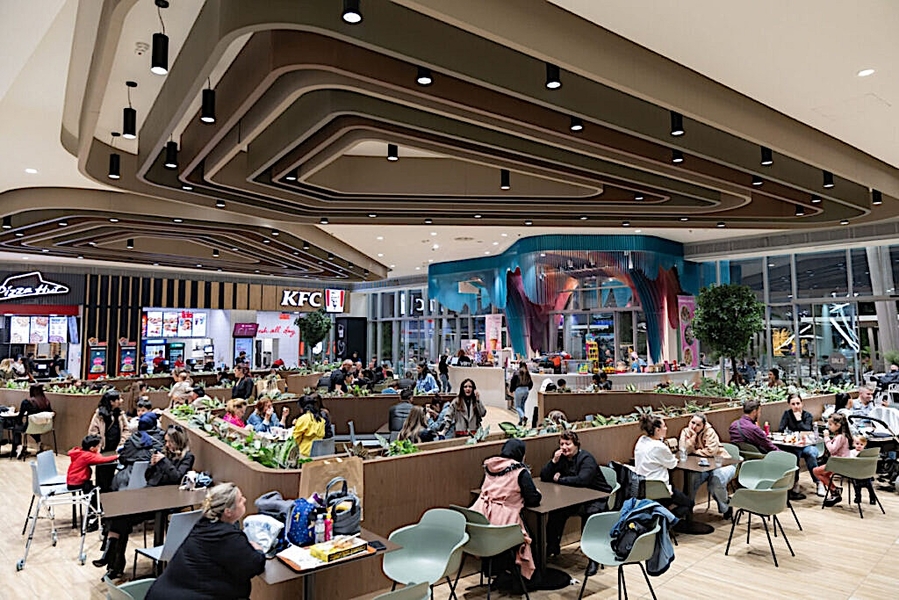
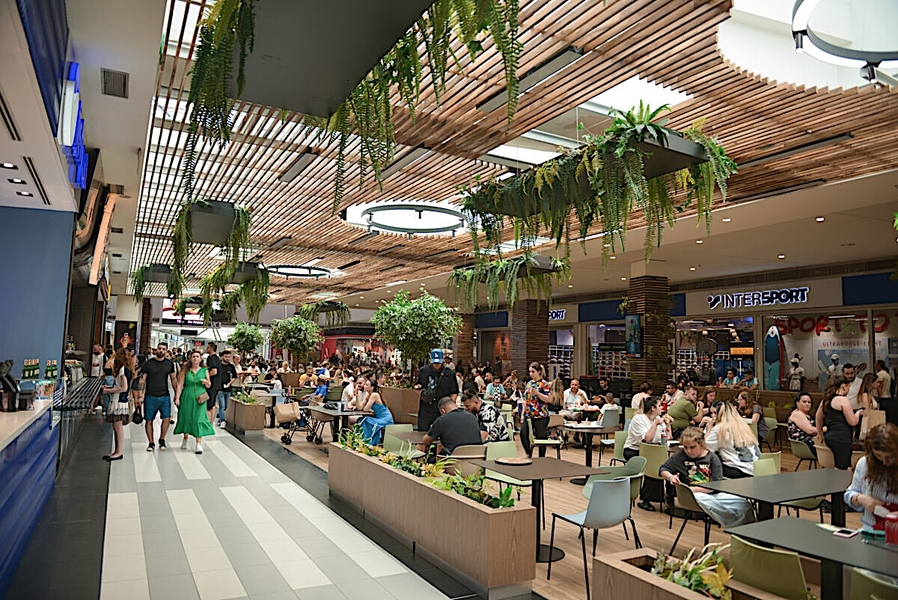
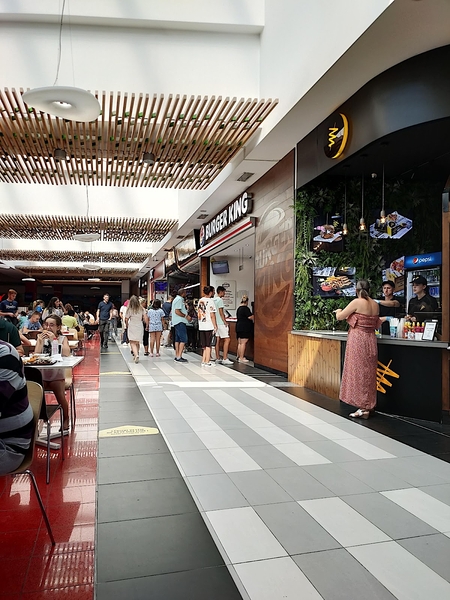
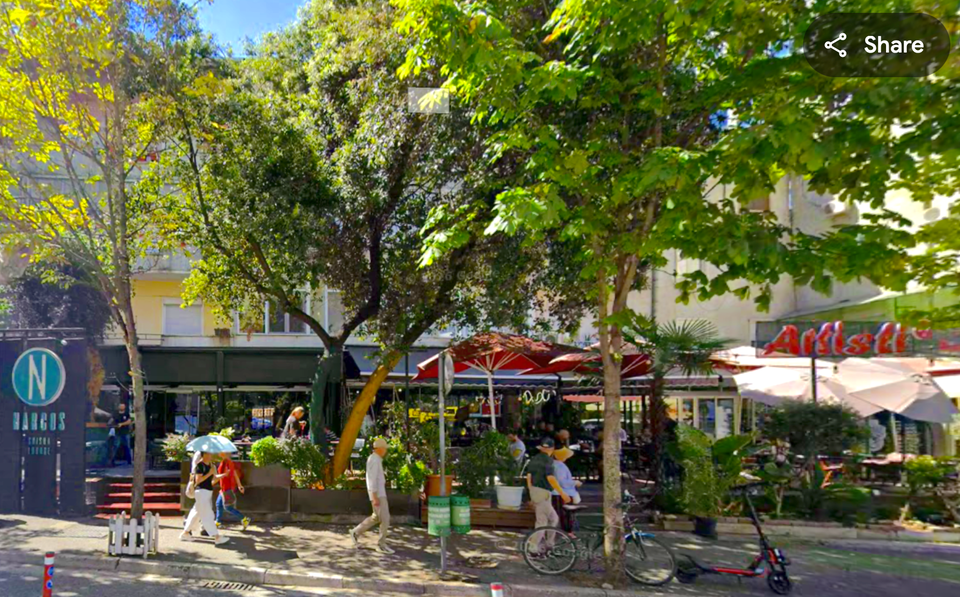
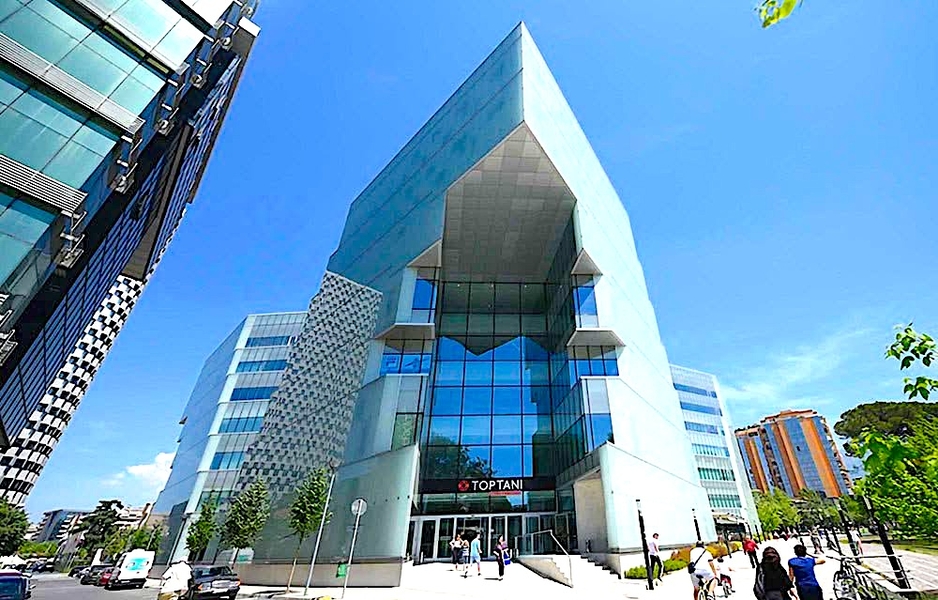
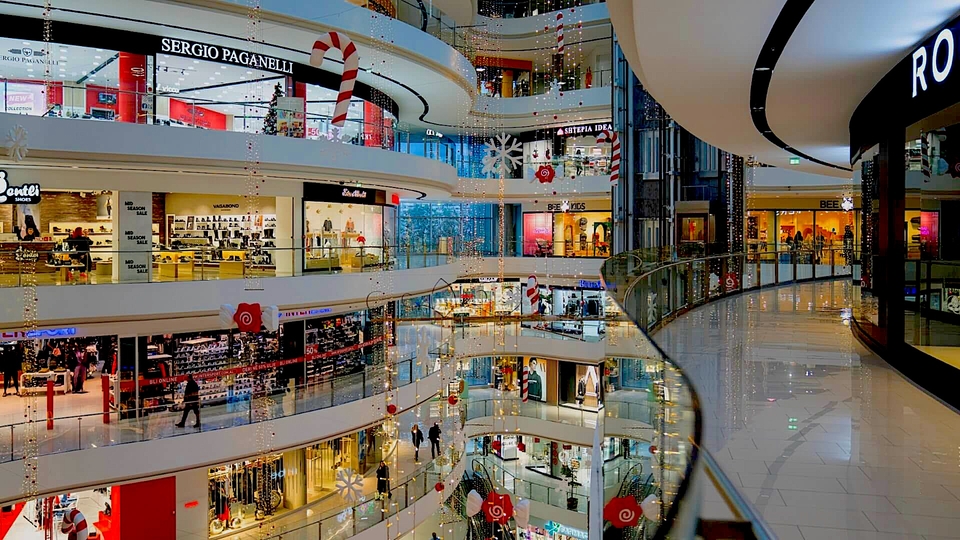
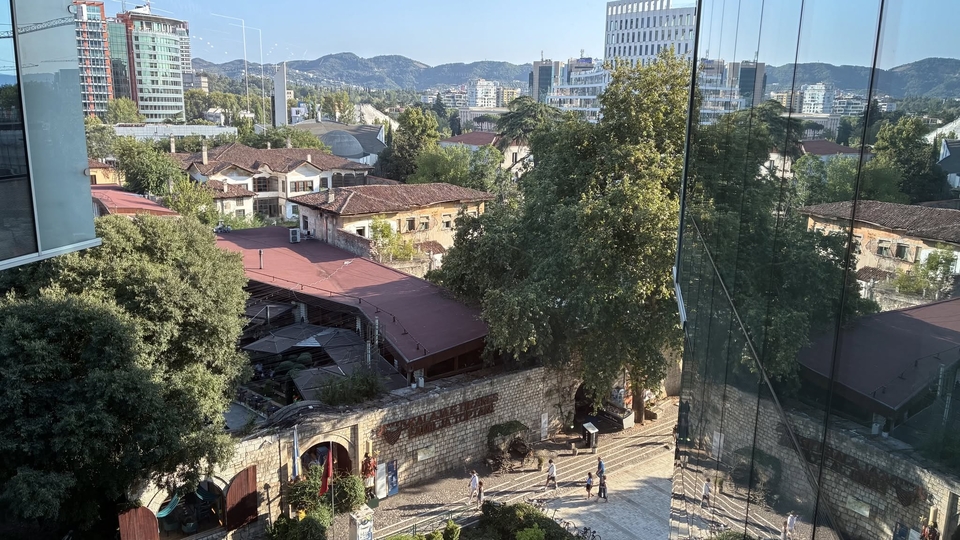
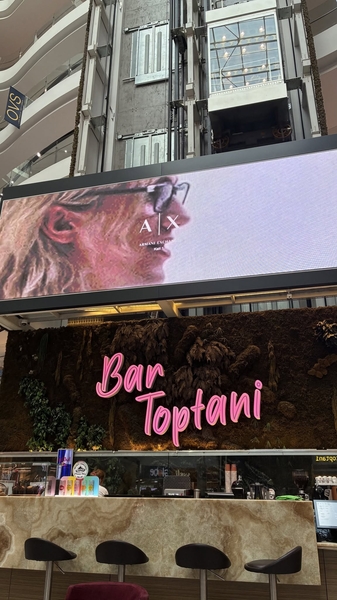
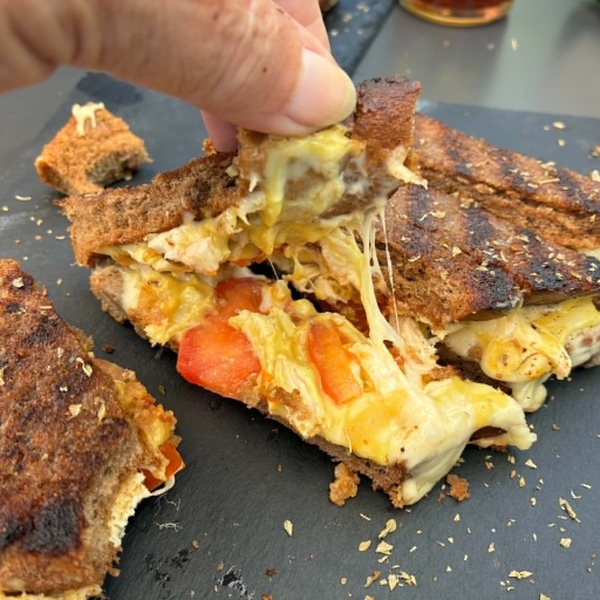
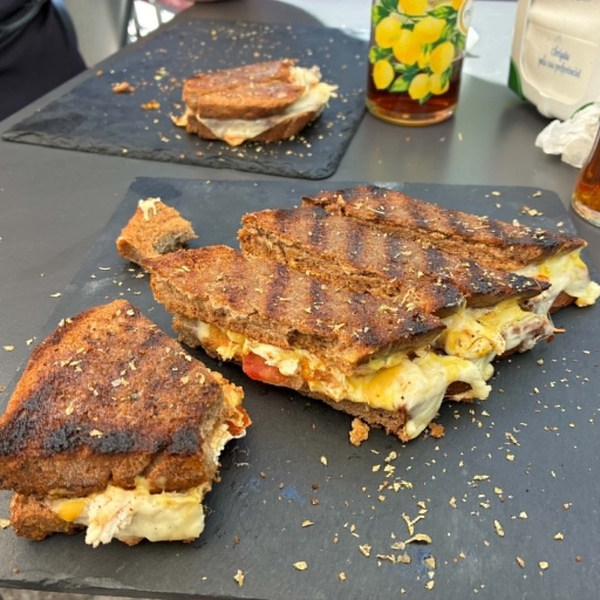
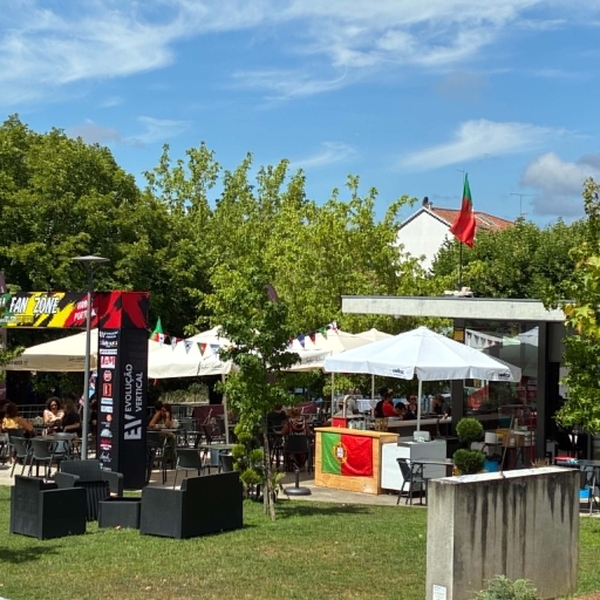
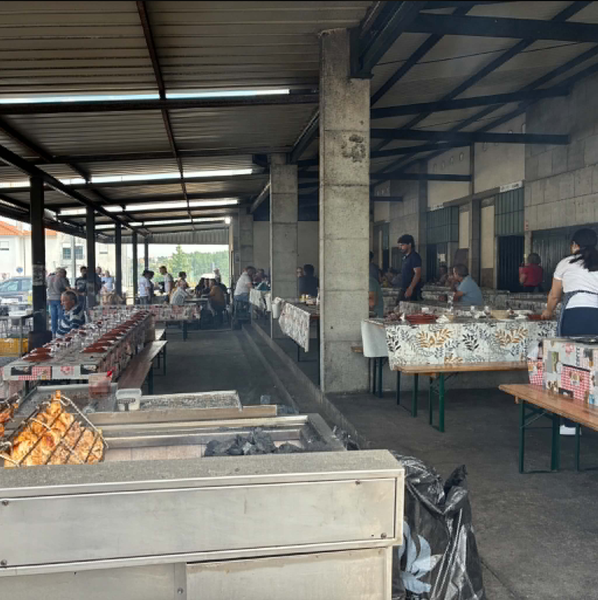
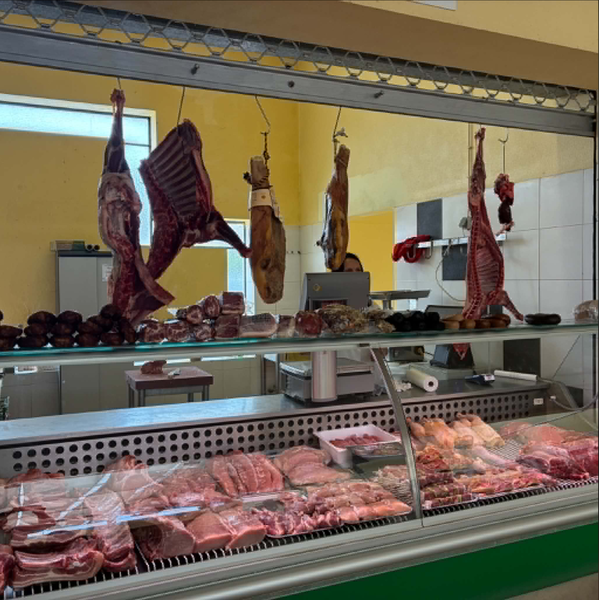
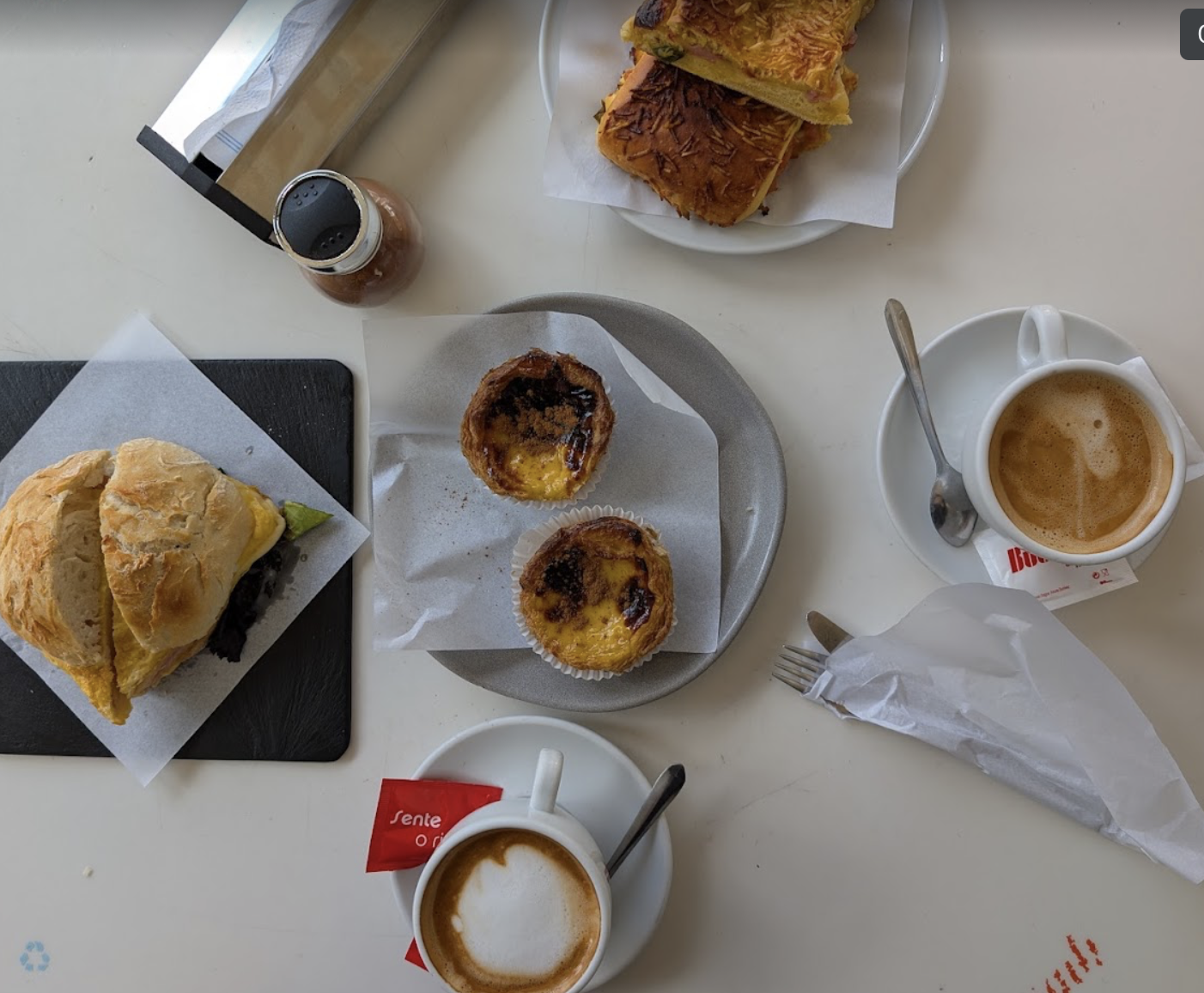
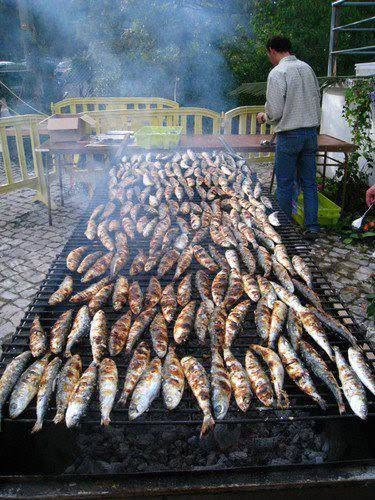
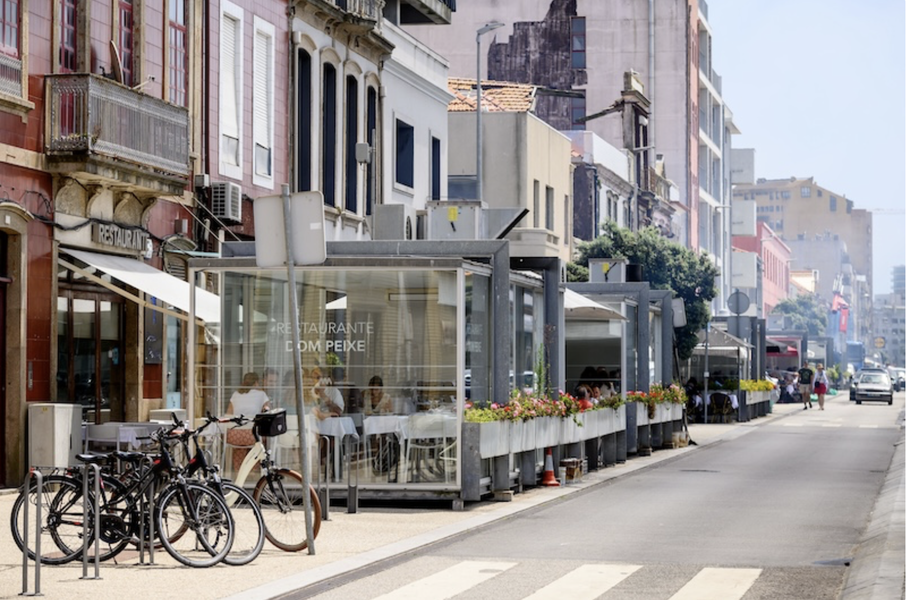
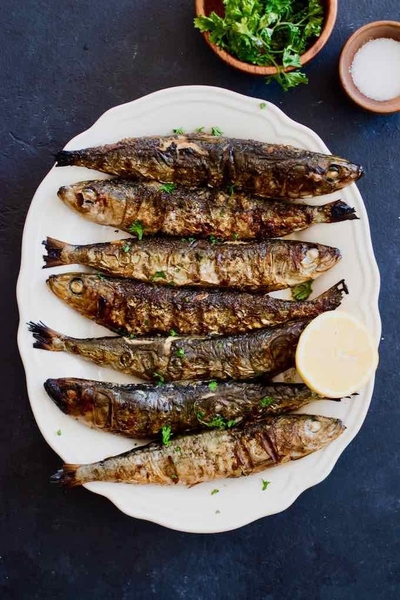
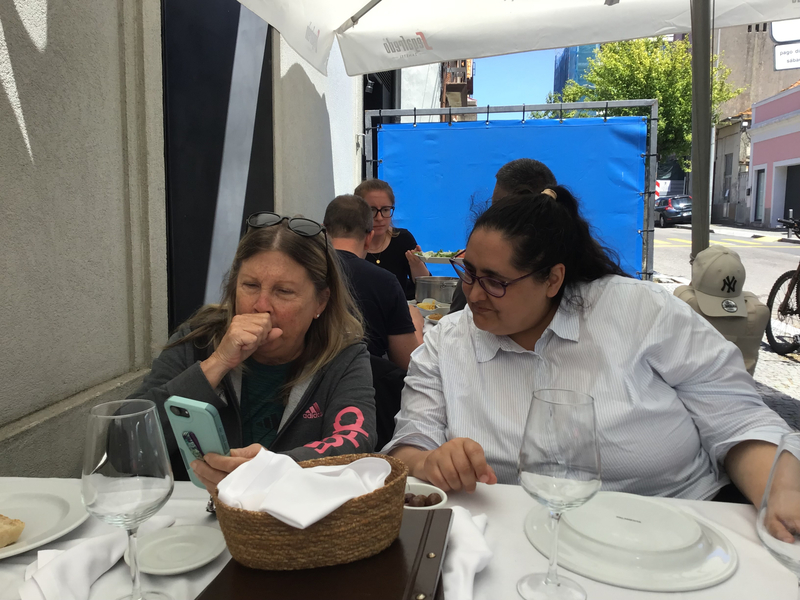
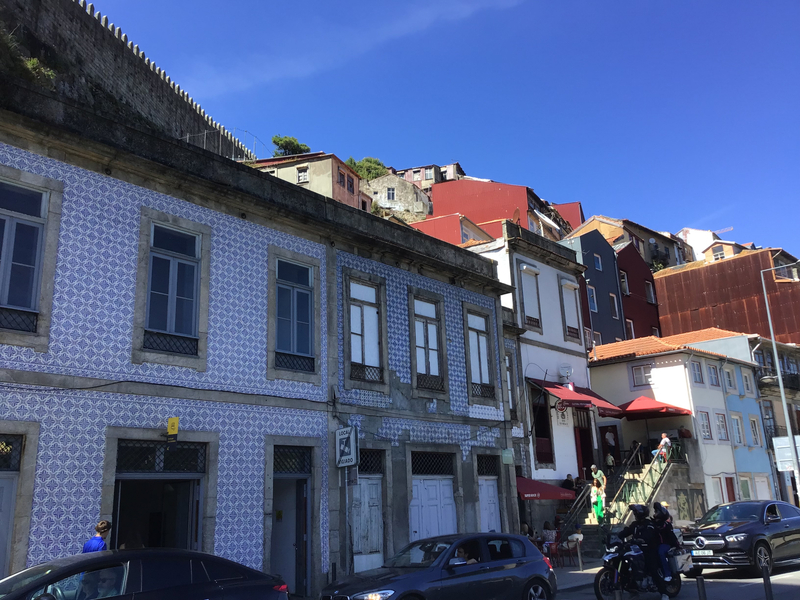
There are so many amazing restaurants near her home, that we did not have to venture far to experience something new and delicious.
These are just “a few of our favorite things”.
Continue reading

Port of Call: Marseille France

Of course our day in Marseille was rainy and blustery. Not at all like this beautiful shot of the Basilique de Notre Dame de la Garde
Port of Call: Marseille France.

Here is a thing to remember for the future: the guests on a transatlantic cruise are completely different from the ones embarking for a Mediterranean cruise. The first group is mostly adult, attentive and respectful, the latter act much more entitled and the pools and sundecks are all at once covered with children and teenagers. Gone is the quiet, respectful and laid back atmosphere from the wide open spaces of the Atlantic and noise levels are up several decibels beyond a car engine’s roar.

It sounded like the “newbies” had taken the city loudness of Barcelona with them on board. True, the night before arriving in Barcelona, we had partied loudly with our new Australian friends Jason and Kathi and closed down (if that would be possible) Churchill’s cigar lounge, but our quiet stroll down Barcelona’s Las Ramblas did not prepare us for the return back to the ship. The smoker’s lounge on deck 16 was taken over by a Kardashian type crowd that spoke Italian and acted as if they had just purchased the ship. Dancing, screaming, making out, running?! Well, just let’s wait and see what would happen after they disembarked in Rome, before we pass final judgement.

The weather did not significantly improve during the first couple of days of the central/eastern Mediterranean part of the cruise and the French Port City of Marseille became hazily visible through the rainy portholes this morning.

The Port City of Marseille France marks the point where the Provence (Rhone River) dives into the Mediterranean Sea and the famous French Côte d’Azur begins. As a port city, it is the oldest ( founded by Phocaea Greeks from what is today Western Turkey abt. 600 BC) and second populous city (almost 2 million people) in France. Marseille’s openness to the Mediterranean Sea has made it a cosmopolitan city marked by numerous cultural and economic exchanges with Southern Europe, the Middle East, North Africa and Asia. In Europe, the city has the third largest Jewish community after London and Paris.

Han, being very familiar with this part of France, suggested we walk into town, grab some lunch (after all this is the area where his favorite Bouillabaisse comes from), take some pictures and settle back aboard.

The ship’s organized tour bus took us from the cruise port to a spot just around the corner from where the old marina connects with the old town. It’s a good walk and the sidewalks are safe and protected from traffic. Where the stores and restaurants start, catacomb like passage ways keep the heat and rain away and you can leisurely make your way up to town. Considering the blustery weather that day, we enjoyed our walk and stretching our legs. The old Hotel de Ville, built in 1653, the brand-new Museum of Civilizations of Europe and the Mediterranean, the Palais Longchamps and a nice walk around the city marina were all we got in before a nice lunch was consumed and we returned to the ship.

Palais Longchamp with ornamental fountains
Town Square in Marseille
The Old Lighthouse in Marseille Port
A blustery day in Marseille
A rainy day in Marseille
Museum of Civilisations & Europe and the Mediterranee
New Museum of Civilizations of Europe and the Mediterranean in Marseille
Ornamental Façade on City Hall built in 1653
Graffiti Artistry and Car parking
Anchors Away
Marseille's stairs to the city
Marseille's Old Town up to the Basilique
Lunch in The city Marina in Marseille
Bullabessa or Bouillabaisse originated in Marseille

Even though Marseille is an interesting city with a very cosmopolitan culture and character, it is a primary port city and thus not really well suited for cruise ship visitors. It’s a workmen’s city, the largest port in France and the second largest in the Mediterranean Sea. We think the cruise ships made it a port of call because of the attractive tour packages to the Gypsy area of the Camargue (1 hr by car) and Aix en Provence (32 min. by car or bus). Even Cannes is only just over 100 miles away.

Tomorrow’s schedule calls for another Mediterranean port city in Italy with the name of Genoa (Genova). We spent several days there about 6 years ago when we traveled Europe by bus, train and car. The same conclusion goes for that city (birthplace of Cristoforo Colombo); it’s a working port city and probably only of interest for the cruise ship day trip tours to Tuscany (Florence, St.Gimignano), Siena, Pisa and Livorno. We’ll see if we will even get off board.

Oh here’s another tip for starting cruisers. The cruise ship companies inform you that they will charge you a standard 15% gratuity tip for the crew and service on board. We felt that we would only tip our direct service personnel (cabin steward, favorite restaurant servers, bartender(s) and whosever service we thought to be exceptional). YOU CAN DO THAT, but let guest services know at the beginning of a cruise.

Marseille old port panorama

Port of Call: Barcelona

Our next Port of Call Barcelona was also going to be the end of our Transatlantic cruise. Impulsive as we are, especially where it comes to travel, we looked at options to extend our cruise and found that a bunch of our newfound friends were continuing the ride from Barcelona into the Mediterranean; some were going to Rome and some even further to Athens. We looked at each other, kind of reminded each other that visiting the Greek Islands had been part of a Christmas or Anniversary promise and we went to see the cruise director to buy a 2 week cruise extension that would take us all the way to Athens, with a day stop in Istanbul. Oh yeah, we were living it up, and our next 6 months of working hospitality would be arriving soon enough, inspite of Covid and its dangers. (little did we know that the 2022 season would be the most intense one in the history of the Lodge).

Anyway, with another 14 days booked on the ship, we were not that interested in deeply diving into Barcelona’s belly on what looked like was going to be a rainy day. We were more interested in a smooth cabin transition, so we didn’t disembark until close 11am. Han knew the city quite well from his years in Europe – the last time he had been there was in 1998 – during an Iberian Peninsula monthlong vacation that included Lisbon and the Portuguese Algarve region and Spain’s Sevilla, Madrid, Valencia and Barcelona region. His take was that the city had become a bit too trendy and international and therefore also way too expensive.

Las Ramblas Port end with Columbus statue

But beyond that we have learned that a cruise should be enjoyed without pressure and trying to include a Port of Call’s total offering is pure lunacy – a bit like how Japanese visitors to Europe in the 1980s just came to take pictures. So we decided to just walk from the ship into the port and stroll  onto Las Ramblas. The monument to Christopher Columbus (Colon) – very visible from the docked cruise ship -, marks the foot of the southern most end of the Ramblas and therefore a useful landmark to find your bearings when walking toward La Rambla from your cruise ship.

The entire length of Las Ramblas to Plaça Catalunya is a bit over 2/3 of a mile. La(s) Rambla(s) runs through the heart of the city center of Barcelona and divides the Barri Gòtic and El Raval neighborhoods. There is plenty to see and do all within a few minutes walk of this mostly tree-lined boulevard. About half way to the right, directly opposite from the famous La Boqueria Market, you will find access roads that will take you to the Cathedral in the Gothic Quarters and the very lively Plaça Real with the popular fountain to sit around. Pedestrian roads to the left, coming up from the Port, will connect you to MACBA, the Museum of Contemporary Art of Barcelona, famous for the display of major contemporary artworks created in the last 50 years. Admission is about $14.

Within walking distance from Plaça Catalunya (5 minutes) you can connect to the Rambla de Catalunya which takes you to one of Antoni Gaudi’s famous architectural designs, that are spread all over Barcelona. La Pedrera, aka Casa Milà is one of his more livable designs and the website focused on this building shows all Gaudi in one place. Personally I think wandering the twisting lanes of the Gothic Quarter and Passeig de Gràcia is much more interesting than the commerciality of Las Ramblas. Also another nice street for strolling …similar to Las Ramblas but much less crowded.

Han enjoying a beer and cig on a sidewalk café on Las Ramblas
Las Ramblas drinking water fountain
Cristopher Columbus Statue and Memorial
Mercat (Mercado) La Boqueria on Lass Ramblas during aftermath of Covid
Mercado de Boqueria Fresh Fish market
Narrow Street in historic Gothic Quarters
Interior of the Cathedral off Las Ramblas
Catedral Interior with pond and swans
Plaça Real with water fountain off Las Ramblas

But if you are short on time in Barcelona, -like one day cruise ship stop days – either make Casa Batlló and Sagrada Familia your main Gaudí visits in Barcelona, or do what we did, because there is so much more to see and do in Barcelona.

If you do have the time, like two or three days, your must-see attractions include, but are not limited to: La Sagrada Família, Park Güell, Casa Batlló, La Rambla, the Gothic Quarter and the Magic Fountain of Montjuïc (make sure to take the funicular up). This fountain puts on a display of color, water, and music several nights a week, depending on the season. People who watch the show rave about it. The fountain will not run during drought conditions.

By 3pm we started our route back to the ship to find our new cabin. Unfortunately the mini-suite of the first two weeks was not available for our continuation, but at least we had a balcony. Our steward had re-moved all our belongings and moved them  to the new cabin. All good and excited we concluded our first 2 weeks of cruising!

The next two weeks would take us to Marseille, Genova, Civitavechia (Rome), Naples (Pompei), Crete, Kusadasi (Turkey), Mikonos, Istanbul and finally Athens.

Casa Batllo & Casa Amatller (chocolatier)
Casa Milà Barcelona - Antoni Gaudi
Casa Batllo architectural detail
Parc Guell - Designed by Antoni Gaudi
Sagrada Familia (Sacred Family) Antoni Gaudi design

Port of Call Málaga, Spain

The next port of call Málaga, had been on the menu for several days and finally the weather allowed us to anchor in the cruise port. It was still mostly overcast, but a visit to this summer tourist jewel is a must for its renaissance architecture, magnificent food culture, waterfront avenues and close proximity to the City of Granada and the world-famous Moorish Castle “The Alhambra”.

Just like Cadiz, Málaga was founded by the Phoenicians around 800 BC and later shaped by the Romans, who built the amphi-theatre that still stands today. The Moors arrived in the 8th century, leaving behind the Alcazaba fortress and Gibralfaro Castle that dominate the skyline. After the Christian Reconquest in 1487, grand churches and plazas were built.

Málaga’s history is evident throughout its streets, from ancient ruins to Moorish arches and Renaissance facades, there is over 2,800 years of fascinating settlement stories waiting to be explored. Just as most port cities, there is an air of acceptance and tolerance, created by centuries of exposure to human interactions.

It is the sixth-largest city in Spain and yet it doesn’t feel huge. One of the many pluses of Malaga is that you can explore most of its highlights on foot. Málaga Park, also known as Paseo del Parque, is the city’s green oasis and considered one of the most important subtropical gardens in Europe. Built in the late 19th century on land reclaimed from the sea, it was part of a project to expand the port. Planting began in 1899, and today the park covers 30,000 square metres with more than 350 plant species from five continents, from Mexican fan palms and Madagascan screwpines to Australian ficus trees. There is information on the flora for the green-fingered visitors!

The park isn’t just about nature. Scattered among its shaded paths are 19th-century fountains, sculptures, and monuments, like the Fountain of the Three Graces and the Nymph with a Seashell.

A short walk will bring you to some of the city’s most iconic landmarks including The Cathedral of Malaga (La Manquita or the One Armed Lady), Picasso Museum, Carmen Thyssen Museum and Alcazaba – an ancient Moorish fortress overlooking the city from . For art enthusiasts, nearby Soho district offers numerous contemporary art galleries as well as vibrant murals decorating its streets.

Horse & Carriage Tour to City Hall
Alameda Principal along the waterfront
Park with Statue on Alameda
Waterfront Park on Alameda
The Catedral de Malaga - The One Armed Lady
One of the many artworks inside the Cathedral
Statue of Don Larios starting at Calle Larios

Knowing that all this is within walking distance, once again we bypassed buying a ship’s tour – the main one to the Alhambra in Granada would take more than 1 1/2 hrs each way by bus, train or car. So we decided to walk the city’s landmarks at our own pace and try some local food and a sidewalk café stop.

We boarded the Princess drop off bus from the cruise port, that took us to the Plaza de la Marina and from there we walked the Alameda Principal east and admired its pocket parks. Soon the Cathedral becomes visible and we took a left into town. After visiting the Catedral we walked back to the Alameda and went westward this time, to hook up with Malaga’s main shopping thorough fare Calle Larios which connects de Plaza de la Constitution, a historic square dating back to 15th century with the Parque de Malaga on the Alameda Principal and the city port.

The Centre Pompidou in Málaga

Never too far away from the cruise port, we got a beautiful impression of this fascinating city on the Costa del Sol. Set in Malaga’s modern port area, Muelle Uno, the Centre Pompidou is instantly recognisable by its colorful glass cube entrance. El Cubo was designed by French artist Daniel Buren, and when you step inside, you’ll see how his clever design changes as the sunlight filters through the panels, casting vibrant colours across the space.

A one day visit to any of these Port of Calls, means you have to make choices: what to see and what to do. We did not have the time to visit what’s a bitter further away from the city center. Such as The Alcazaba of Malaga, which sits on the slopes of Mount Gibralfaro. The site was first occupied by the Phoenicians around 600 BC and later by the Romans. In the 8th century, it became a military fortress under Islamic rule, with later rulers expanding it into a palace.

Highlights include the Tower of Homage, the Plaza de Armas with its gardens, the Nasrid Palace with spacious courtyards. The Taifa Palace, has Moorish horseshoe arches with intricate stucco carvings that lead to open balconies overlooking the city, mountains, and port.

Above it is Gibralfaro Castle, added in the 14th century to protect the Alcazaba and linked to it by the fortified walkway known as the Coracha. If this excursion would be your choice than by all means climb up to the castle and you’ll be rewarded with some of the best views in Malaga, stretching from the harbor to the mountains.

The Catedral
The Roman Theatre in Malaga
City Hall of Malaga
Intricate Statue Art
Building Ornament Art
More Building art
Apartment Living in the City
Erotica Museum - Sex in the City?
Pablo Picasso Baptizing in 1881
Modernistic Opposite
Calle de Larios street art

Port of Call – Palma de Mallorca

Again there was a last minute change as future Port of Call – Palma de Mallorca was placed ahead of the Andalusian City of Malaga. Reason? The same storm system that had taken Gibraltar out of the line up, prevented us from going to Malaga. So, the Regal sailed north to the island of Mallorca and then returned south a day later to visit Pablo Picasso’s birthplace on the Costa del Sol.

Mallorca, the largest of the Balearic Islands, gave birth to Spain’s best tennis player ever Rafael Nadal and today hosts celebrities like Catharina Zeta-Jones and Michael Douglas, Brad Pitt who owns seasonally and many European celebrities. The island has a population of over 480,000 spread over about 1,400 square miles (about the size of Long Island), offering diverse landscapes from mountains to beaches. Even our Cuban friends  Juan and Acéla from Matanzas, whom we visited in 2017, have moved since to the island of Mallorca.

Palma de Mallorca

The 3 J's

The 3 J’s: John, José and Johan

This vibrant capital of Spain’s Balearic Islands, is a Mediterranean gem known for its stunning 14th-century cathedral, bustling historic Old Town, and sunny beaches. Unfortunately on the day we arrived, there was no sunshine in the forecast. Offering a mix of Roman, Moorish, and Christian history. Until 1229 it was ruled by Muslim/Moors from North Africa. Key attractions include the Bellver Castle, Almudaina Palace, and the lively Santa Catalina neighborhood. We had arranged to go into town with our  newfound friends John, a Miami architect and José, a retired doctor.

  • La Seu (Cathedral): Visible from far across the water, Palma’s massive Gothic Cathedral  de Santa Maria is the main seat (La Seu) for the bishop of the Balearic diocese. It was built between 1229 and 1601 and famous Catalan architect Antoni Gaudi did an impressive update in the early 1900s.

Continue reading

Port of Call Cadiz, Spain

Cadiz, three sides on the Atlantic

The message from the Captain came the evening before, while departing Madeira: a weather system in the southwestern Mediterranean forced the ship to set course for Cadiz, rather than Malaga.

Perhaps because of its out-of-the-way location, Cadiz is a hidden gem that not everyone seems to know and visit, so we were happy with the change. Its historic old town and its many unique surrounding villages, make Cadiz a perfect destination for exploration. Gorgeous beaches, amazing local cuisine and an accessible city that is more than 3,000 years old, dating back to the Phoenician merchants from the Levant.

Located on Spain’s southwestern Atlantic coast, due west of Malaga in the Mediterranean, Cadiz played a significant role in Spain’s colonial history, serving as a launching point for expeditions to the New World.   The city itself is a coastal gem—rich in history, lined with golden beaches, and exuding a laid-back charm that feels worlds away from the tourist-heavy spots further east.

Situated on a narrow peninsula, Cadiz is almost entirely surrounded by the Atlantic Ocean, offering breathtaking waterfront views and a relaxed, beach-town atmosphere. Its old town, with winding cobblestone streets and lively plazas, reflects its Moorish past, with narrow alleyways designed to provide shade from the intense summer sun.

Often nicknamed “The Silver Teapot” due to its unique shape and position on a narrow spit of land, Cadiz also bears a striking resemblance to the Cuban capital Havana, thanks to its architecture, grand cathedral, and scenic promenade. Unlike many Spanish cities, no building here is allowed to be taller than the cathedral, preserving the city’s distinctive skyline. While Cadiz has both an old town and a newer area, even the modern sections remain free from high-rise developments and sprawling resorts.

The climate is also a major perk. We visited in early March and enjoyed mild, sunny days in the high 60s—perfect for exploring. It’s easy to see why people here take full advantage of outdoor activities year-round. Whether you’re into cycling, surfing, or simply strolling along the seaside, the weather makes it effortless to stay active.

Despite its small size (population about 111,000), Cadiz is full of life and has been inhabited by various civilizations, including the Phoenicians, Romans, Moors, and Visigoths, each leaving their mark on the city’s culture and architecture. Narrow streets open up to lively plazas where locals gather at all hours.

Cadiz isn’t known for international diversity. Its food scene is almost entirely Spanish, and much of its cultural life revolves around local traditions—flamenco, festivals, and historic heritage. While the city lacks major museums, theaters, and entertainment venues, nearby Jerez and Seville offer a wider variety of cultural experiences, including ballet, opera, and concerts.
The proximity to Seville, just an hour and twenty minutes by car makes it a perfect excuse to unveil more of the south of Spain.

Even though the decision to change port was last minute, Princess Cruises showed a quick and professional approach to rapidly changing the tour agendas and many passengers opted for a day trip to the old Spanish Capital of Sevilla, while others preferred a wine tasting trip of the traditional Spanish wines of sherry in nearby Jerez de la Frontera.

Having been in Sevilla before on a trip to Portugal’s Algarve region, we decided to stay and walk to explore Cadiz. The historic old town remains a lived-in, authentic neighborhood and is nothing like a tourist trap. Walking through its winding streets, you’ll find local fruit and vegetable shops, bakeries, butcher shops, and small grocery stores.

In conclusion, exploring Cadiz is an adventure filled with fascinating discoveries and memorable experiences. From its ancient origins as one of the oldest continuously inhabited cities in Western Europe to its vibrant cultural scene and breathtaking beaches, Cadiz captivates.

If you are eager to find out more about Cadiz, the Explorial app provides an immersive self-guided tour experience.

Port of Call Madeira, Portugal’s Year-round Resort Island

After  seven days on the Atlantic, the time had arrived for a day at Port of Call Madeira, Portugal’s Year-round Resort Island. The weather had been pretty good, so the island of Madeira was on the schedule. A great indicator on a cruise ship that you’re nearing land is that you all at once see birds sitting on railings or flying next to the ship.  No diversions needed. Madeira is part of Portugal, as are the Azores, which are often featured on other cruise stops, and lately has become particularly known as the birthplace of soccer phenomenon Cristiano Ronaldo. Besides his own statue at walking distance from the cruise port, the islands international airport is also named after him.

Cristiano Ronaldo, son of Madeira and first billionaire soccer player in history

Madeira

Madeiro was “officially”discovered sometime in the 14th century as an unpopulated island in what later became and archipelago of 4 islands about 430 miles to the southeast of the Portuguese mainland, although archeological evidence exists that the Vikings were there between the years 900 and 1030. Today the island is an autonomous region of Portugal and part of the European Union, so the Euro is their official currency. The island has a population of a little over a quarter of a million people, with an additional million or so tourists annually.

The island, and especially its capital Funchal, became prosperous early on in its development, as a major producer of cane sugar. Sadly the island was used to test the concept of sugar plantations being worked by slave labor. Later, after sugar production  was abandoned, the now famous Madeira wines became prevalent in its economy, which today is based on year-round tourism. Continue reading

A Fourteen Day Trans-Atlantic Princess Cruise

Leaving from Ft.Lauderdale Port

A Fourteen day trans-atlantic Princess cruise was on the menu, now that a land vacation seemed out of the question because of Covid concerns and different international procedures. Beyond a 5 days Bahama’s cruise on Carnival in 2016, we had not done much cruising except for some Caribbean Tallship Trips when Windjammer Barefoot Charters operated several Tall Ships like the Polynesia and the Mandalay in the Caribbean Islands. Actually that’s how we met, when TJ had booked a graduation present for her son Drew on the Polynesia, departing from St.Maarten.

Since May 2019 we manage a summer boutique hotel on Beaver Island in northern Lake Michigan which means we have the 6 winter months off to do whatever we like to do. Taking care of guests in the summer time meant to us that during our winter travels we should bathe in the luxury of at least one long cruise where others would take care of our needs. We quickly surmised that on our salary, cruises would be the only real “luxury” that fits our budget, especially because we would book in what is considered the Off Season for cruises, such as February/March. The previous year (2020/2021) we couldn’t travel internationally because the world was locked up in a global Covid-19 pandemic, but this year (2022) we had received our shots and were ready for some real discovery.

Considerations for a final cruise choice were:

  1. Transatlantic, because we figured most guests would be adventure seekers and water lovers and
  2. There would be few kids on board as the cruise was scheduled during school days
  3. We would end up in Europe with the choice to go from Barcelona to our newfound favorite destination Portugal.
  4. We both love being on the water, preferably out of sight of land. We deeply believe in the water’s power to absorb stress.

For our adventure we booked the Regal Princess from Ft. Lauderdale to Barcelona, Spain via scheduled port visits at Madeira, Cadiz, Malaga and Mallorca. Inclement weather forced us away from planned ports such as Gibraltar and Barranquilla, but changes come with the territory (ocean weather) as we have learned since.


A couple of days into the cruise, Russia started a full scale invasion of Ukraine on February 24, 2022, which created an immediate tension aboard the ship that hosted a number of entitled Russian guests while a substantial serving staff on the ship originated from Ukraine. To stop potential unpleasantness, the captain demanded respect from all parties. 

The first 7 days were on the water without any land insight. This was also the time to learn about the ship’s lay-out, the crew members that interact with you during the voyage, the “cool” people aboard and the best times for breakfast, lunch and dinner (and late night snacks, if so desired). With the technology of the Princess Medallion system, it is very easy to find where you need to go, where you are and what is offered in various parts of this huge ship.

At the time of this voyage we were still smokers, so we first had to find the areas where smoking was allowed. Turned out that the Regal Princess had the best smokers’ accommodations of all their ships, a beautiful 180 degrees nicely furnished seating area on the upper back deck 17. Here is also where we found the cool people. We spent a lot of those first seven days on that deck, that conveniently was also close to the buffet dining areas. Here is where we befriended architect John from Miami, his friend Doctor ? who spent his retirement in Mexico and X, who was a very outgoing gay friend from the Westcoast, traveling with his mother and an aunt. His escapades were absolutely hilarious. We also befriended cute New York China transplant Eva, who kept on traveling for years after the cruise, before returning to New York temporarily. Her parents have a nail salon in the City, so following her cultural disposition as she called it, she offered to do TJ’s nails for Captain’s Dinner. Another beautiful connection was made with the smoking deck’s attendant from India, Stella who claimed to be on her last cruise voyage, as her Indian wedding was planned for later that year. It turned out that because of Covid, the dining areas now offered service, rather than strictly buffet spreads with self service. We liked it, primarily we could ask the chefs, cooks and servers the specifics of the multi-ethnic dishes on display. Oh and yes, during mandatory testing on the 4th day Han once again tested a false positive. When they brought the news I quickly left the room as to not get infected and being sequestered to a sick bay. Turned out that it was once again a false positive.

Destination Tours

We are not big destination tour-trip buyers because we like to venture out ourselves at destinations, easily making friends and acquaintances with locals and visitors alike. Unless there is a major language barrier or exclusivity factor involved, we use taxis and other locally available transportation to get around. Google Maps is a great app to have on your phone. It is super important however to realize that if you go on your own into a destination, to make sure to be back onboard before the ship departs. If you’re not, you’ll have to find your own transportation to the next port of call!!! If you buy a cruise ship package you don’t have that problem.

The Regal Princess
Registration in Hamilton Bermuda
Our Mini Suite
More of our Suite
Bubbles on the Balcony
The new version of the original Love Boat
Our favorite girl Stella
Our favorite entertainer Craig at the piano bar
Our favorite gay couple on the cruise
Covid 19 is still lingering

Caught on Beaver Island as Covid 19 becomes a global pandemic

After a couple of years globetrotting as interim innkeepers, we decided in 2019, to reply to a job offer on the website workingcouples.com, for a seasonal management job on Beaver Island in northern Lake Michigan. Boutique Hotel Beaver Island Lodge with 14 rooms and suites and a separate log cabin was looking for operational managers between May and November. After an online interview we were offered the job and our first season of seven in total became the 2019 summer.

The Lodge was built in 1950/51 on the island’s northern shoreline as a hunting and fishing lodge, mostly to attract guests from the Traverse City area in Northern Michigan and some Chicago families en route to Mackinac Island. At a distance of 32 miles from the mainland, the island can only be reached via daily ferry, puddle jumper airlines with daily service from the town of Charlevoix or private boats and yachts from the Upper Peninsula or areas around Mackinac. With 55.9 square miles of mostly forested surface, the island is home to a year round population of about 600, many of Irish descent; hence the nickname “Emerald Isle”. There are only a handful of small hotels, motels and inns on Beaver Island, with one grocery store, one gas station with convenience store, 5 or 6 restaurants and a couple of bars, but a summertime visit is more than worth your while, as the island is truly a gorgeous piece of historical relaxation. Probably the reason why we returned for 7 seasons in total.

In the 2020 winter we were however not ready yet to be forced into an extended stay, as Covid prevented us from traveling anywhere. In hindsight we were probably holed up in one of the safest places in the world. When the world raced toward oblivion, the pandemic was a mere footnote on Beaver Island and that 20/21 winter we met a lot of locals, made great friends and learned a lot about the island’s fascinating history.

We didn’t leave the island until December 2021 when we accepted an invitation to come and visit guest/friends in Dryden near Detroit and from there made our trek south to see kids and friends in Michigan, Tennessee, Mississippi, Georgia and Florida.

We usually end up at our buddy’s river home in Florida, from where we planned the rest of our off season travel. With the uncertainties of Covid still hanging in the air in January 21, we planned a 3 week trip to the southern Caribbean where our St.Maarten friends and music buddy Jay and Monique had a beautiful home in Curaçao. They had recently moved from the Netherlands where we had visited them back in 2016. With plane tickets bought, we went for a last minute Covid test in Jacksonville, Florida (tests had to be done one day in advance of a trip to be valid). Now mind you those were very confusing and chaotic times and Covid test centers were hastily set up in abandoned shopping mall stores , staffed with little to no medical or administrative expertise. So of course on the day of our supposed departure, my test was negative, but Han tested positive. Flights cancelled and Han in quarantine, never mind he never had any symptoms, nor did I. Back to the isolation of our buddy Rory’s Riverhouse on the Santa Fé river, all old plans were canceled and new plans created. How about a cruise?

As a lifelong sailor Han was initially not eager to stay in a hotel on the water for two weeks, but a Carnival short cruise to the Bahamas we had done 5 years earlier, was kind of pleasurable, so why not give it a shot!

We decided for a 2 week Transatlantic from Ft. Lauderdale to Barcelona, sometime in February on the Princess Regal (the successor of the original ‘Love Boat’). To circumvent the required Covid test uncertainties, we tested both with Walgreen’s and CVS, with results arriving on the morning of our departure at the airbnb we had rented in Ft.Lauderdale. Everything went fine and with time to spare we embarked for Europe. Once in Barcelona we would play the rest of the trip by the seat of our pants.

AirBNB’ing Our Stomping Grounds on St.Martin

Entering the Simpson Bay bridge after completing the Heineken Regatta

Participating Heineken Regatta yachts entering Simpson Bay, St.Maarten

For our winter travels we decided this year on a monthlong Airbnb’ing our Stomping Grounds on St.Martin in the West Indies. We left our life on St.Maarten where we had met in 2004, during the Great Recession in 2008/09 as the economy had decimated tourism and consequently our internet related marketing and promotion businesses. Han had been living there for almost 20 years after hurricane Hugo chased him out of St.Croix – USDVI in 1989. So it had been more than 10 years since we had last visited the island. Many of our friends had left the island as well, and just some of our local friends had stayed. Hurricane Irma had just a couple of years earlier (2017) devastated the area but we had heard that the Spirit of St.Maarten had stayed strong and reconstruction was going well.

In the years we lived and worked on the island, we were mostly involved in tourism marketing and promotion for both sides of the twin country island. In those days we published St.Maarten’s online search engine Zebrabot.com and produced a popular daily TV program “Whassup St.Martin.” In other words, we were quite well-known across the island. Our plan was to reconnect with as many old friends as we could in 4 weeks, which is why we initially decided to spend a week at a time in AirBnb’s around the island. It turned out different however.

Simpson Bay

Simpson Bay beach almost in our backyard.

Our first lodging was an Airbnb in Simpson Bay, the ‘boat people oriented’ entertainment “capital” of St.Maarten, definitely the most tourism oriented part of the island. The BNB was upstairs and consisted of two large rooms – a bedroom with bathroom and a living/dining room/kitchen. Surrounded by restaurants, grocery & convenience stores the first week stay was pleasant and comfortable with Simpson Bay Beach, a favorite of ours from the first days we met,  right at our back door and a stone’s throw from the Simpson Bay bridge where the following week Heineken Regatta yachts would be entering.

St.Maarten, especially the Dutch side, is a high profile, constantly evolving West Indian island in the Caribbean, originally colonized by the Dutch in the 16th century as a provisioning point for their merchant ships. The island’s Arawak Indian name was Soualiga, which translates as Salt Island, a spice commodity needed to prevent food from spoiling during long trans-atlantic voyages. As one of the first islands in the West Indies that started promoting tourism in the 1950s, it rapidly developed as a trend setter for the region. Today its International Airport attracts daily flights from across the world and its huge cruise port drops an easy 20,000 visitors daily on its shores. Consequently all tourism sectors are more than adequately developed. Neighboring islands, such as St.Barths, Anguilla, Saba, Statia, St.Kitts and Nevis, have arguably also financially benefitted nicely from this West Indian development.

Getting Around

We rented a car for our first week to  get groceries and see as much of the island as possible and meet up with old friends still living on the island – especially after hurricane Irma had destroyed most of it only 30 months earlier.

The twin nation island is a favorite of many tourists because of its accessibility, with 36 Beaches, and  a population that consists of more than 110 nationalities from all over the world, a distinct European influence royally mixed with African/Caribbean flavors and modern day eccentricities and with some 400 restaurants spread over the French and Dutch sides, it is also the Gourmet Capital of the Caribbean.  It is the place where TJ and I met more than 16 years prior to this trip..

A mini Indonesian rice table in St.Maarten

TJ eating her very favorite Shwarma in the world

TJ eating her very favorite Shwarma in the world


Sandy Ground

The Sandy Ground AirBNB

The second AirBnB we had selected was located in Sandy Ground, near the French side bridge from Simpson Bay lagoon, at a walking distance to Marigot, the French Side’s capital. Arriving on the morning of that change over, we noticed that the location was a bit questionable, with what looked like some drug deals going on at the street corners, and locals gazing a bit strange in our direction. The actual Airbnb was nice enough as a building from the outside, but did not give us the privacy we were looking for. In addition our room  was offered with a shared bathroom, which was not as originally quoted. But then came unexpected help to the rescue. Our local friend Lucia, an artist/painter, originally from Romania, who had lived on St.Maarten for several decades already, came the next day to check on us and immediately ordered us to come and stay with her in Pelican Key on the Dutch side. Her boy friend was a local developer who lived in a huge mansion in the hillside of Pelican Key, with pool and spacious guest quarters and for the next 2 weeks Lucia became our chauffeur, taking us all around our old stomping grounds.

During one of those trips around the island, It turned out that our third Airbnb choice near Orient Bay was a bust as well, so we cancelled that one and quickly found a beautiful replacement condo-apartment in Cupecoy Beach near the American Medical University of the West Indies.

Sunset from our balcony in Cupecoy

Her FB handle is Luxurious Marie and she’s a riot.

Pineapple Pete’s Pierre reminiscing of good old days

Here we entertained several of our old island

buddies and had a great time discovering this western part of the island that had been rapidly developing in the 10 years we had gone. Connis, Luxurious Marie, Dick, Lucia, Pineapple Pete (Pierre) and so many others reminded us that the island will always take a very special place in our lives.

Nettle Bay

View from AirBNB in Nettle Bay-St.Martin

Our fourth and last week was booked in a very nice apartment, that once was part of Nettle Bay Resort on the French side. With the covered outside kitchen and living area overlooking the pool and Simpson Bay Lagoon, we set out to get a nice suntan before returning stateside for our second year managing the Beaver Island Lodge in Lake Michigan. Covid 19 or as many called it the Coronavirus was overtaking the news waves and every country on earth was getting nervous, as there was no known cure yet and the death rates were climbing rapidly. It was a very scary time and we hear just in time that the last airplane leaving the island for the US was leaving April 6 – a day earlier than our plan, and after that the airport would be closed for any air travel until this pandemic would be under control.

After a short discussion of whether to take the risk and stay in St.Maarten or fly back and continue our job at the Lodge, we grabbed our luggage and quickly got to St.Maarten’s Princess Juliana Int’l Airport. We both remember the plane’s pilot saying over the intercom: “Welcome aboard the cleanest, most disinfected airplane you have ever been on. Please take your seats quickly so we can get you safely home in no time.”

On April 12, we flew from Charlevoix, Michigan to Beaver Island on Island Airways in 40 mile winds, sleet, rain and snow. We didn’t get off the island until a full year later as Covid 19 decimated the world population by several million people.

Load more