After completing our last season as managers at the Beaver Island Lodge, we were exactly back where we were 10 years ago when I wrote the story “Wide Open Spaces Ahead of Us”. Our first …
Cruising was still relatively new to us. The previous year (2022) we embarked on a Regal Princess Transatlantic Cruise, which resulted in so much fun that before reaching Barcelona, we decided to add a Mediterranean …
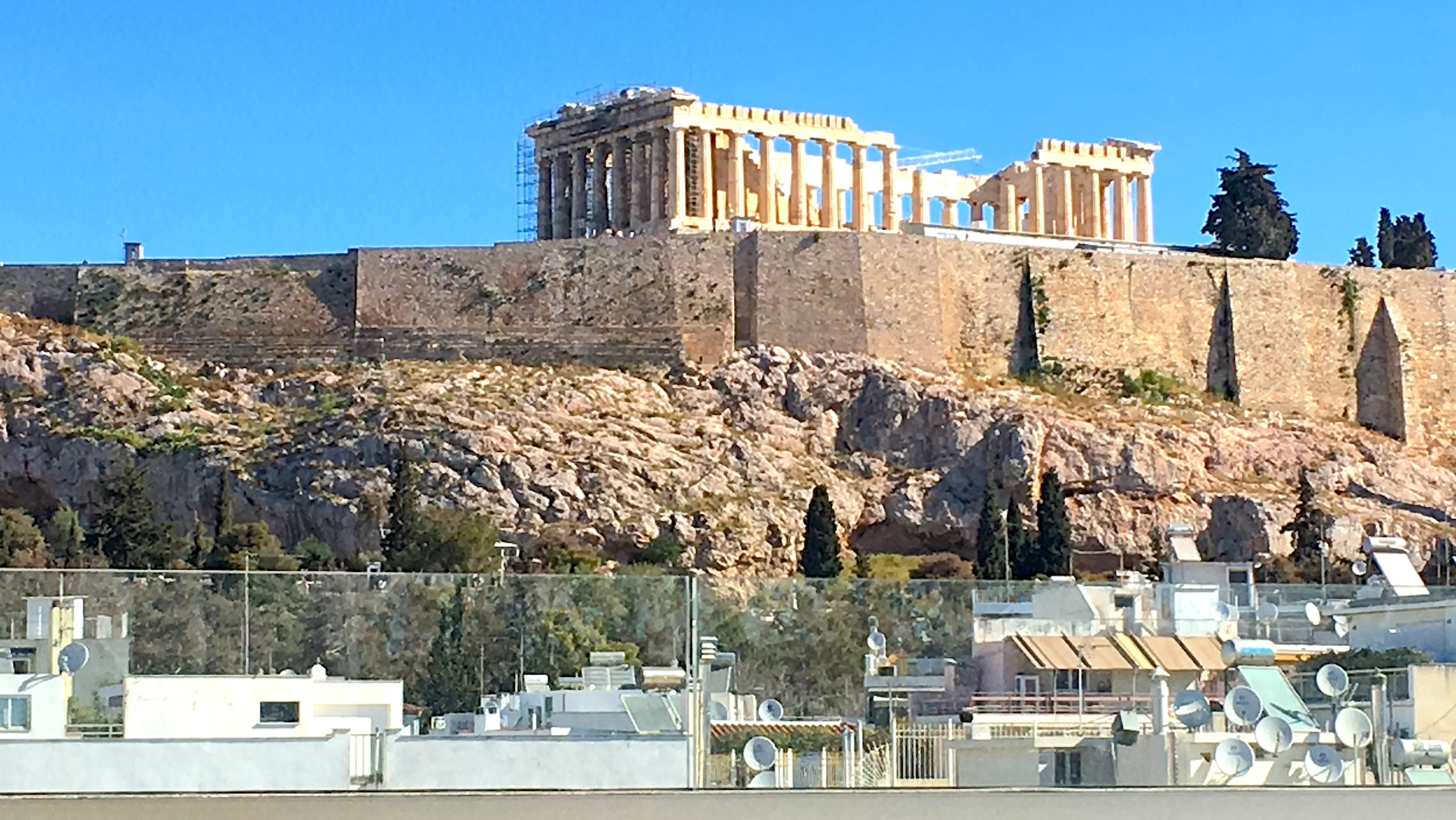
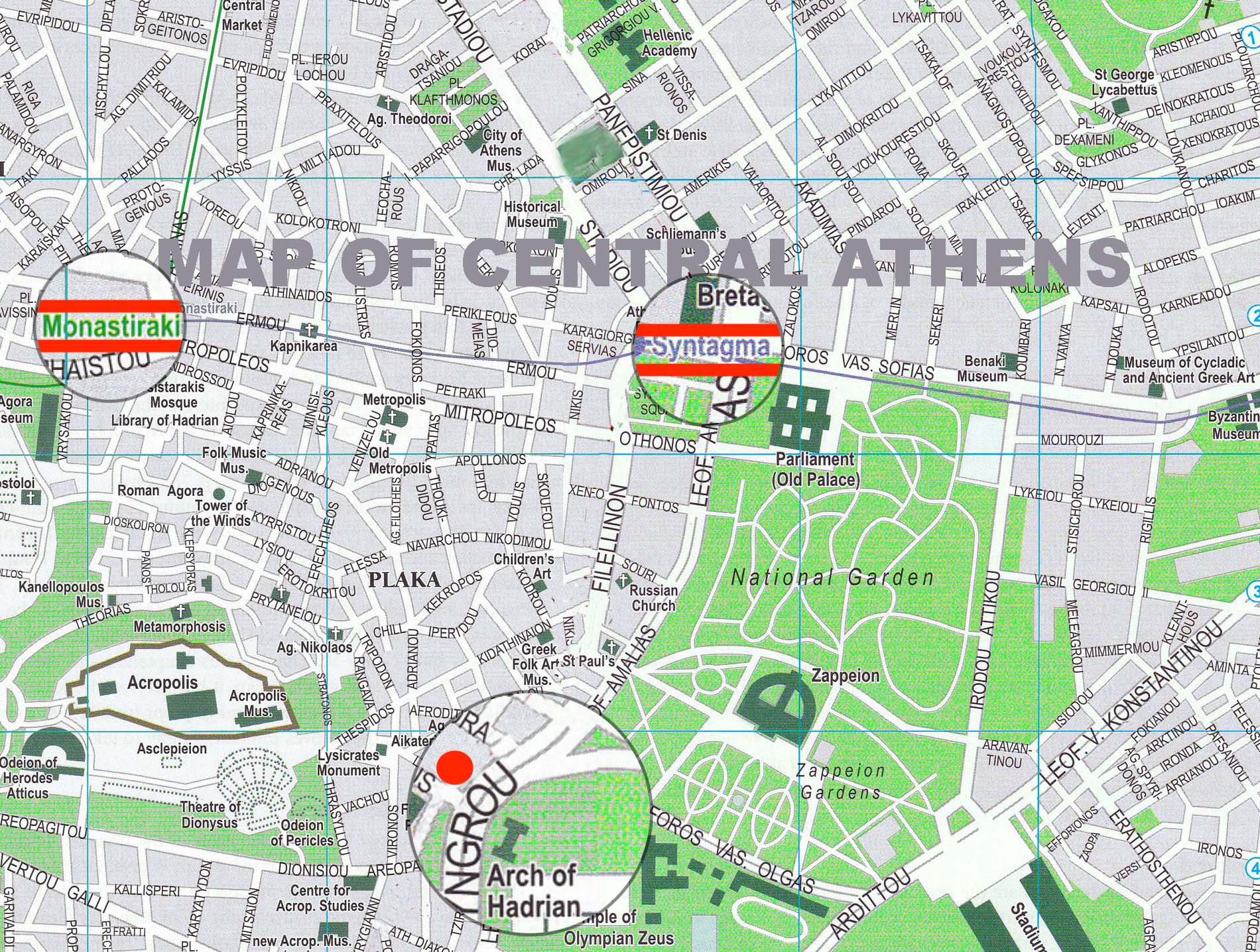
Today, April 10 our cruise ends in Piraeus, the port city for Athens, Greece. Hard to believe that the last 30 days were spent on a giant cruise ship with some 3,000 other passengers and …
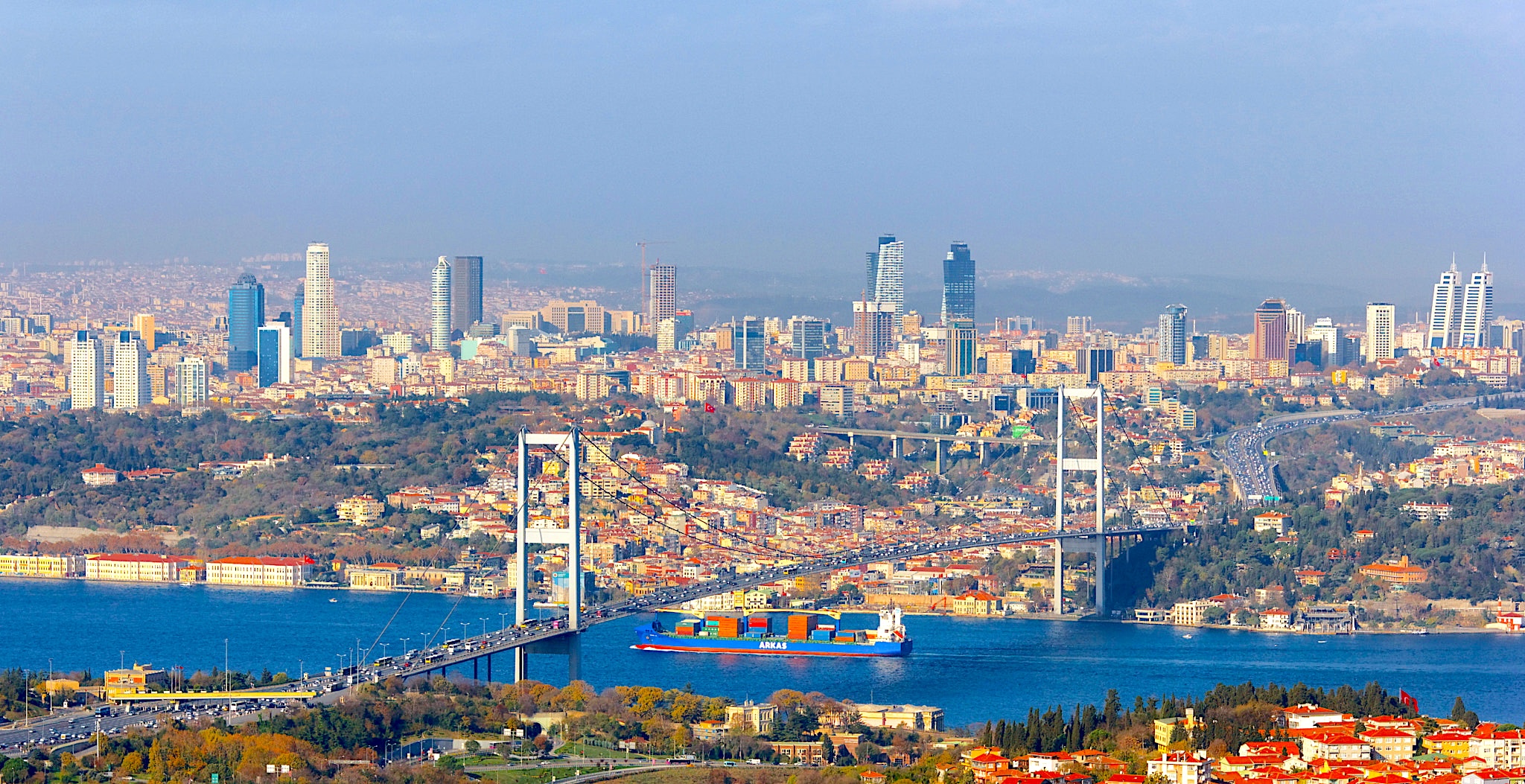
Port of Call Istanbul, Turkey had been on TJ’s wishlist since we booked the cruise extension in Barcelona. I forgot to mention this city in the Rome story in the line up of European cities …
Port of Call: Mykonos had been in our dreams as a place we wanted to visit badly. Well really it was one of the reasons we had booked the cruise extension in Barcelona. We know …
Port of Call Kuşadası, on the southeastern Mediterranean coast of Turkey, derives its name from the small, bird-head-shaped Pigeon Island in its harbor. It literally means “Bird Island” and as a destination, it was new …
Crete, the largest and most populous island in Greece, about 100 km south of the mainland, has 2 cruise ship ports, both on the northern side of the island was our next Port of Call. …
With a little more than 130 nautical miles to go, the Regal Princess still took off for Naples early in the evening, which told me that the Captain wanted to get to the next Port …
The storms over the water had disappeared for our second day in Civitavecchia’s port and we were ready for a trip out to Port of Call Rome, the Eternal City. We used the free port …
Port of Call : Civitavecchia/Rome Storms have been severely affecting the port of call schedules on this cruise, probably a result of the time of year. The new captain of the ship, who took over …
Port of Call Kuşadası, on the southeastern Mediterranean coast of Turkey, derives its name from the small, bird-head-shaped Pigeon Island in its harbor. It literally means “Bird Island” and as a destination, it was new to both of us. A true jewel to discover and we both fell in love with the city, its people and history.
Settled as early as 3000 BC by Lelegians and Carians, it was later known as Ephesus Neopolis (Byzantine era) and Scala Nova (Genoese/Venetian period) before becoming a major Ottoman, then modern Turkish, coastal city. In ancient and earlier times the town was known as Ephesus Neopolis during the Byzantine era, and later as Scala Nova or Scala Nuova under the Genoese and Venetian merchant rulers.
Kuşadası is mostly famous for its beautiful beaches, vibrant holiday atmosphere, shopping and easy access to world-class historical Roman, Minoan and Greek sites. Its combination of natural beauty, cultural landmarks, shopping opportunities, seaside dining, and family attractions makes it one of the Aegean coast’s most versatile destinations. At the time we arrived, the Russia-Ukranian war was several weeks old and Kuşadası was feeling its effects. One jewelry shop owner told us that normally at this time of year, many Muscovites would spend their winters here, but now neither Russians nor Ukrainians were arriving and business was way down.
Crete, the largest and most populous island in Greece, about 100 km south of the mainland, has 2 cruise ship ports, both on the northern side of the island was our next Port of Call. Our port was going to be in Heraklion, the capital of the island, located just northwest of the ancient Minoan capital of Knossos. The first human inhabitants of Knossos probably came there from Anatolia (Asia Minor) in the 7th millennium BCE and established an agricultural society based on wheat and livestock raising. The central mountain range rises up to 8,000 ft above sea level, most of the 625,000 population lives on the northern side of the island which is a little less than twice the size of the State of Delaware.
Before I start informing you about our visit to the Birthplace of Zeuss, I have to tell you that we had a Meeting of the Minds on the High Seas half way between the Italian Island of Sicily and the Greek Island of Crete. Still dealing with the fall out of the Covid 19 pandemic, one of Regal Princess sister ships, the Diamond Princess was experiencing a shortage of medicines available to treat passengers. So we witnessed a highly unusual, but impressive encounter on the high seas, when our ship, the Regal Princess, marked the occasion with a loud rendition of the Love Boat theme to welcome its needy sister ship and transferred the necessary medicines via a tender boat.
Princess Cruises features a variety of tours in Crete, focusing on the main ports of Heraklion and Chania (Souda), including visits to the ancient Minoan Palace of Knossos, the historic Spinalonga Island, and cultural experiences like the Arolithos Village.
With a little more than 130 nautical miles to go, the Regal Princess still took off for Naples early in the evening, which told me that the Captain wanted to get to the next Port of Call: Naples for a day in Pompeii, early rather than the next morning.
Although Naples has a handful of interesting sites to see, most visitors only frequent the city for great pizza and as a start off for a trip to the nearby Amalfi Coast and the island of Capri or the historic wonders of the ancient Roman ruins of Pompeii and Herculaneum. Naples is a typical Mediterranean Port City; industrious, loud and busy and the entrance to Southern Italy, which is a totally different experience from the central and northern parts of the country. Southern Italy is laid back, agricultural or seafaring, yet fiercely proud. There is no pretense in fashion, food and family.
This was already Han’s 5th or 6th trip to the area as his family often came to a camping in the town of Terracina, about midway between Rome and Naples. Since our grand Liam was just studying the events of the year 71AD in Pompeii in school, we decided that our destination for the day would be Vesuvius and Pompeii.
The storms over the water had disappeared for our second day in Civitavecchia’s port and we were ready for a trip out to Port of Call Rome, the Eternal City. We used the free port shuttles to the main gate, walked over to the train station, and boarded the train to Rome’s Termini station, a trip of about 55 minutes at a cost of $7 per one way ticket. This option worked best for our day in Rome plan.
Rome is nicknamed the Eternal City because ancient Romans believed that no matter what happened to the world or how many empires came and collapsed, Rome would go on forever. Well to a degree they were right, so far.. The city is still there almost 3 thousand years after the empire started and Rome excels in Roman Empire architectural antiquities, global Roman Catholic presence, fashion, shopping and an all around cosmopolitan atmosphere.
Storms have been severely affecting the port of call schedules on this cruise, probably a result of the time of year. The new captain of the ship, who took over the reigns in Barcelona, is a native Italian. He first tried to get us to Livorno, after the port city of Genoa became a serious non option. From Livorno the cruise director could service the Florence, Pisa, Siena, Volterra of the Tuscany region better, while even waterfront areas like gorgeous Cinque Terra could still be reached inside of 90 minutes by bus.
But the storm weather was relentless and in the early afternoon the captain announced that we were going to race another cruise ship for the last safe berth available at the Civitavecchia Cruise Port, which is Rome’s primary seaport, located about 45 miles northwest of the eternal city.
The Welcome sign says it all
During our 2016 visit to Italy, we never made it to Rome. Florence was as far south as we came and we were not impressed by (mainly) the Italians. But with Civitavecchia we now had access to Rome, the Eternal City, Civitavecchia often only considered as the sea gateway to Rome, offers an extra opportunity to explore its historical sites and local culture as it dates back to the early Roman society. Whether you’re interested in history, architecture, or local markets, the city provides a variety of experiences to enrich your visit. Here is what we did during our extra time at the port.
Civitavecchia War Memorial
Storage of fishing nets
The Port of Civitavecchia, built by Emperor Trajan (one of the 5 Great Emperors) at abt. 100 AD, throughout its 2,800 year history has played a central role in the exchanges and contacts of all Mediterranean peoples.
The port of Civitavecchia is clearly divided into a northern and southern area. The southern area is dedicated to tourist activities and cruises. Serving as a major hub for Mediterranean home base and port of call cruises and ferries to islands like Sardinia and Sicily, the port offers sometimes complex shuttle/train connections to Rome’s city center via the Largo de Laachcee train terminal. We found out on our second day in port, how complex the connections can get.
As we are getting a bit older (and wiser) we have learned to pace ourselves when it comes to visiting big cities. For this reason we decided to use the first day in port to explore Civitavecchia and dedicate the second day to Rome.
We used the free port shuttles to the main gate and from there we walked Civitavecchia’s old town center from Piazza Leandra – in the heart of the old Medieval district where there is the small Chiesa della Stella (“Church of the Star”) – then through the Archetto Passage which leads to Piazza Saffi: in this square you can see the old city walls built between 1513 – 1521.
San Lorenzo Fresh Market
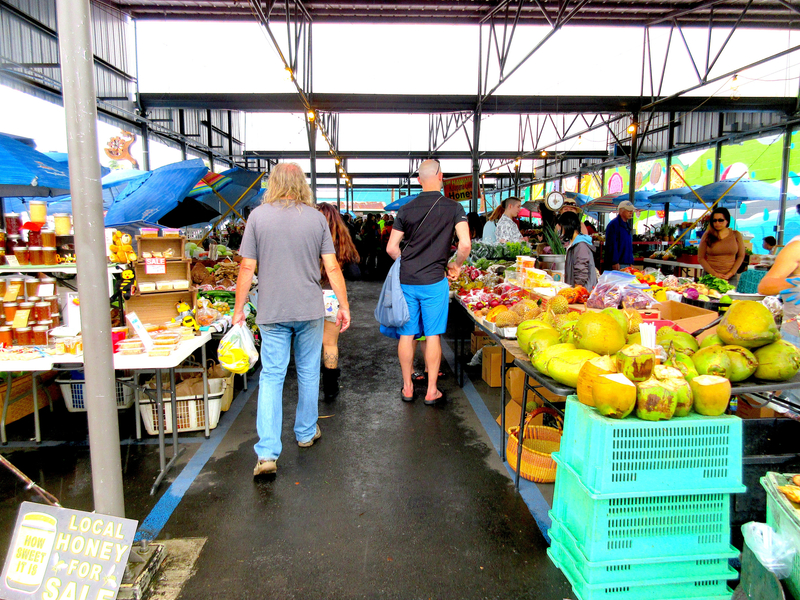
The San Lorenzo Market (not to be confused with the San Lorenzo Leather market in Florence) – is located in the heart of the historic city center, near Piazza Regina Margherita. Here local people come to buy fresh food products (such as fruit and vegetables) and to buy fish in the well-known Fish market, which is the flagship of the city. Visiting the morning market is a pleasant experience, because it is very lively and busy: there are not only market stalls, but also many bars, pizzerias and shops.
The Cathedral of Civitavecchia is devoted to Saint Francis of Assisi, the Saint of the Animals and was destroyed in 1943 during the second world war, the church was rebuilt in 1950.
The National Archaeological Museum of Civitavecchia is located a few steps away from Fort Michelangelo, inside the eighteenth-century building commissioned by Pope Clement XIII in the eighteenth century. The museum has got three floors and presents a dive into the past among Etruscan finds, bronzes and ceramics from the dawn of Western civilization, the ancient and the Middle Ages.
If you have the time, grab a taxi (abt $12) and visit the Taurine Baths of Civitavecchia, also known as Baths of Trajan, are a remarkable archeological site located in the northern area of the city, about 3 miles from the port. They are open all year long from 9.30 a.m. to 13.30 p.m. and gave a concise insight into how Roman elite spent their daily afternoons.
If you can pull yourself away from the cruise ship fare and decide on an Italian treat, Civitavecchia is a maritime city and the real specialty is represented by fish restaurants. Traditional cuisine is bound to the sea, so there are many typical fish dishes like Civitavecchia’s Fish Soup, “Fettucine allo Scoglio” (long fresh pasta with seafood), Civitavecchia’s Poached Baby Octopuses, Periwinkles, Filled Calamari and much more.
MacDonalds for great WIFI
We decided instead to visit the local McDonalds, right outside the port gates, because it was time to check on family and friends with the help of McDonald’s guaranteed WIFI. Italy’s Wifi network is a still a little iffy for us spoiled people. After a couple of hours checking upon family, answering emails and learning more about the Russian aggression against Ukraine, we went back onboard the ship.
Cruise Ship port of Civitavecchia
Seaman' statue Civitavecchia
Fort Michelangelo in Civitavecchia cruise port
Cathedral of St Francesco di Assisie in Civitavecchia
Recent Comments