
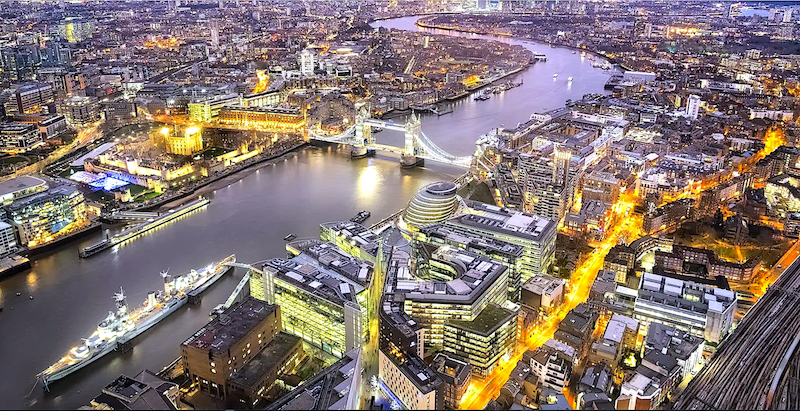
The City of London from The Shard Office Building
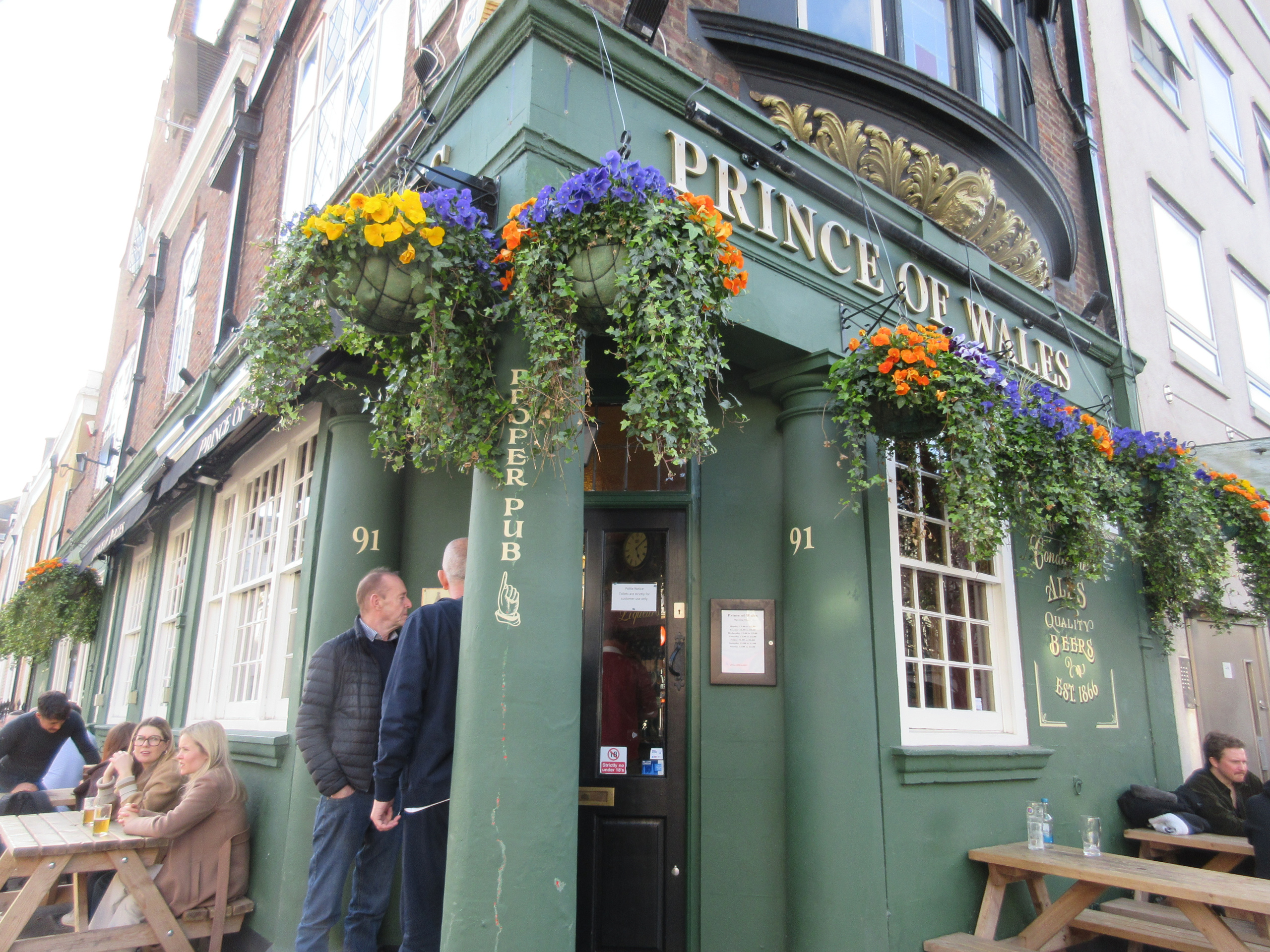
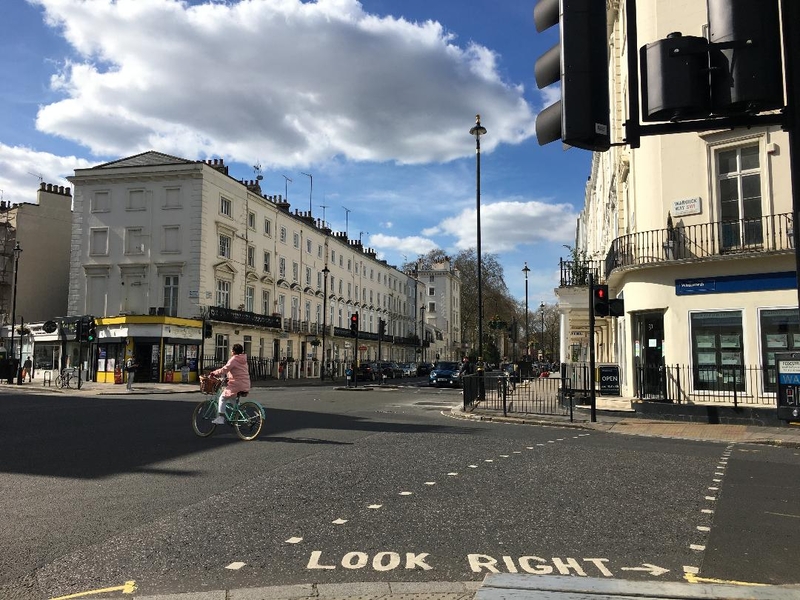
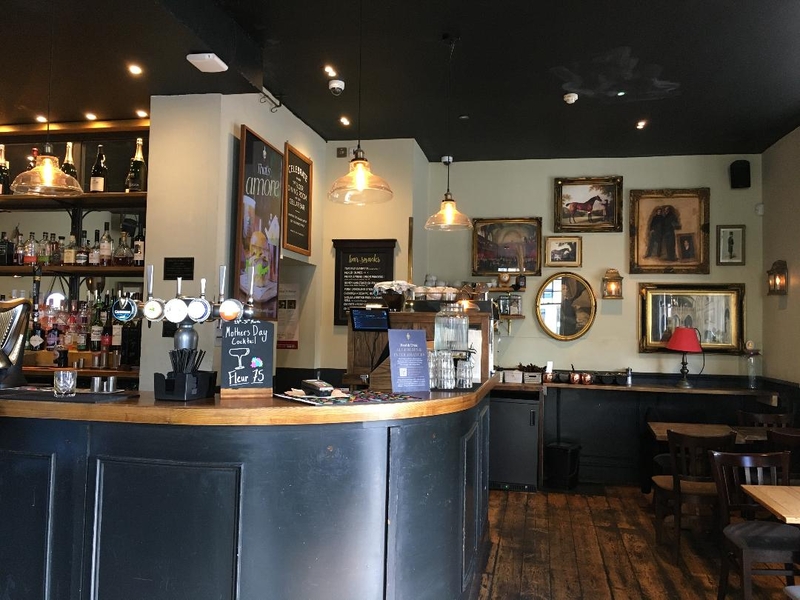
The train from Southampton dropped us off at Victoria Station in London’s City of Westminster district. We had figured out that a 15 minute walk down Belgrave Rd would bring us to our hotel on Warwick Way. And it did, even with large suitcases down the sidewalk. But before we decided to check in, we needed a coffee and a cigarette. And the sunny outside café the Marquis of Westminster Pub and Restaurant on the corner of Warwick Way and Belgrave was the perfect place to do this: enjoying our favorite pastime of people watching over a drink and a cig. The place was so cool the we decided to have dinner there as well.
The Warwick by Nestor seemed like a nice, affordable little hotel located in the accessible heart of Westminster, but our room however was in the basement, after a climb down a dangerous wooden stair case. Very strange room in layout, but the location made it work for us.
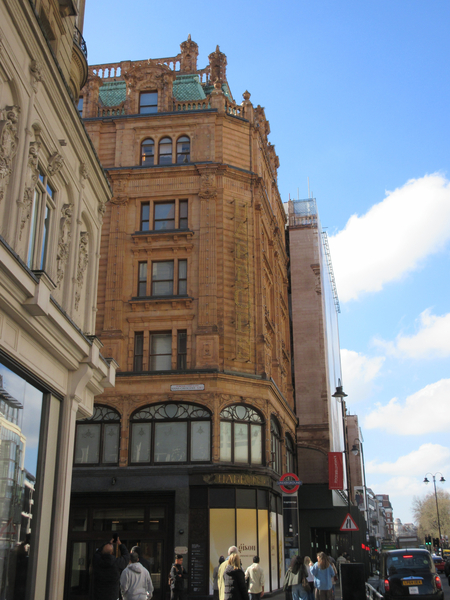
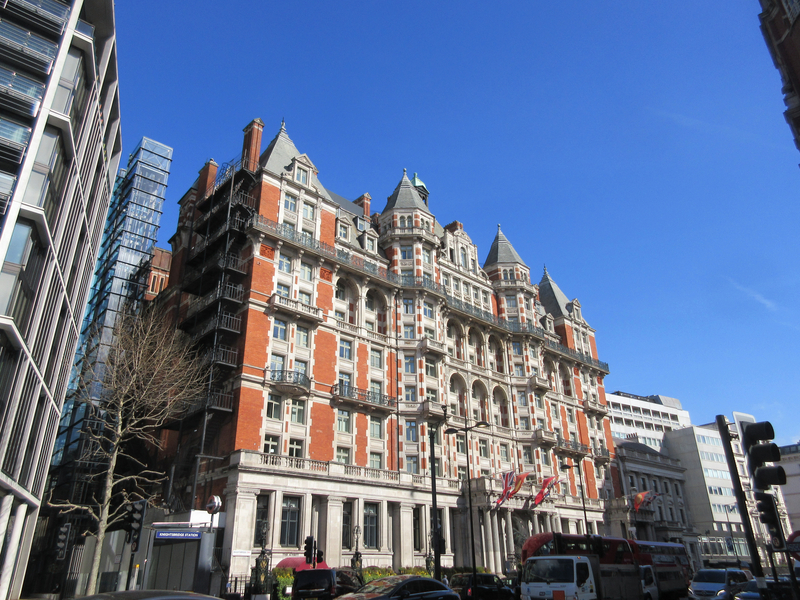
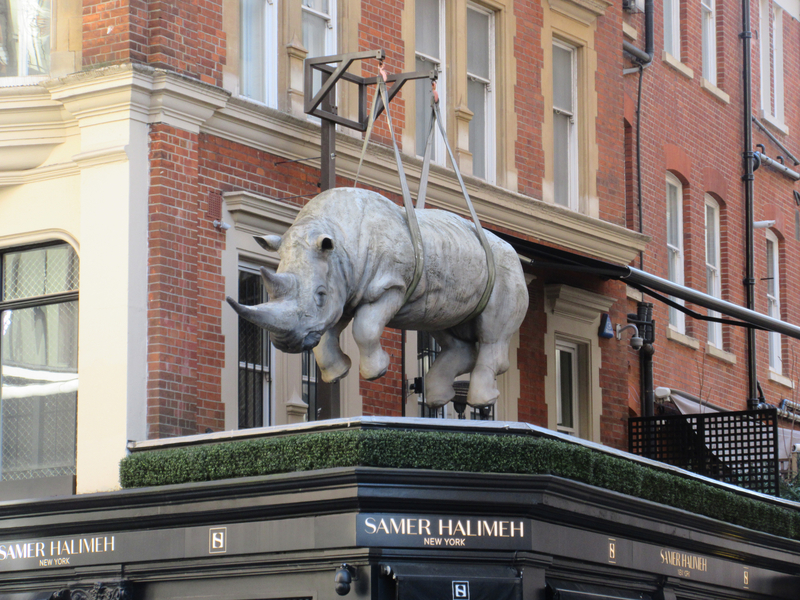
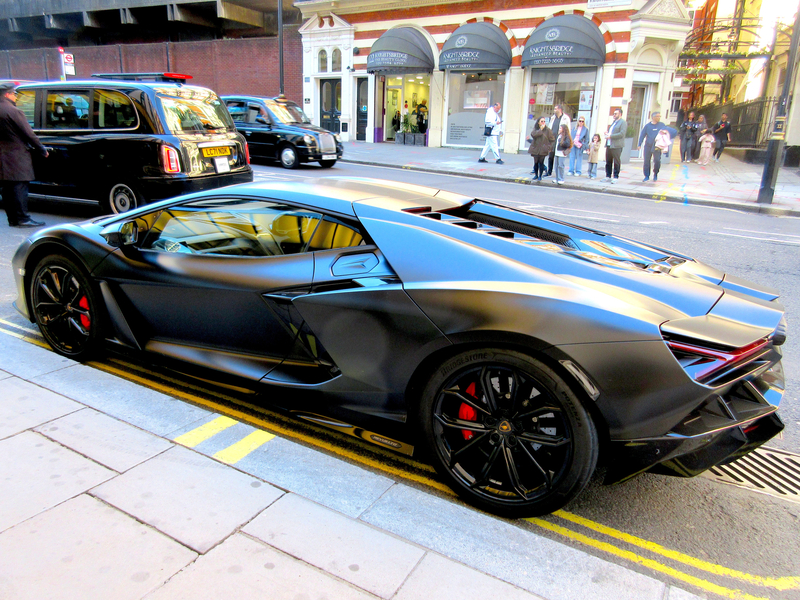
 The first full day of our stay we would be walking to world-famous department store Harrod’s on Knightsbridge and maybe have something to drink on Hans Road (?). Well the phenomenon that is Harrod’s distracted us for the better part of several hours, simply because there is nothing like it in the world to our knowledge. Although the old magnificent Harrod’s from the 1960s and 1970s is no more. What was once ONE STORE that had the entire world for sale is now more of an exhibition of the world’s foremost brandnames where you can order incredible luxury items: a 50.000 British pound speaker box or a 125,000 Pound model Ferrari, you can buy it here, choc.
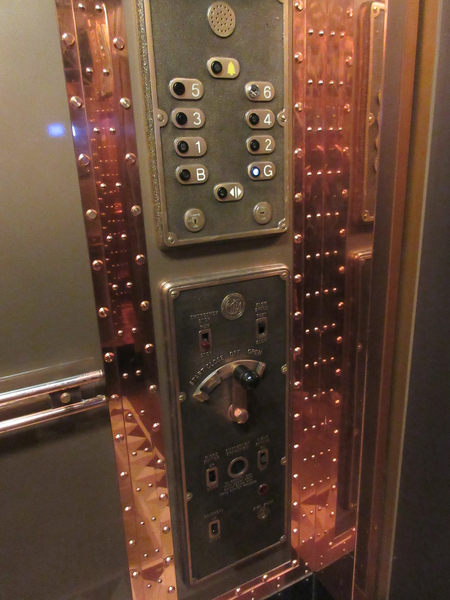
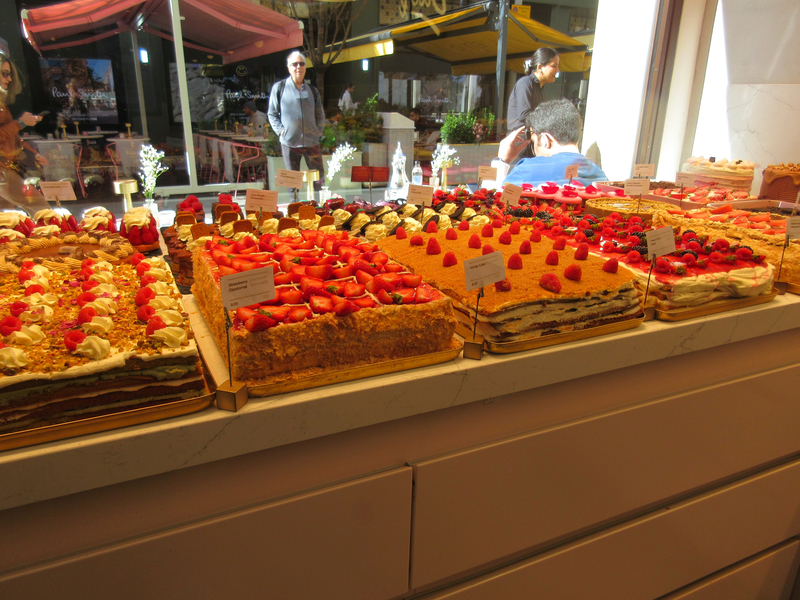
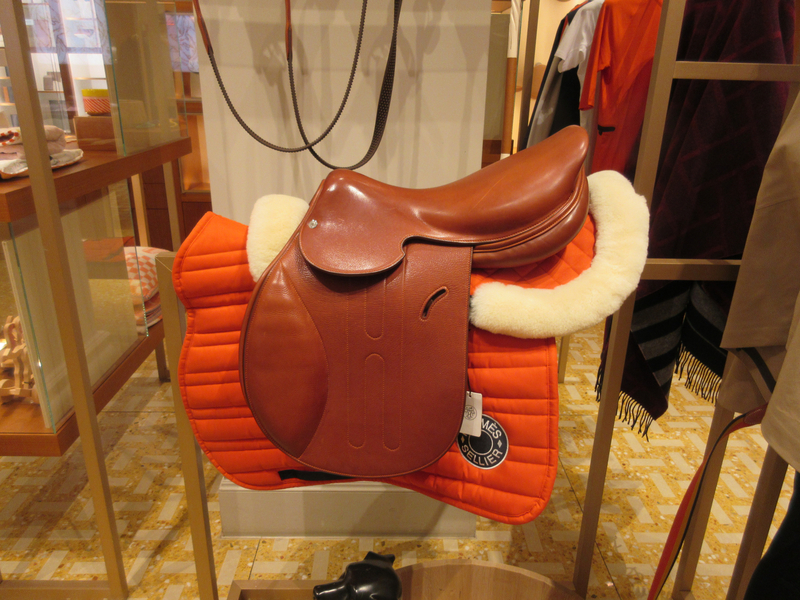
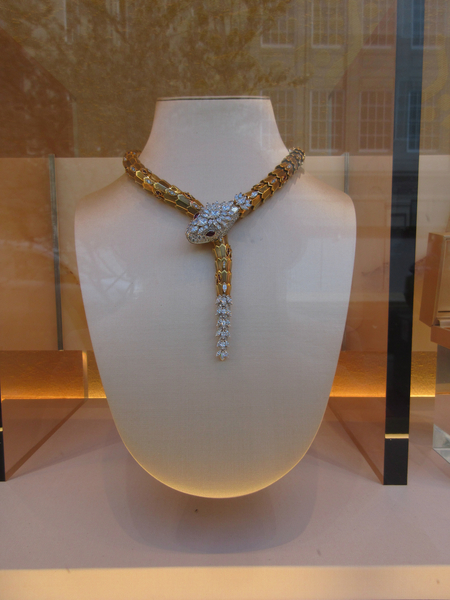
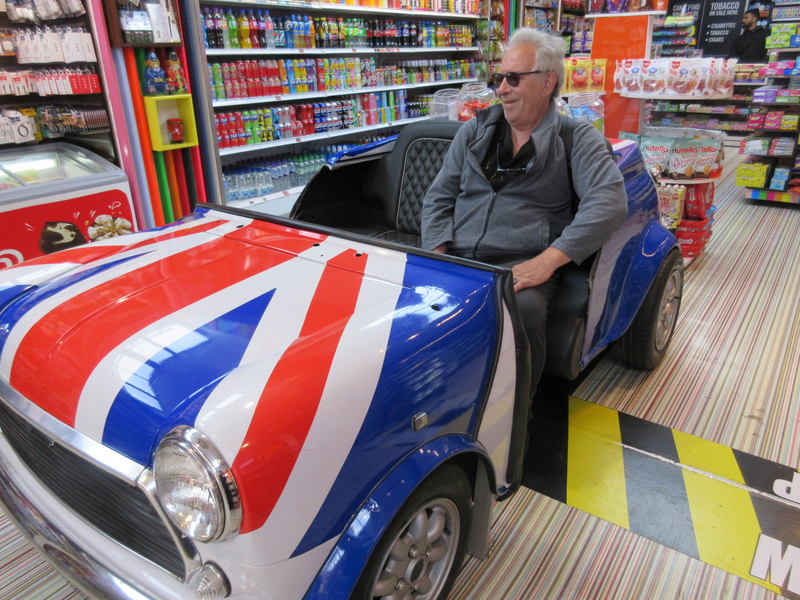
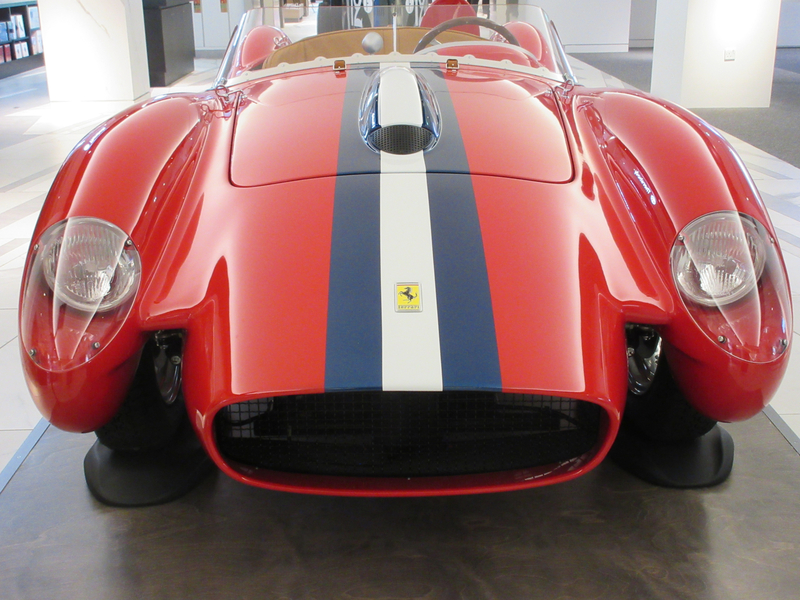
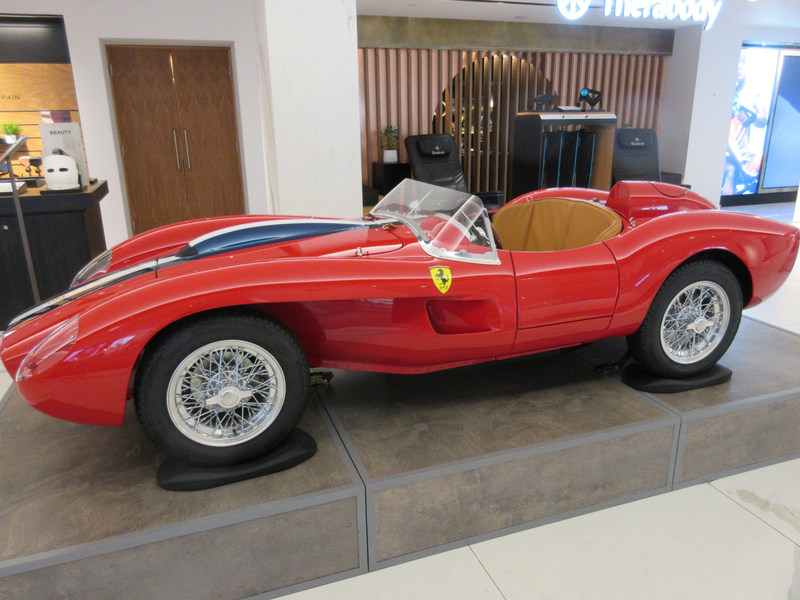
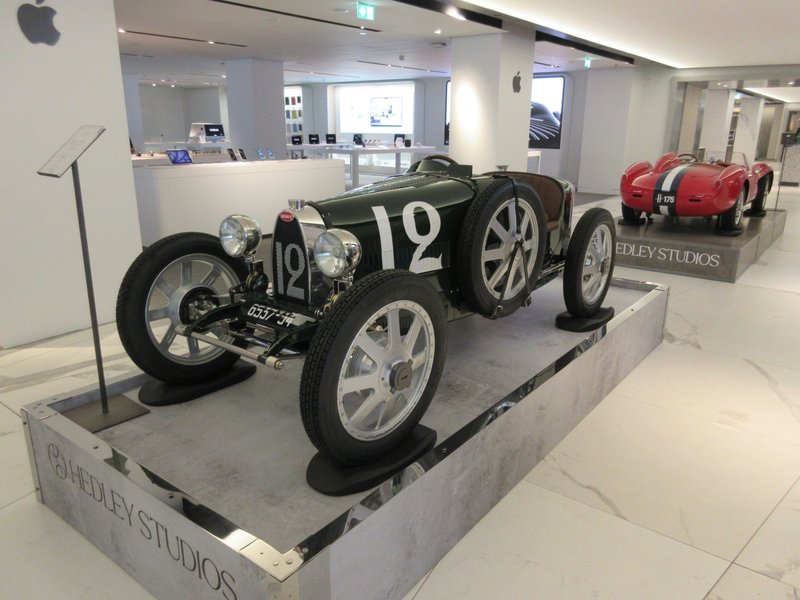
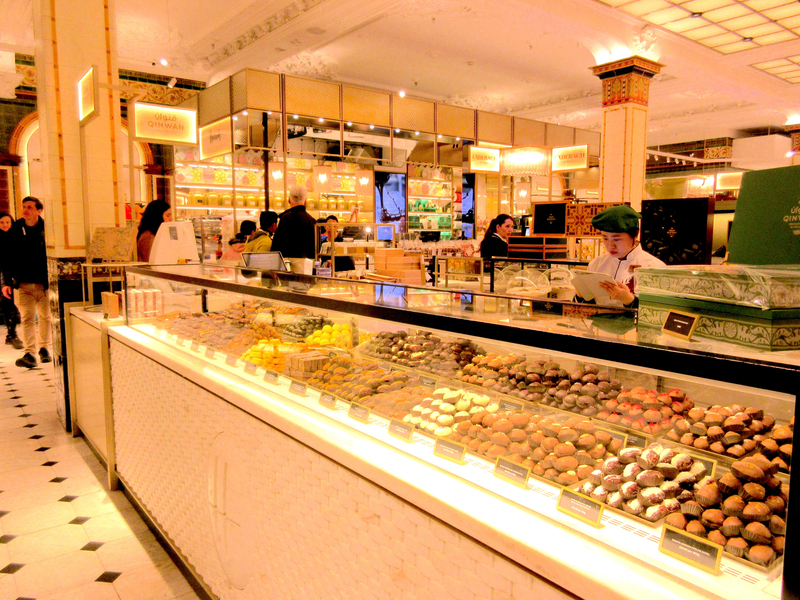
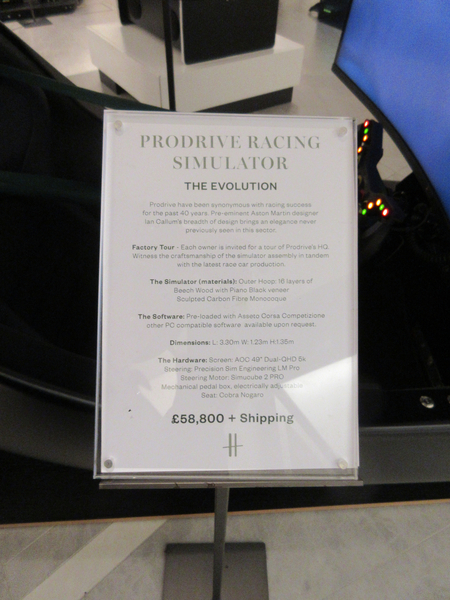
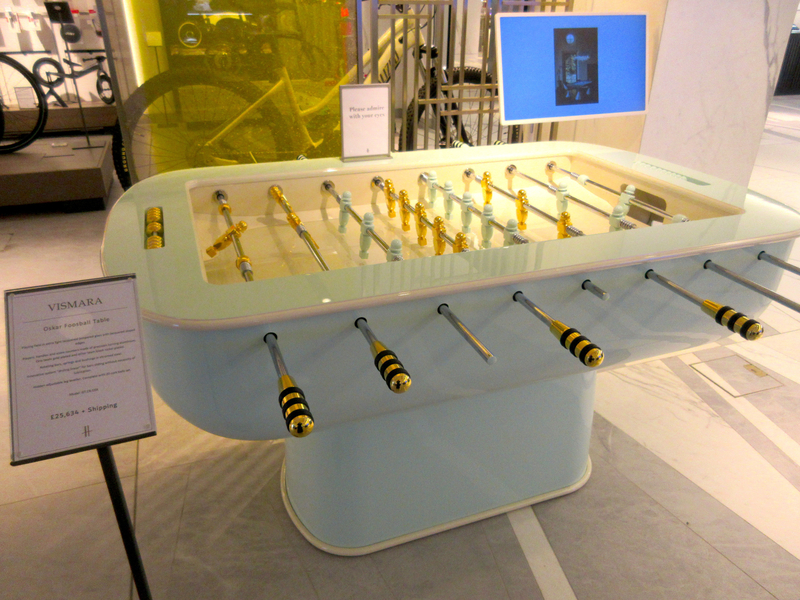
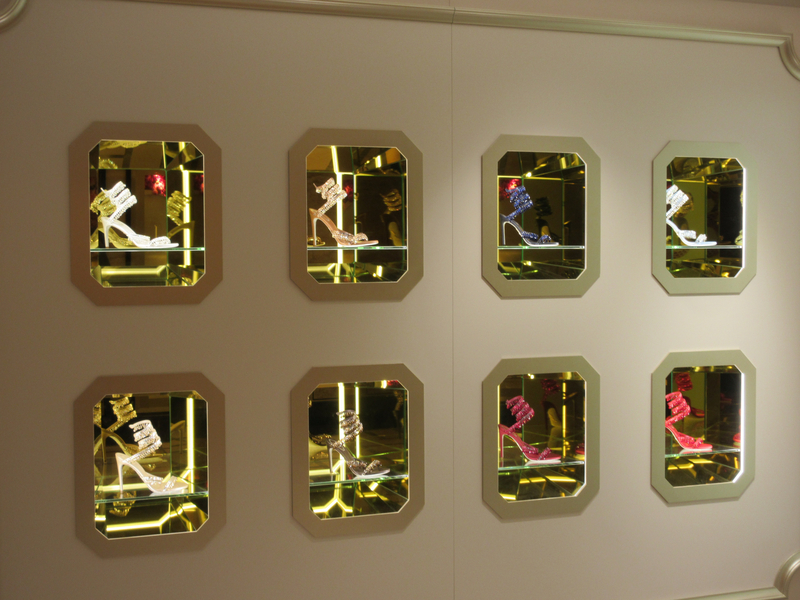
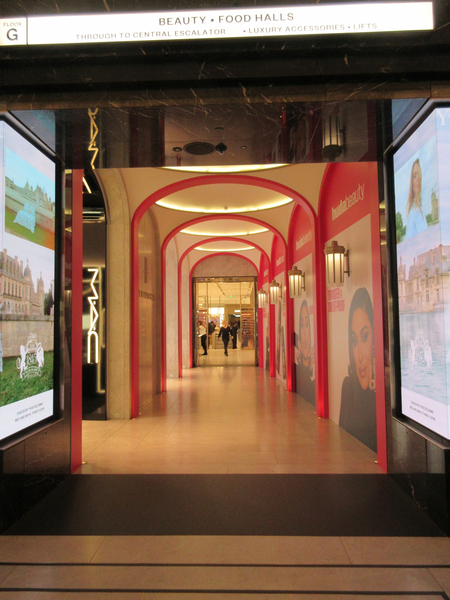
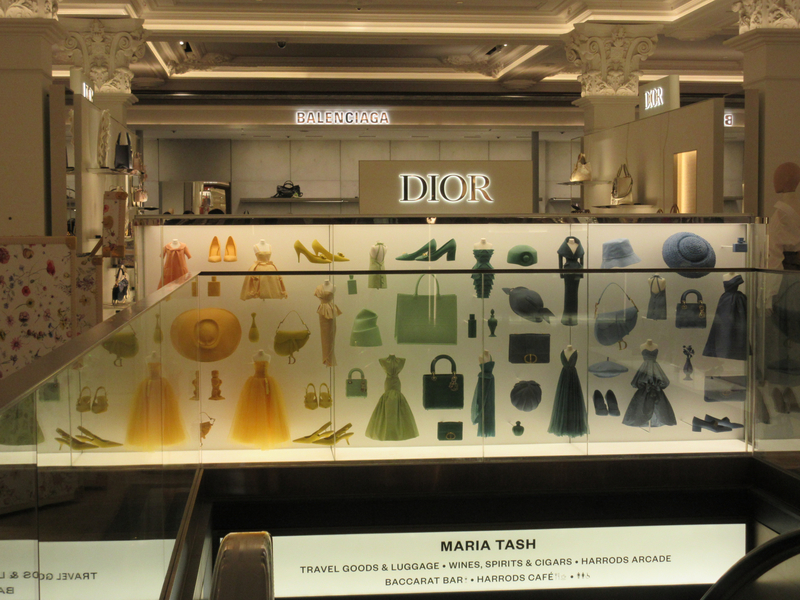
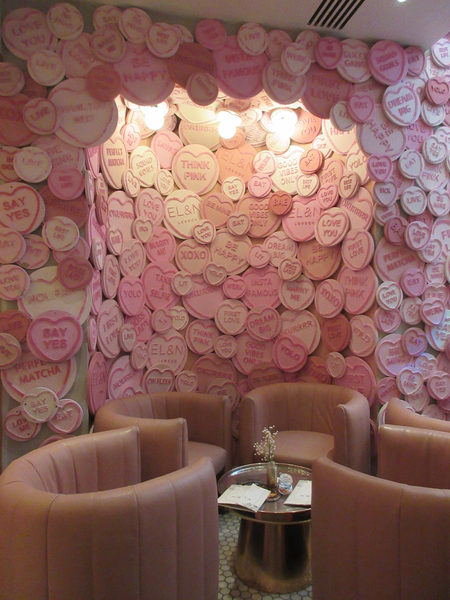
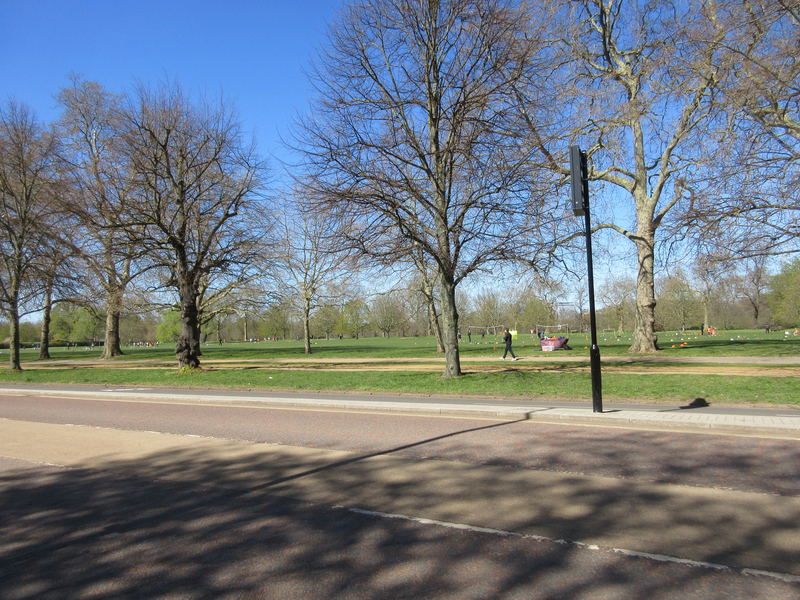
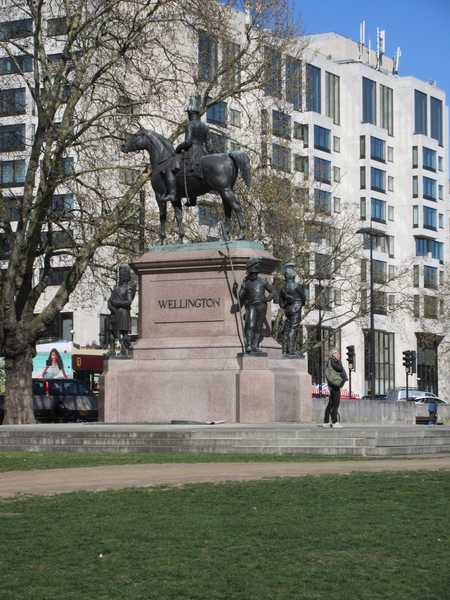
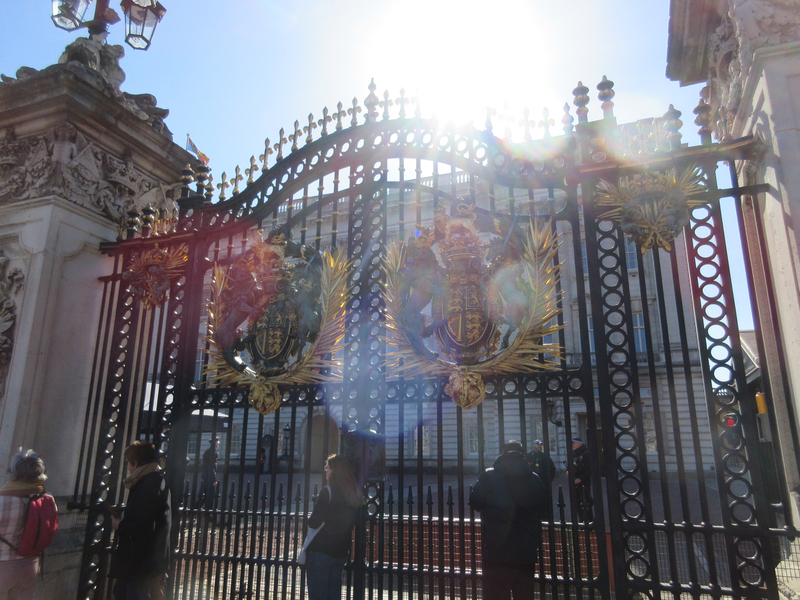
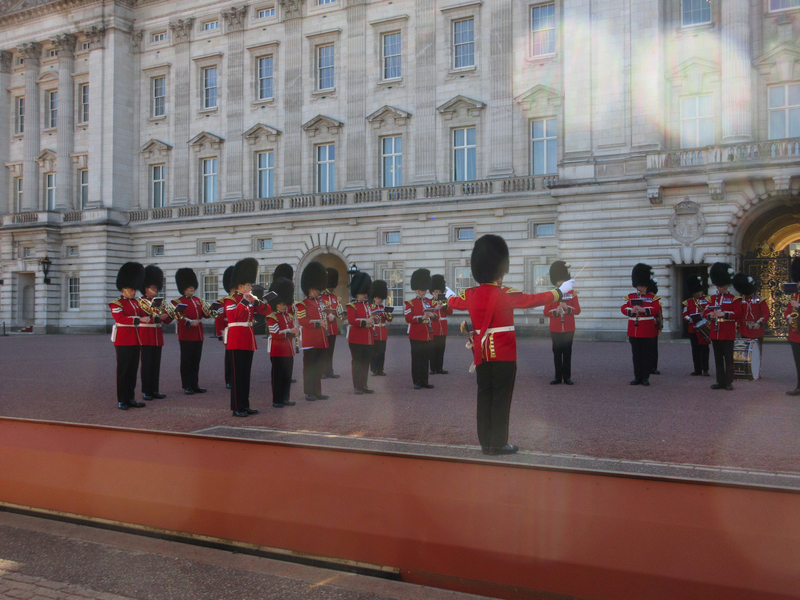
After this bedazzling display of capitalistic insanity we set out on a trip to nearby Hyde Park to let it all sink in , followed by a quick walk to Fortnum and Mason past Hyde Park Corner and then via a stroll down Constitution Hill to Buckingham Palace where we watched the Royal Guard’s Band perform Queen’s Bohemian Rhapsody in front of maybe 50,000 tourists from all over the world. And this was just early in April!!!
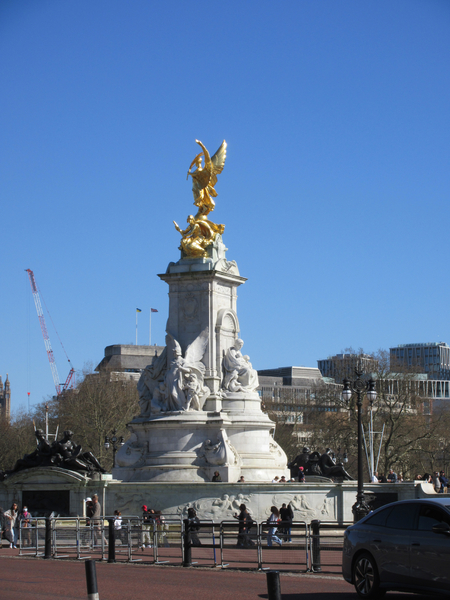
A short walk down the Mall to take some more pictures of important British Aristocratic statues, followed by a visit to the Buckingham Palace Gift Shop and from there a quick stop at famous British retailer Marks & Spencer, we wound our way back via Victoria to the Warwick neighborhood and hotel. Dinner choice was once again provided by the Marquis of Westminster neighborhood bar & restaurant. Our watch indicated an 18,000 plus step day and we were properly proud of ourselves as well as deeply tired to the bone.
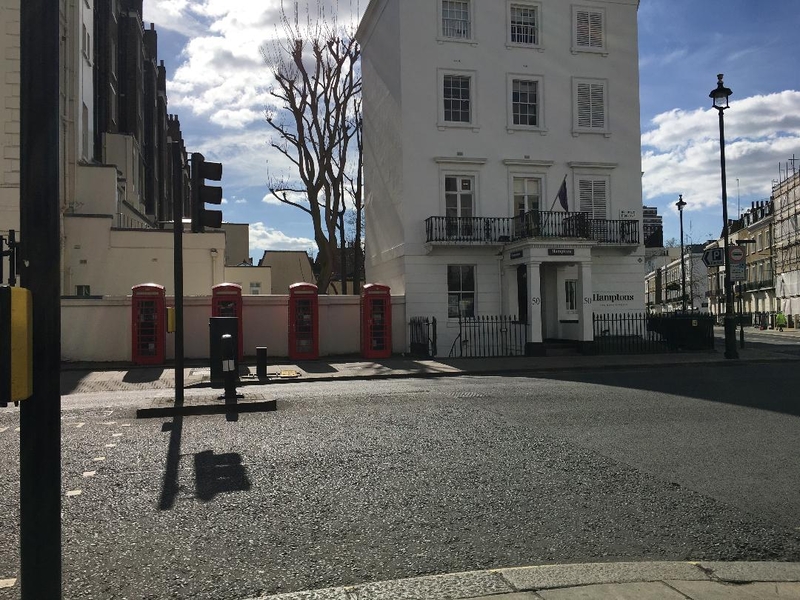
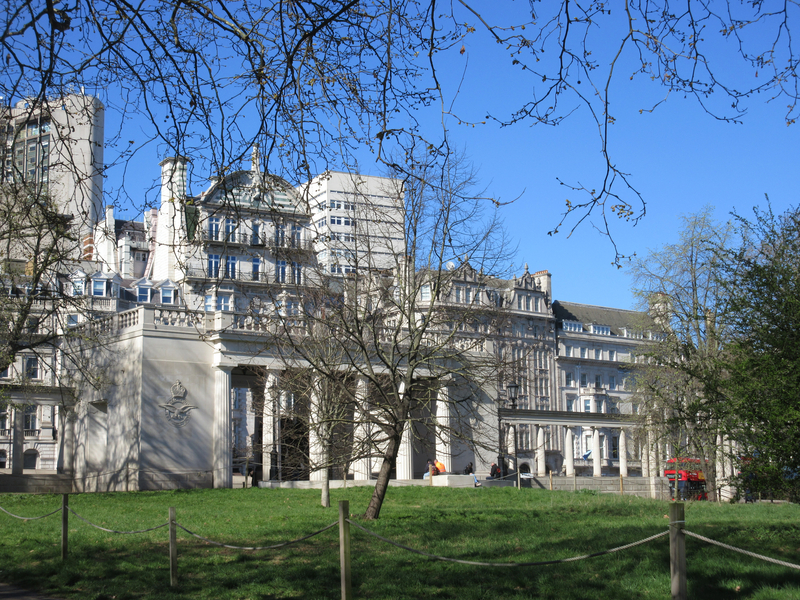
Our second day in London offered a wider visitor view of the city via a Hop On Hop Off bus tour, which also included a sail on the Thames River for past the Tower Bridge in the north to past the Vauxhall Bridge in the south. Usually we do a Hop On Hop Off Tour on our first day, so we can define which places to visit the next two or three days, but this time we figured the first day was for all attractions in the Westminster area. Of course a city like London has a least 5 or 6 different Hop On Hop Off offerings. Our selection stayed close to the Thames River, as we wanted to see the parts of London that defined the British Empire during its heyday, and that included Houses of Parliament, the Tower of London and the Tower Bridge with the Docks, Fleet Street, the London Stock Exchange, the Big Ben, Westminster Abbey, Trafalgar Square, Waterloo Square and all the institutions that once controlled more than one quart of all the world’s land.
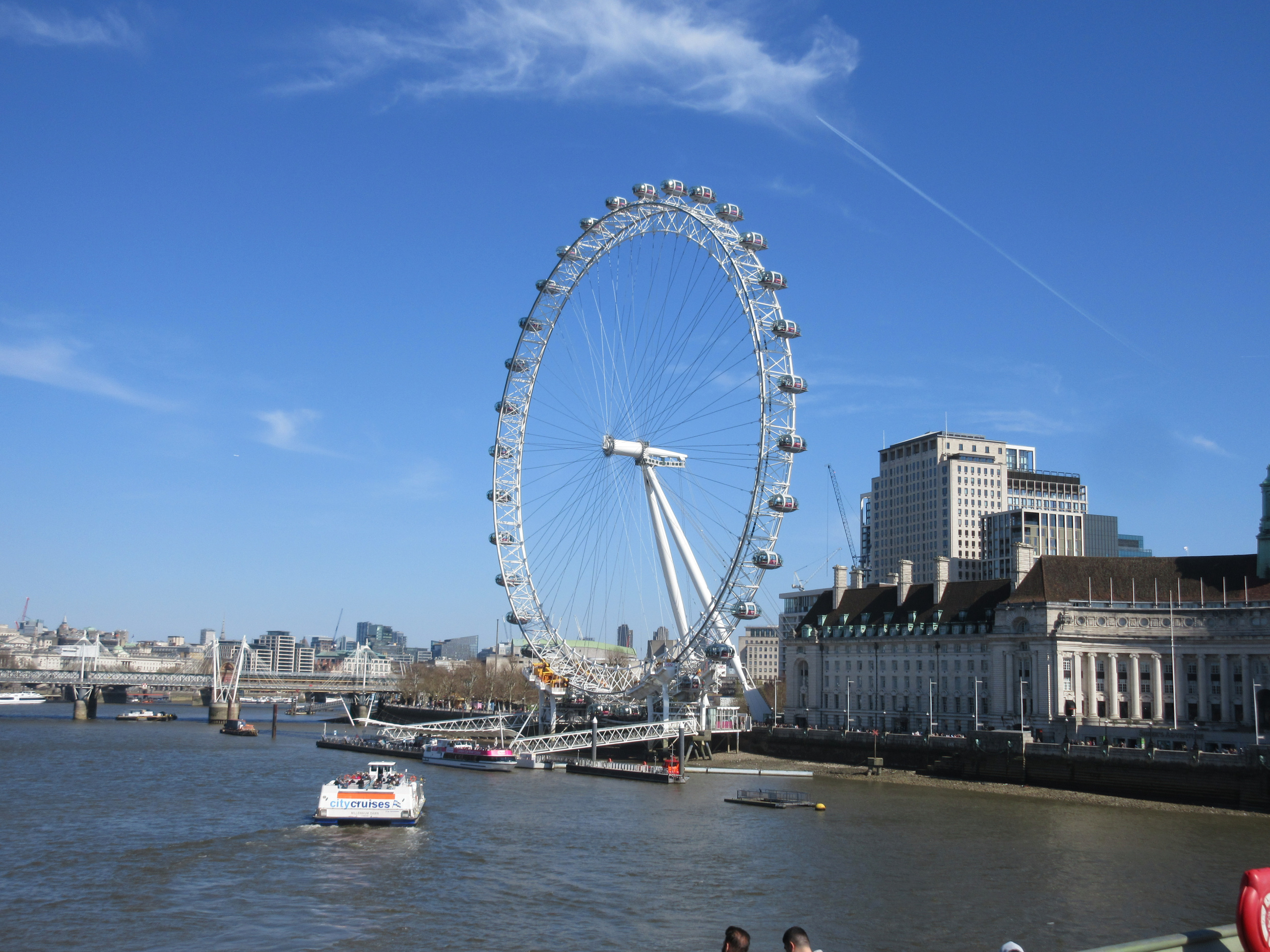 We picked up the Hop On at Victoria Station and were taken immediately across the Westminster Bridge for a closer look at the London Eye. Since it had only been there since the turn of the century, Han had not seen it either. The London Eye, originally the Millennium Wheel, is the world’s tallest cantilevered observation wheel, with more than three million visitors annually. The structure is 135 metres (443 ft) tall and the wheel has a diameter of 120 metres (394 ft). The Eye was the highest public viewing point in London until 2013, when it was surpassed by the 245-meter (804 ft) View from The Shard observation deck. The capsules are designed to move slowly with the wheel, completing one full rotation in about 30 minutes, which allows passengers to board and disembark without the wheel stopping. The 32 capsules not only serve a functional purpose but also symbolically represent each of London’s boroughs, making the ride both an engineering marvel and a cultural icon. There are 32 Capsules but none carries Number 13. Long live superstition. The Millennial Wheel moves in a continuum, traveling at a pace of 0.9km per hour, allowing passengers to board and hop off without the wheel ever needing to come to a complete stop.
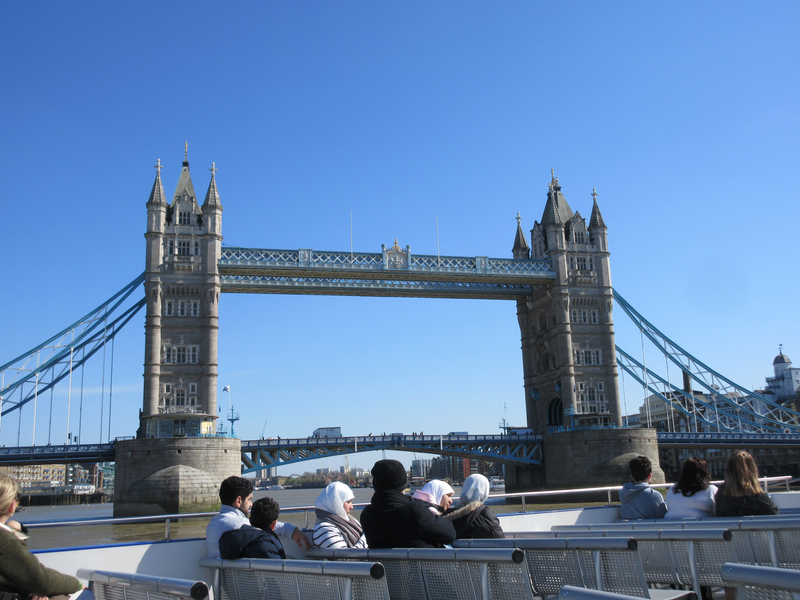
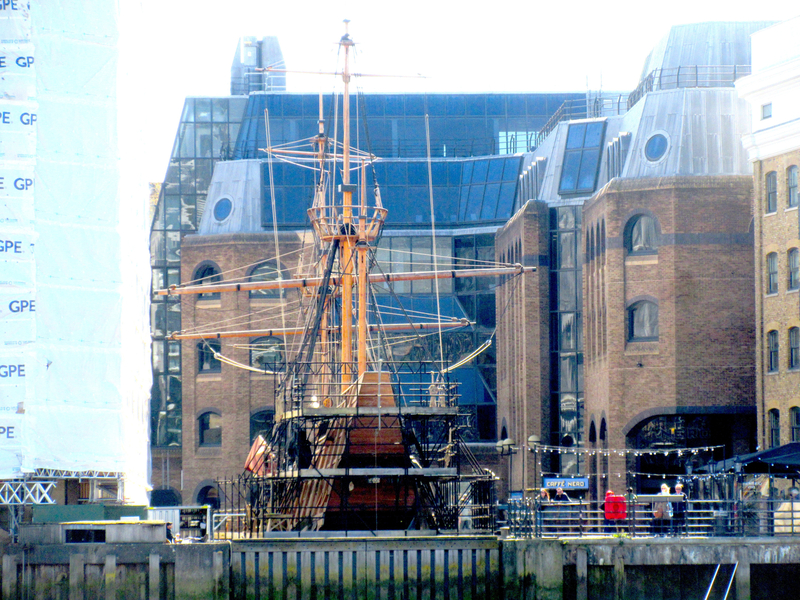
On our continuing trip on the Southside of the river, it became clear that most of the important developments in London over the past 50 years have been south of the City of London and the Thames River. As the bus crawls eastward past the London Bridge to the Tower Bridge, we witness the enormous traffic congestion causing frequent long stops. Finally we make it to the Tower Bridge which we take to the Tower of London on the northern river embankment. Behind the Tower hotel are the famous St.Katherine’s Docks where in historic times clipper ships like the Cutty Shark and Thermopylae found their anchorage after completing heated tea races from China in the 1800s.
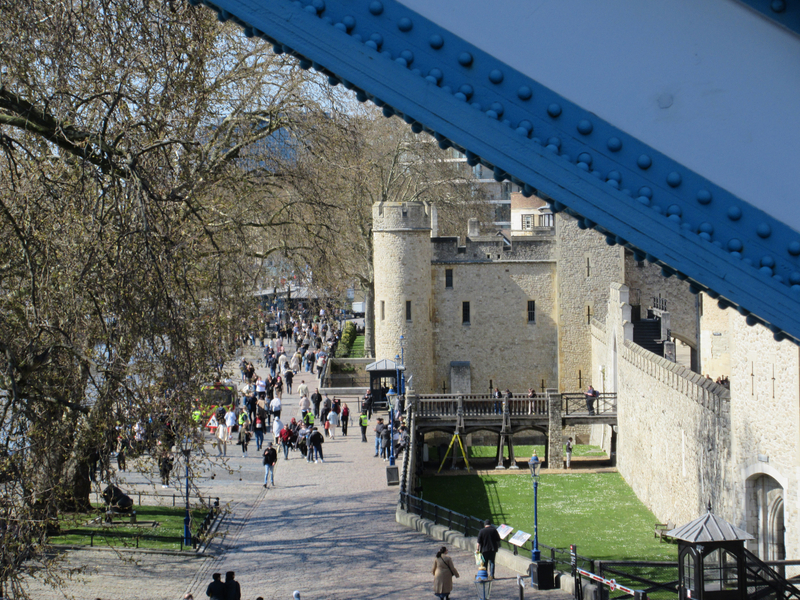
At the Tower of London stop we get off the bus for a drink and a short walk to the river cruise boats, while London’s music scene awakes on the squares. London has a vibrant busking scene, with talented musicians performing in iconic, high-traffic areas like here near the Tower Bridge Piazza and the Royal Menagerie. while we enjoy the music, we’ll watch the Tower’s Royal Mint entrance with the Traitor’s Gate behind it and reminisce about the bygone eras of Victorian and Elizabethan conquering.
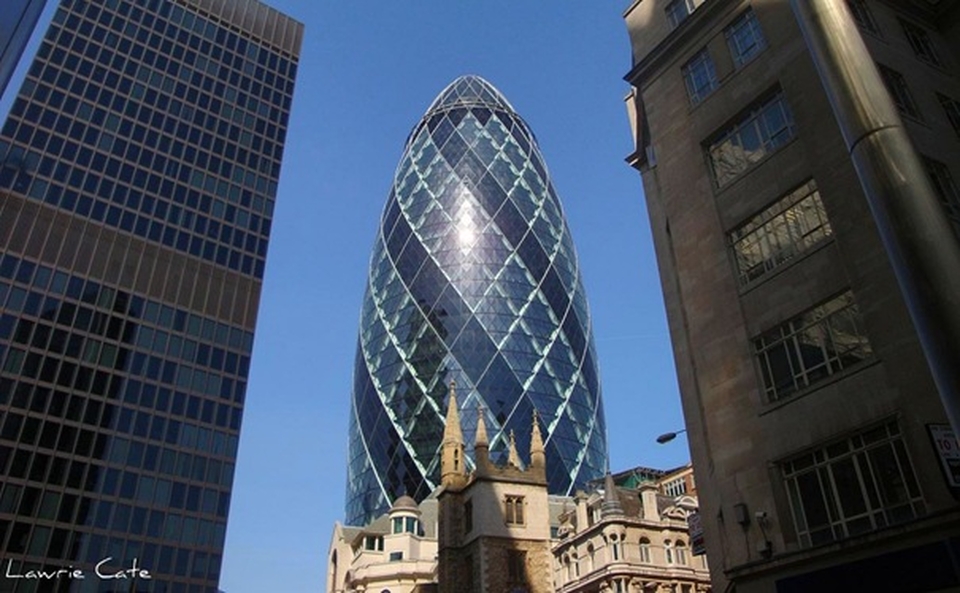
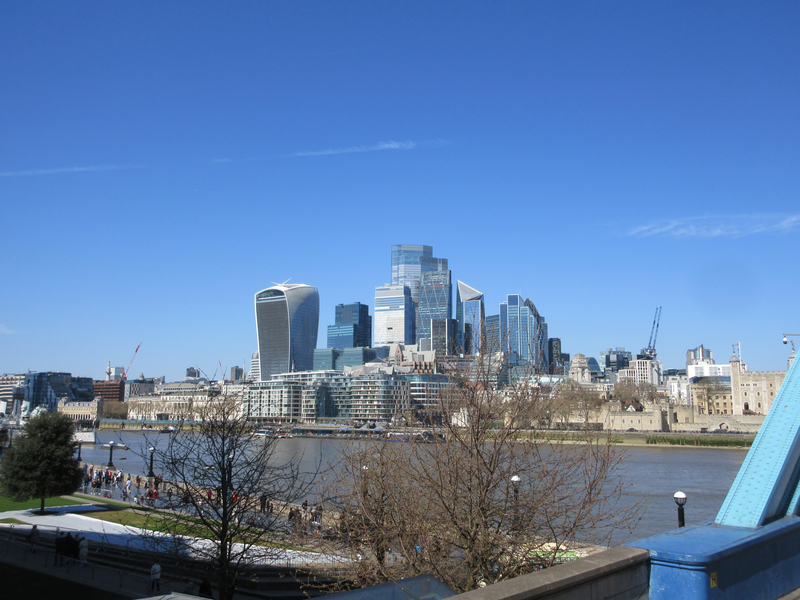
Then it’s time to go aboard the river sightseeing boat and yes, it’s a must do tour to see London from the water. A completely different perspective, one not filled with thousands of tourists. You see the architectural wonders of the Gherkin office building in the financial district that keeps on showing up in pictures and the Shard Building which offers the highest viewing/photo platform in London these days. You learn the history of the many bridges over the Thames, the Monument of the great London Fire and so much more. And then of course you’ll get an unobstructed view of the Houses of Parliament as well. We decided to take both legs of the water sightseeing tour which got us back to the Tower of London area for continuation by Hop On Hop Off bus. we completed the loop which slowly took us down to the Victoria Station by the end of the day.
The sun had been setting on the British Empire for a while now, but it was still impressive to witness what it once was.
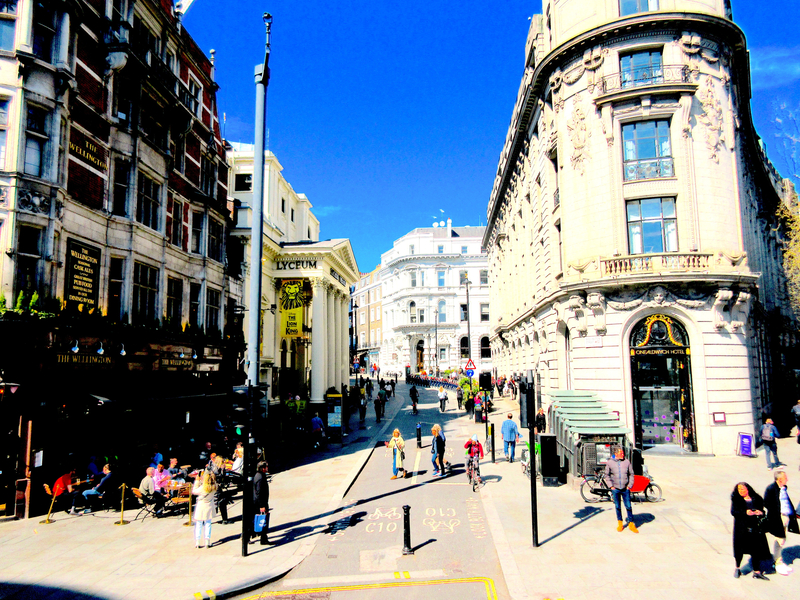
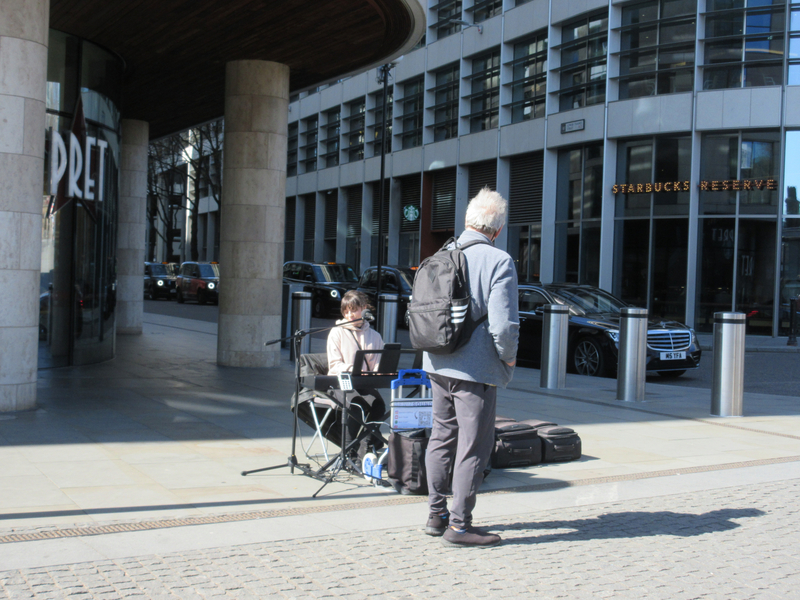
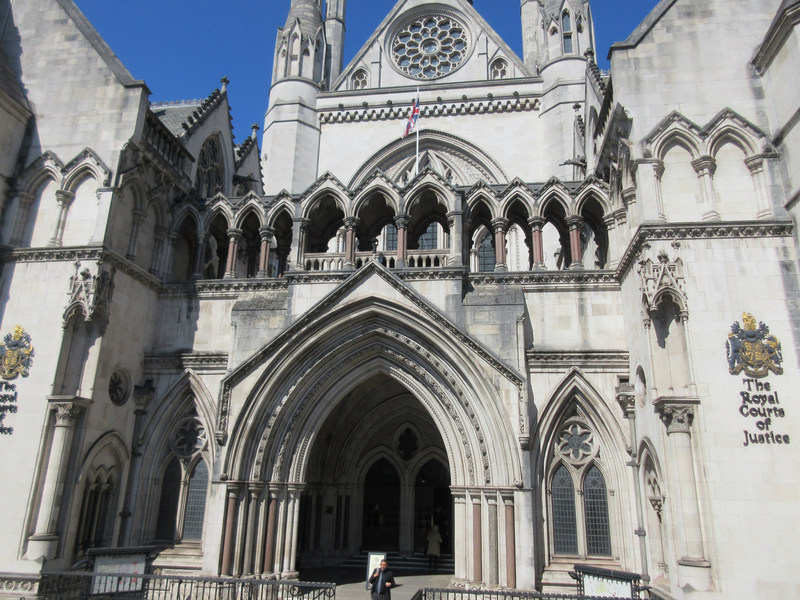
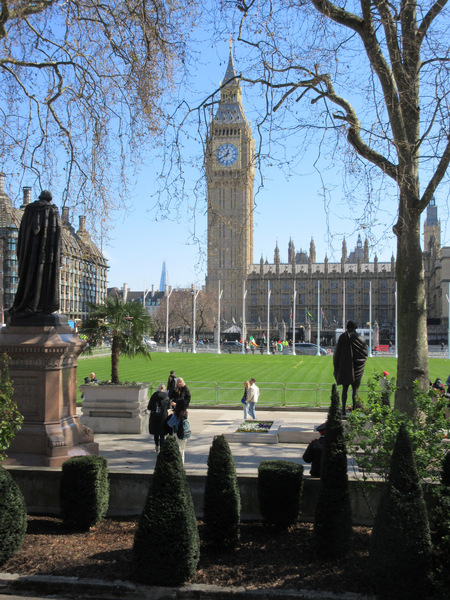
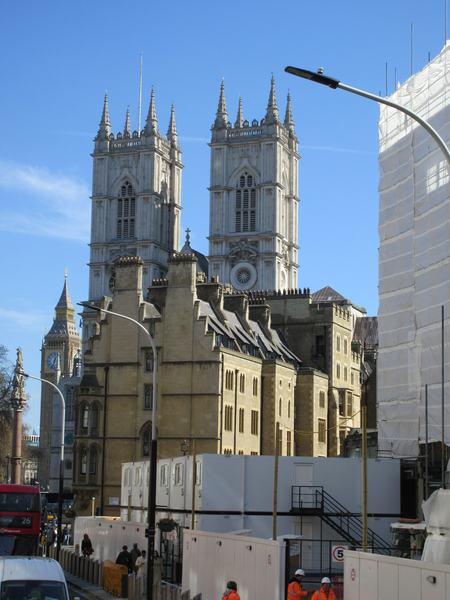
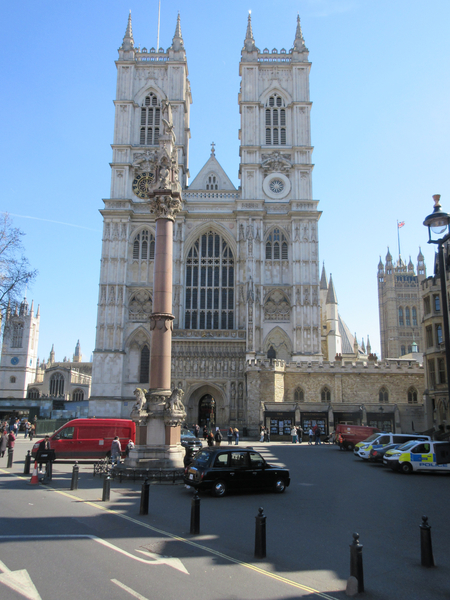
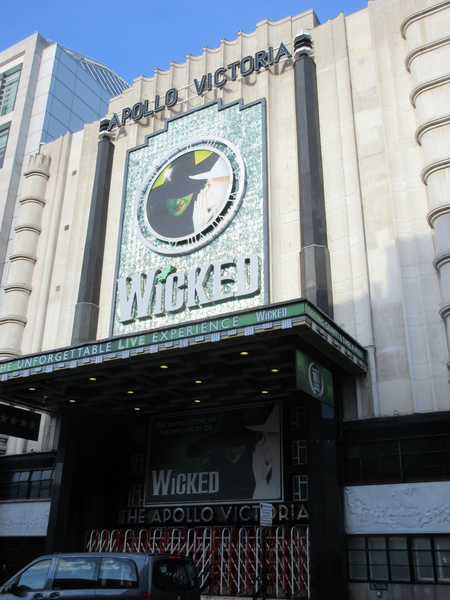
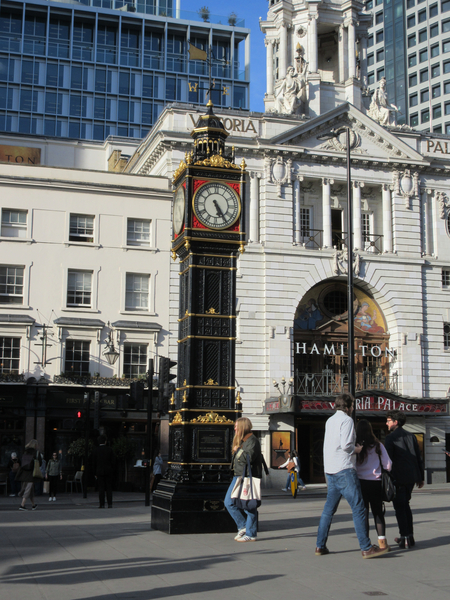
A quick walk down the Westminster street scenes took us back to the hotel where we started packing for our next day departure by bus to Stansted Airport 31 miles to the north of the city from where Ryanair would fly us to Eindhoven in the Netherlands for our last 10 days of family visits and a trip to the Tulip Festival at the Keukenhof near Amsterdam.
In two full days of London, we did exactly what we had set out to do: see a number of the historic sites and walk the inner city for some local flavor. London is witness of the British former empire, in statues and a multi national diverse population. This is not so much apparent in places like Devon, Cornwall or the Lake District. But it definitely shows in the big cities. We will be back for more later.
TJ’s assessment of the last morning in London:
Today, you ask?
Finished packing, coffee on front stoop of flat, carry five pieces of luggage up the stairs, no lift, walk to the bus station lugging all the crap, hop on bus, two hours to airport, both of us pulled aside (and our carry-ons) by security, got felt up a little
, walked for miles it seemed, then walked some more to the plane waiting on tarmac, waited quite some time, watched our luggage being removed, plane canceled, got on bus, went to another plane, finally took off, arrived safely (most importantly), checked into Eindhoven hotel for the night and now laying in bed being a slug.
We also grabbed some lunch in-between to keep our strength up.
Just another gypsy kinda day.


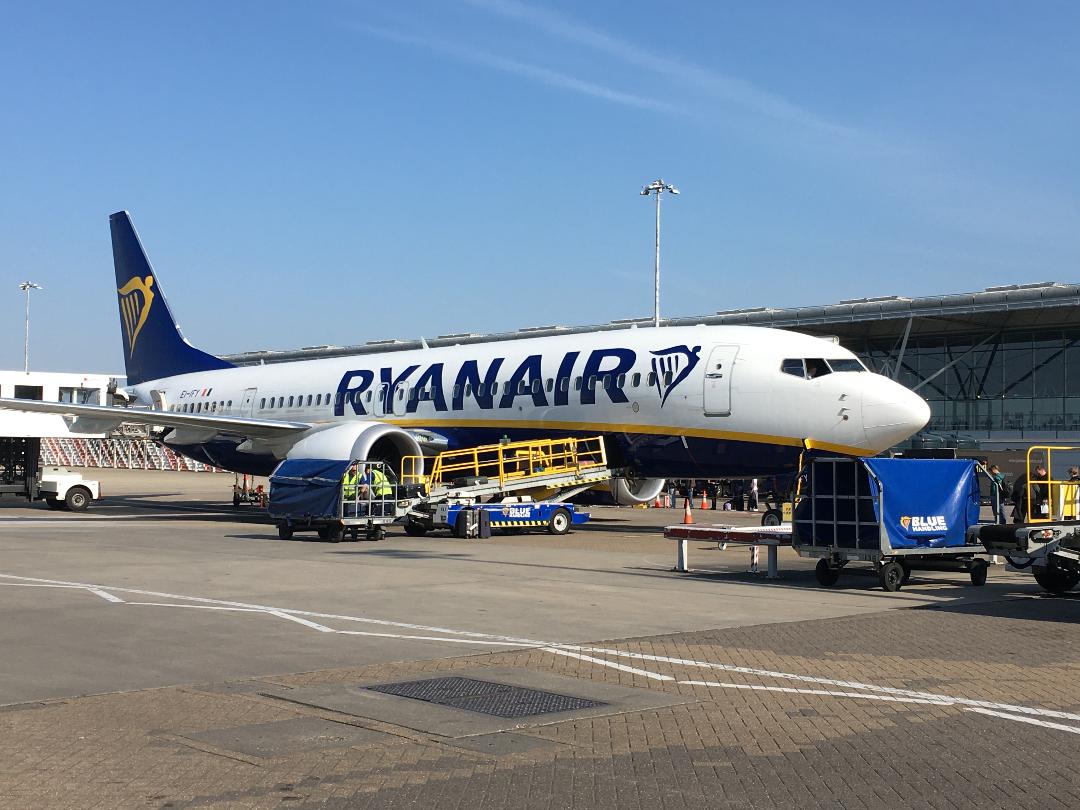
Ryan Air playing tricks on us

Recent Comments