
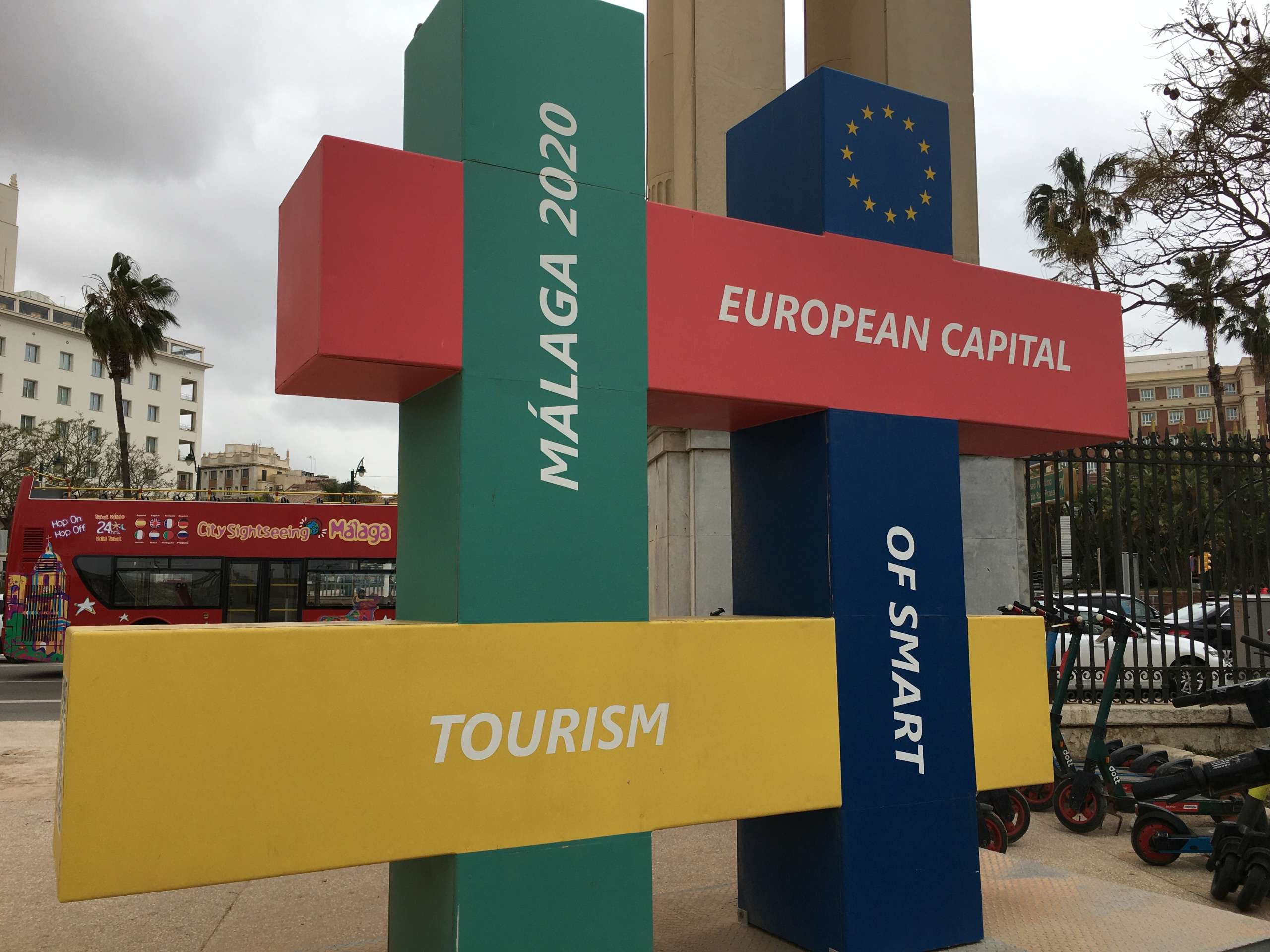
 The next port of call Málaga, had been on the menu for several days and finally the weather allowed us to anchor in the cruise port. It was still mostly overcast, but a visit to this summer tourist jewel is a must for its renaissance architecture, magnificent food culture, waterfront avenues and close proximity to the City of Granada and the world-famous Moorish Castle “The Alhambra”.
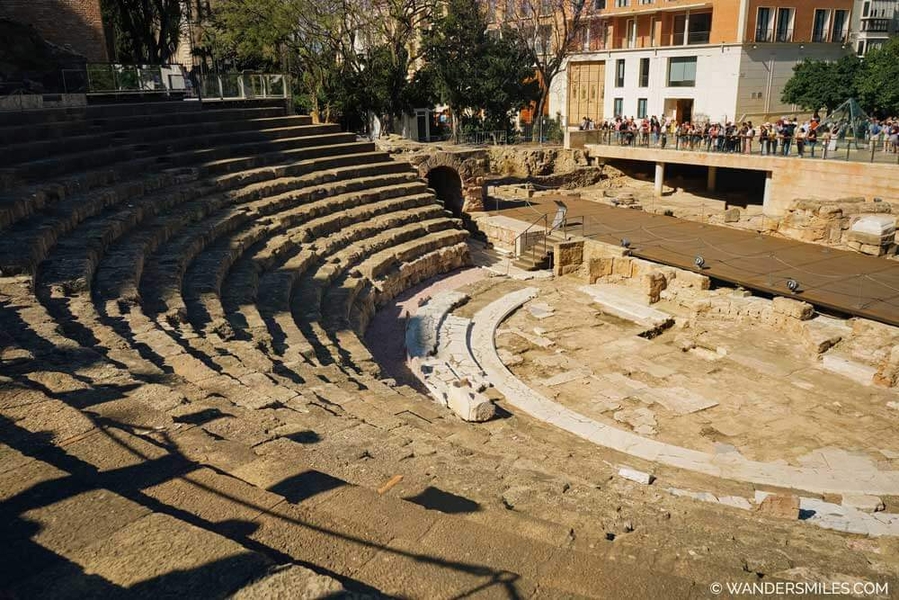
Just like Cadiz, Málaga was founded by the Phoenicians around 800 BC and later shaped by the Romans, who built the amphi-theatre that still stands today. The Moors arrived in the 8th century, leaving behind the Alcazaba fortress and Gibralfaro Castle that dominate the skyline. After the Christian Reconquest in 1487, grand churches and plazas were built.
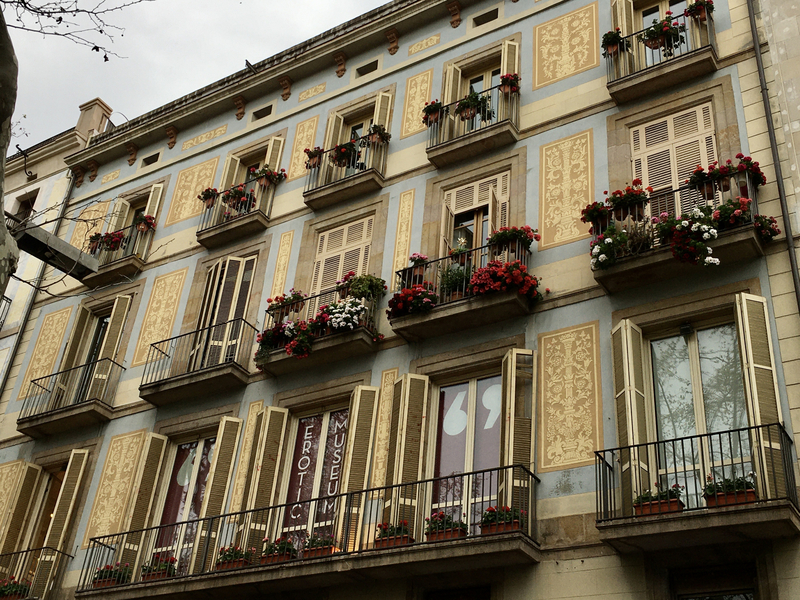
Málaga’s history is evident throughout its streets, from ancient ruins to Moorish arches and Renaissance facades, there is over 2,800 years of fascinating settlement stories waiting to be explored. Just as most port cities, there is an air of acceptance and tolerance, created by centuries of exposure to human interactions.
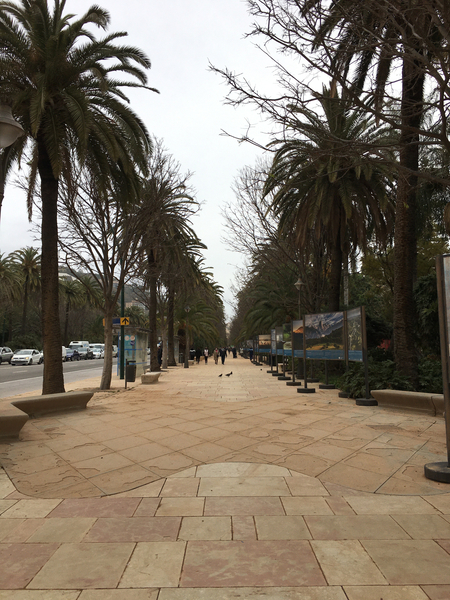
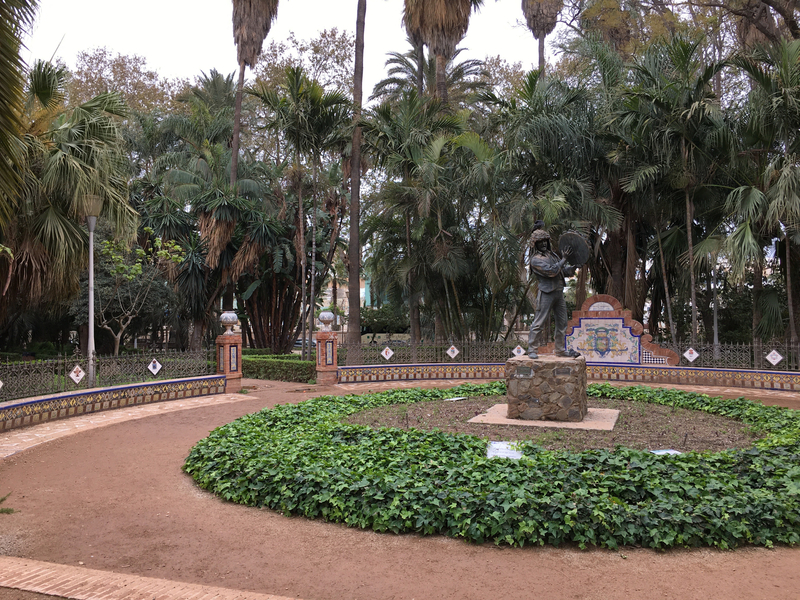
It is the sixth-largest city in Spain and yet it doesn’t feel huge. One of the many pluses of Malaga is that you can explore most of its highlights on foot. Málaga Park, also known as Paseo del Parque, is the city’s green oasis and considered one of the most important subtropical gardens in Europe. Built in the late 19th century on land reclaimed from the sea, it was part of a project to expand the port. Planting began in 1899, and today the park covers 30,000 square metres with more than 350 plant species from five continents, from Mexican fan palms and Madagascan screwpines to Australian ficus trees. There is information on the flora for the green-fingered visitors!
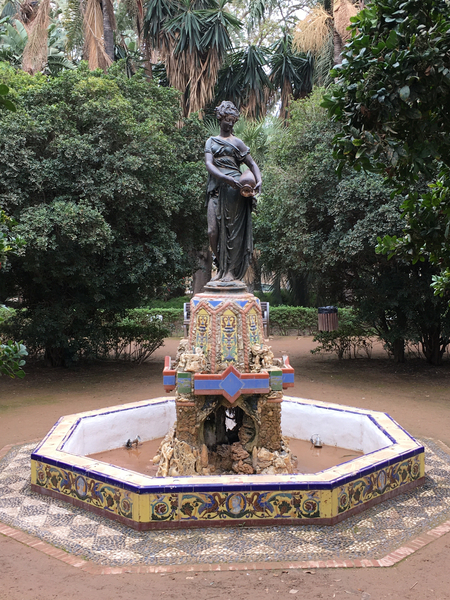
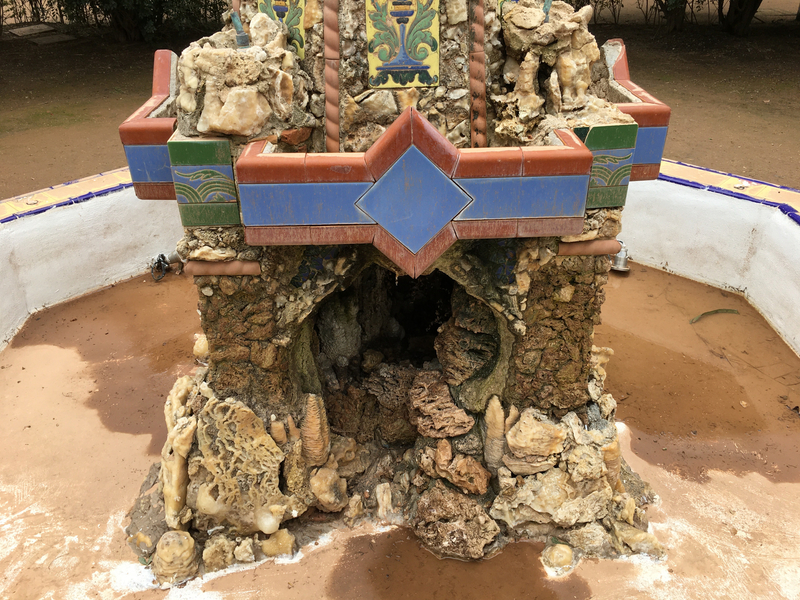
The park isn’t just about nature. Scattered among its shaded paths are 19th-century fountains, sculptures, and monuments, like the Fountain of the Three Graces and the Nymph with a Seashell.
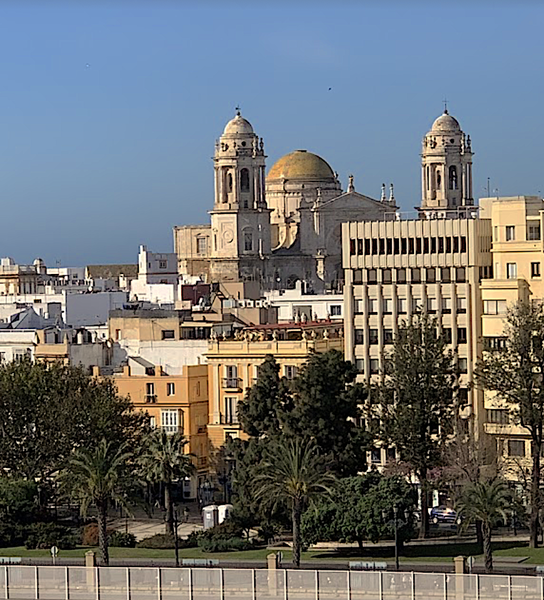
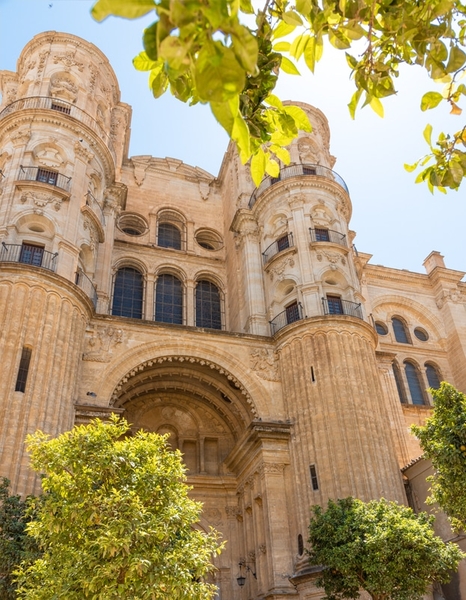
A short walk will bring you to some of the city’s most iconic landmarks including The Cathedral of Malaga (La Manquita or the One Armed Lady), Picasso Museum, Carmen Thyssen Museum and Alcazaba – an ancient Moorish fortress overlooking the city from . For art enthusiasts, nearby Soho district offers numerous contemporary art galleries as well as vibrant murals decorating its streets.
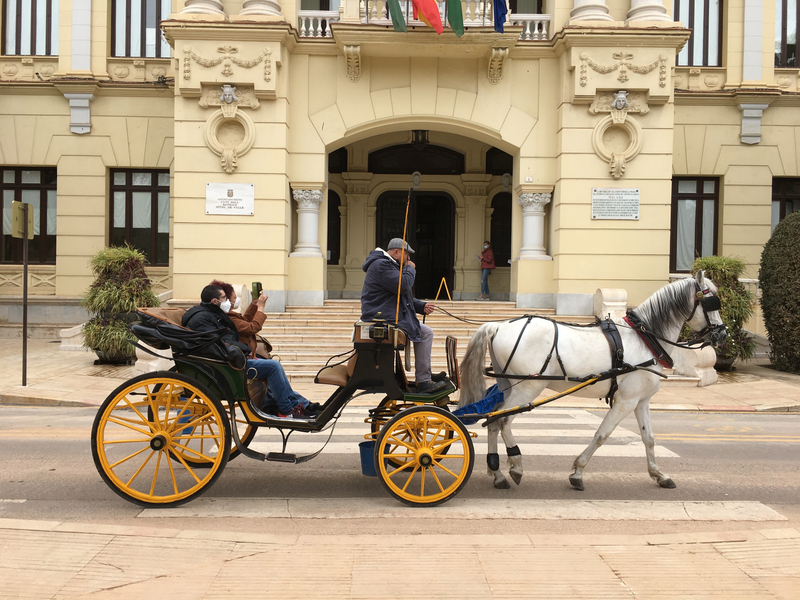
Knowing that all this is within walking distance, once again we bypassed buying a ship’s tour – the main one to the Alhambra in Granada would take more than 1 1/2 hrs each way by bus, train or car. So we decided to walk the city’s landmarks at our own pace and try some local food and a sidewalk café stop.
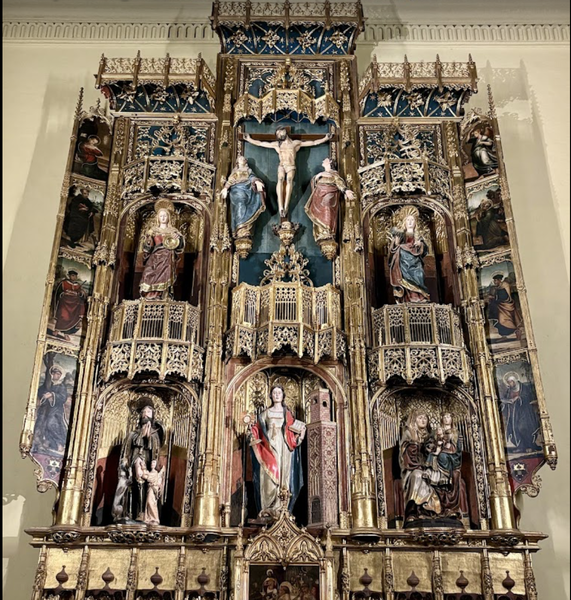
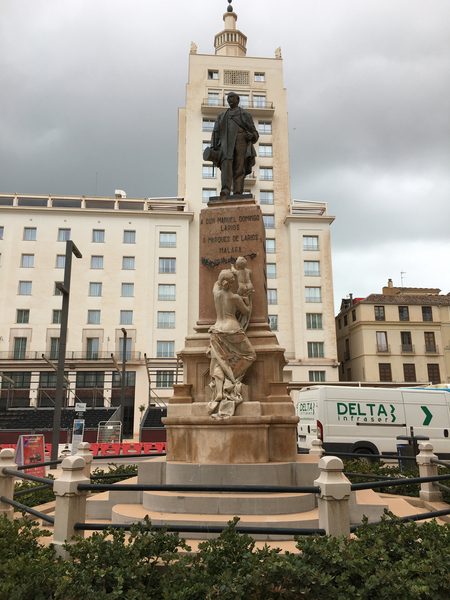
We boarded the Princess drop off bus from the cruise port, that took us to the Plaza de la Marina and from there we walked the Alameda Principal east and admired its pocket parks. Soon the Cathedral becomes visible and we took a left into town. After visiting the Catedral we walked back to the Alameda and went westward this time, to hook up with Malaga’s main shopping thorough fare Calle Larios which connects de Plaza de la Constitution, a historic square dating back to 15th century with the Parque de Malaga on the Alameda Principal and the city port.
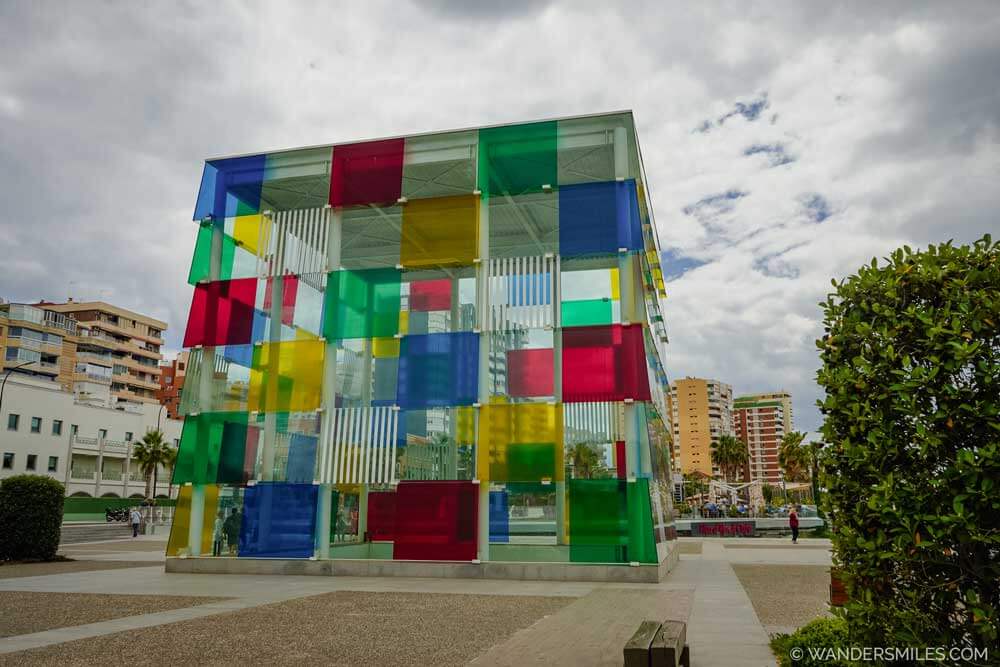
The Centre Pompidou in Málaga
Never too far away from the cruise port, we got a beautiful impression of this fascinating city on the Costa del Sol. Set in Malaga’s modern port area, Muelle Uno, the Centre Pompidou is instantly recognisable by its colorful glass cube entrance. El Cubo was designed by French artist Daniel Buren, and when you step inside, you’ll see how his clever design changes as the sunlight filters through the panels, casting vibrant colours across the space.
A one day visit to any of these Port of Calls, means you have to make choices: what to see and what to do. We did not have the time to visit what’s a bitter further away from the city center. Such as The Alcazaba of Malaga, which sits on the slopes of Mount Gibralfaro. The site was first occupied by the Phoenicians around 600 BC and later by the Romans. In the 8th century, it became a military fortress under Islamic rule, with later rulers expanding it into a palace.
Highlights include the Tower of Homage, the Plaza de Armas with its gardens, the Nasrid Palace with spacious courtyards. The Taifa Palace, has Moorish horseshoe arches with intricate stucco carvings that lead to open balconies overlooking the city, mountains, and port.
Above it is Gibralfaro Castle, added in the 14th century to protect the Alcazaba and linked to it by the fortified walkway known as the Coracha. If this excursion would be your choice than by all means climb up to the castle and you’ll be rewarded with some of the best views in Malaga, stretching from the harbor to the mountains.



Recent Comments